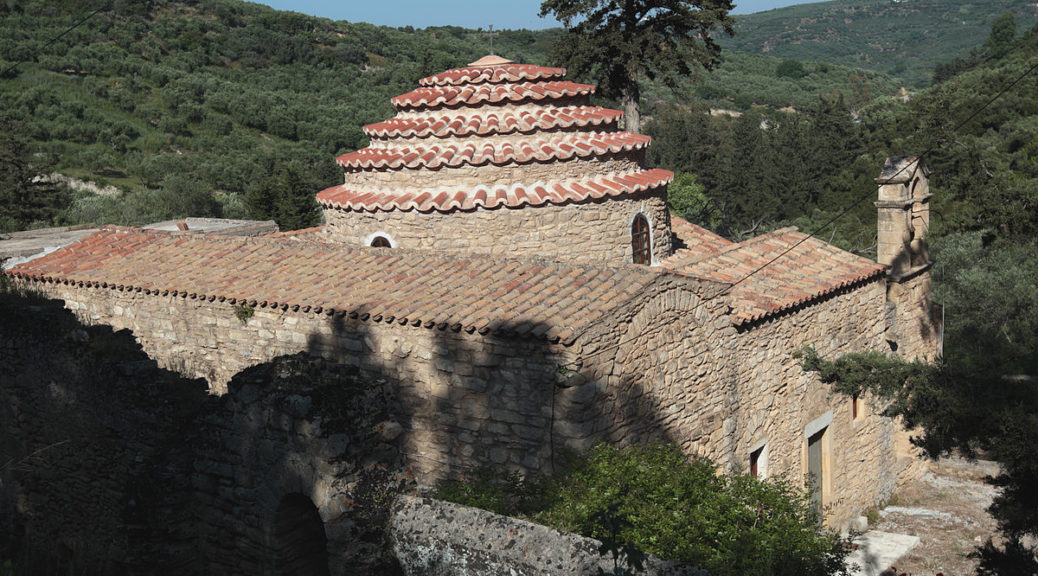
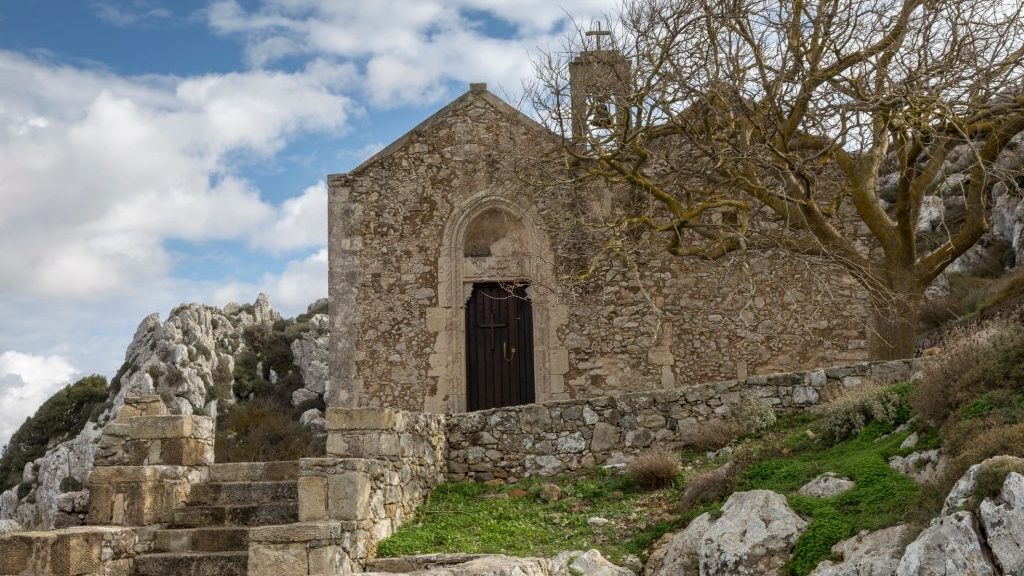
De kerk van Agios Titos werd oorspronkelijk gebouwd na de bevrijding van Kreta door Nikiforos Fokas in 961 AD. Tijdens de Venetiaanse periode werd ze omgebouwd tot een katholieke kerk, maar ze verloor haar Byzantijnse karakter niet.
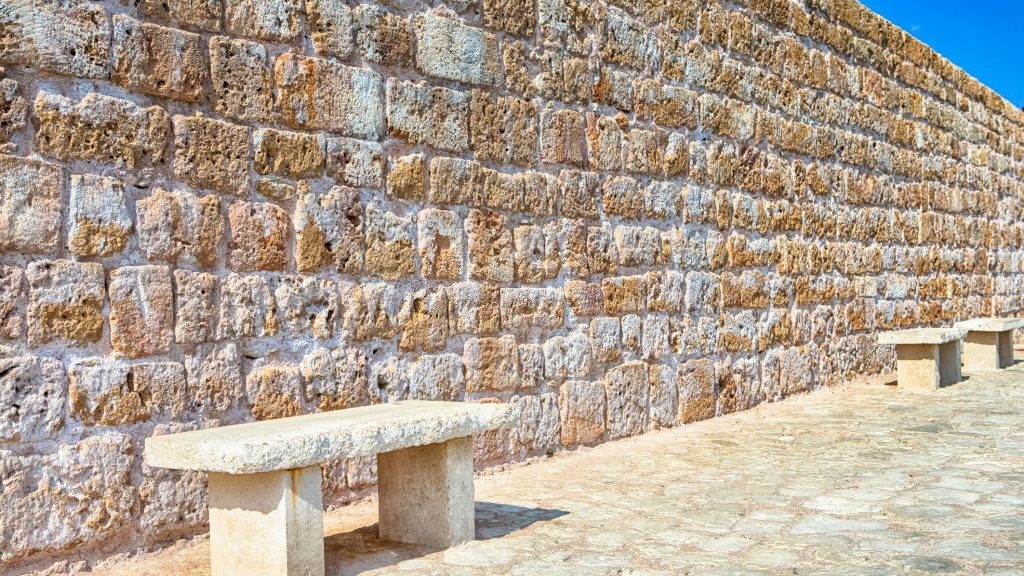
Already from the years of the First Byzantine Period (330-840 AD), the city of Heraklion had fortifications which were completed by both the Arab conquerors (840-961 AD) and the Byzantines (961-1204 AD) as well as by the Venetians after 1211 AD. However, the emerging threat of the Turks forced Venice to fortify the capital of Regno di Candia in the most modern and effective way at the time. The form of fortifications we see today is based on drawings by…
Lees Meer Lees Meer
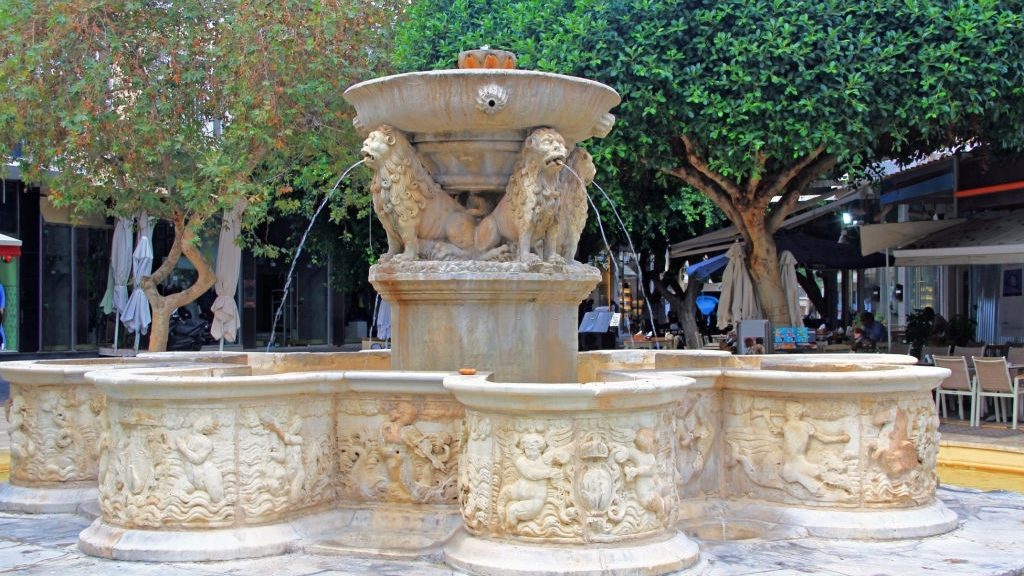
One of the most brilliant monuments of the city of Heraklion is the Fountain of Morosini or the “Lions“, as the residents of Heraklion call it.
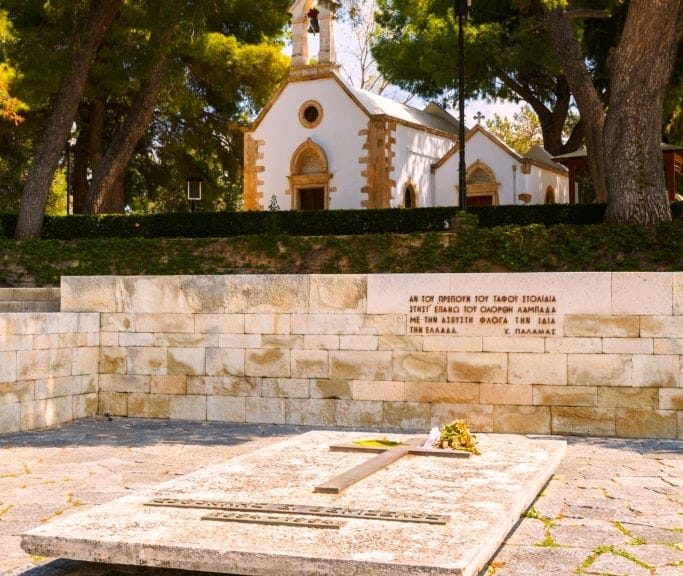
On the road towards Akrotiri peninsula, in a location with a unique panoramic view, are the tombs of Eleftherios and his son Sophocles Venizelos. Eleftherios Venizelos, Prime Minister of the Cretan State and later seven times of Greece, and Sophocles’, his second son who was also the Prime Minister of the country between 1943 and 1952, are buried in the park.
Bij de ingang van de grote baai van Souda liggen twee kleine eilanden, die de bewegingen van schepen van en naar de grote natuurlijke haven controleerden. Op het grootste van de twee eilanden besloten de Venetianen een sterk fort te bouwen om de golf te beschermen tegen vijandelijke en piratenschepen.
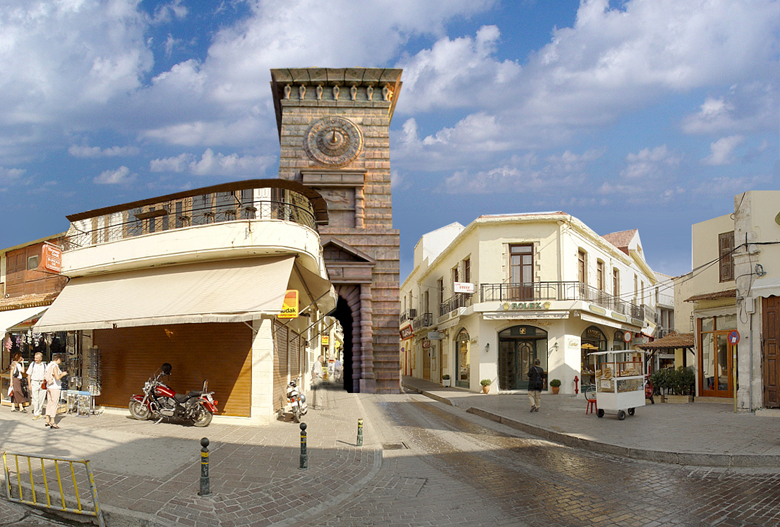
De beroemde klokkentoren van Rethymno is een van de beroemdste monumenten van Rethymno, maar er zit een addertje onder het gras. Hij bestaat niet meer! Het enige teken van zijn bestaan is een deel van de deur dat in een winkel in de Arkadiou Straat is ingebouwd.
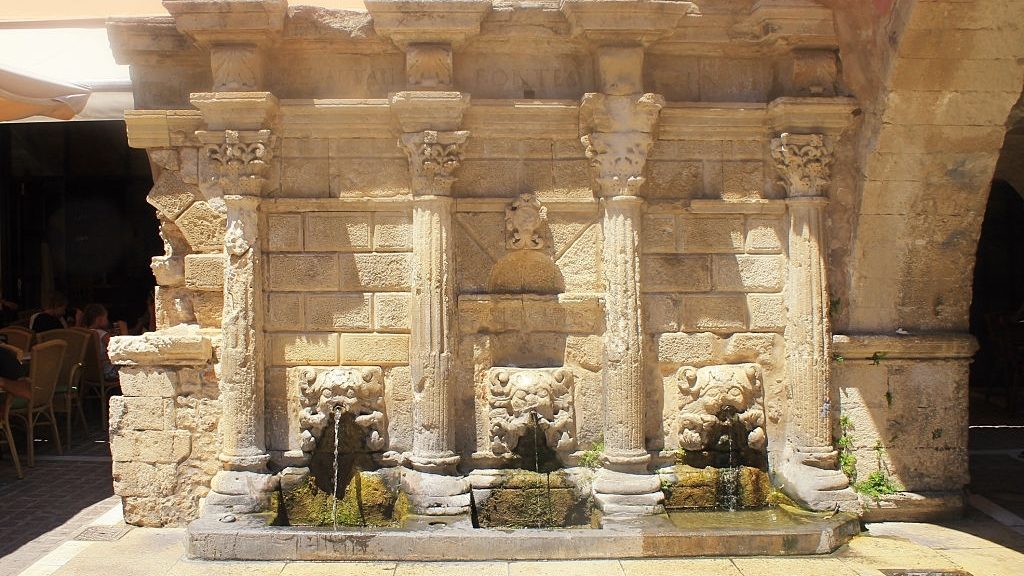
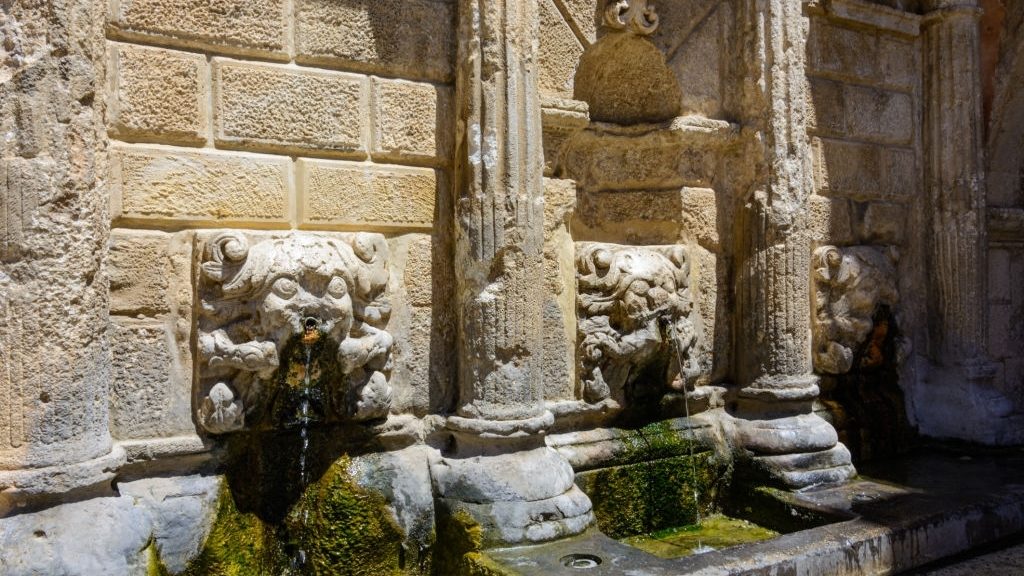
De Rimondi-fontein is een van de bekendste bezienswaardigheden van de stad Rethymno, samen met de Guora-poort, de klokkentoren (die helaas niet meer bestaat) en de Kara Musa Phasha-moskee. De steden van Kreta hebben altijd een watervoorzieningsprobleem gehad, dat de Venetianen aanpakten door aquaducten en fonteinen te bouwen.
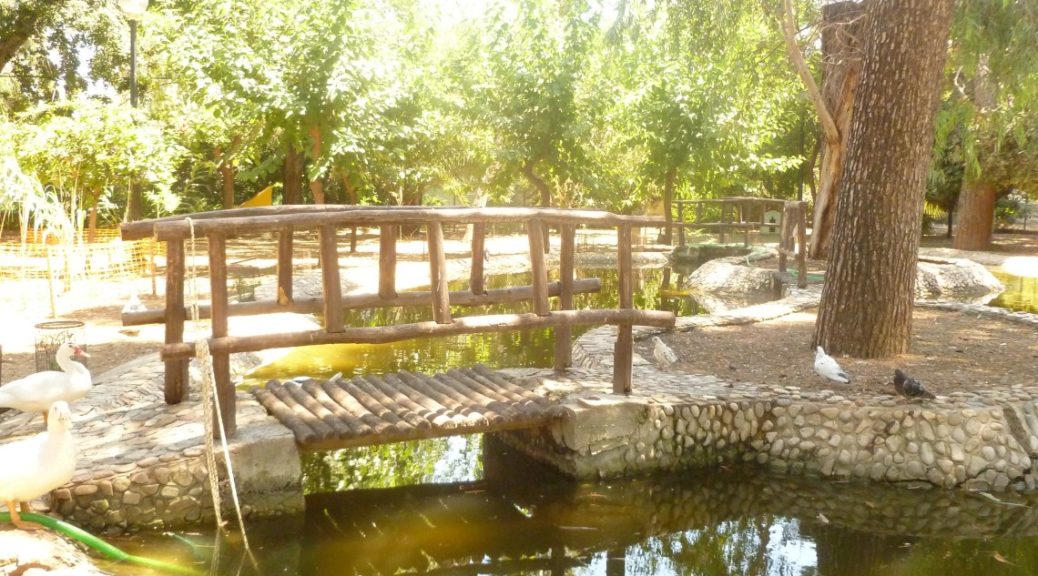
De prachtige Openbare Tuin of (Dimotikos Kipos) ligt in de centrale wijk van Chania, niet ver van de Gemeentelijke Markt. In de laatste jaren van de Ottomaanse overheersing, in een tijd waarin de stad verstikte binnen de beperkende muren, was de behoefte aan een ontspanningsruimte erg groot.
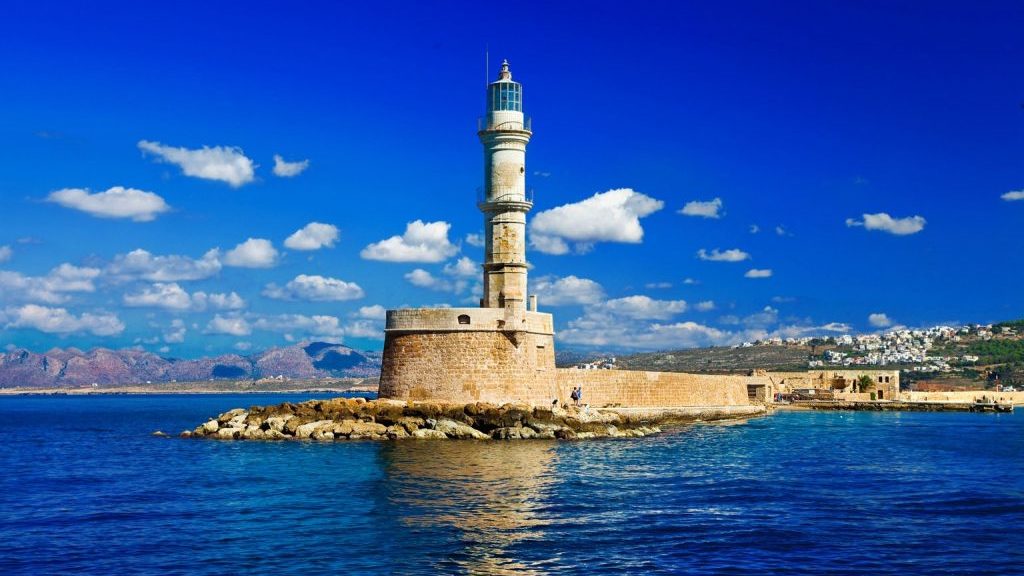
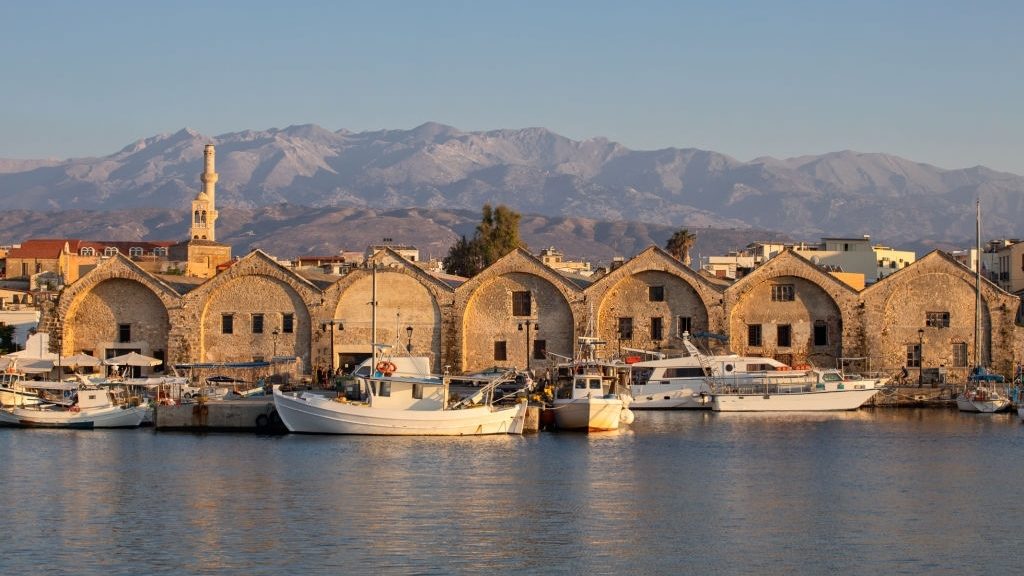
De Venetiaanse haven De Venetiaanse haven van Chania, inclusief de Venetiaanse vuurtoren, is een van de symbolen van de stad en een favoriet wandelgebied voor inwoners en bezoekers.
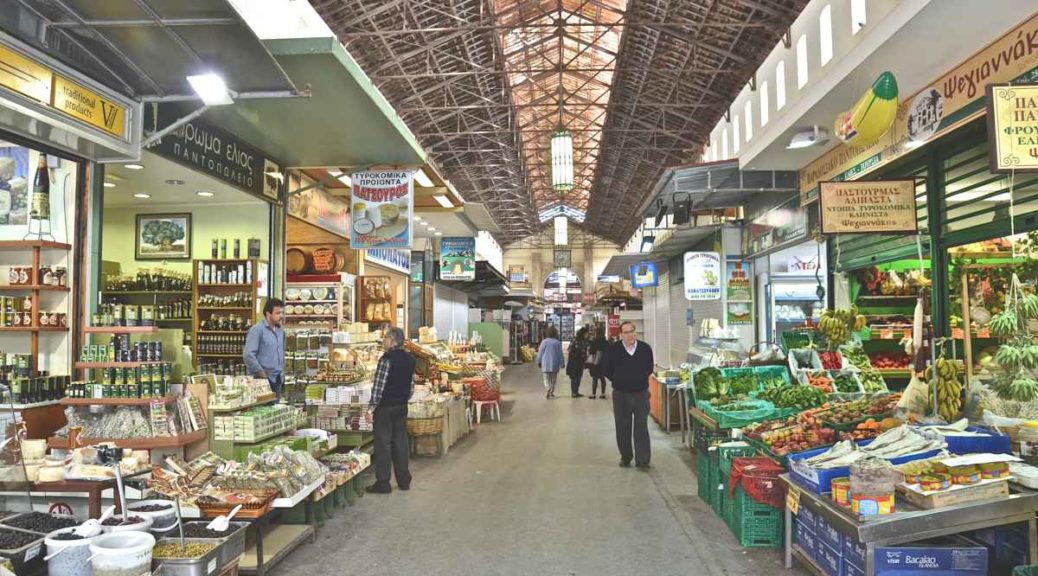
De gemeentelijke markt van Chania is een bijzonder levendige plek, vol kleuren, geuren en constante beweging, die niet alleen een populaire toeristische attractie is, maar ook nog steeds door de plaatselijke bevolking wordt gebruikt.
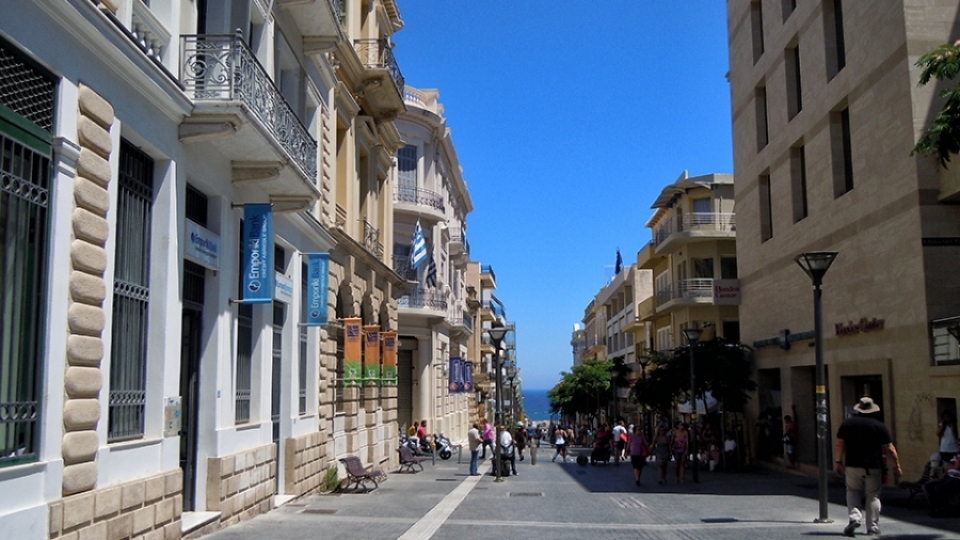
Already from the Venetian period, August 25 Street in Heraklion was one of the most important streets in the city even though it had not acquired its name yet. The road connects the port with Saint Mark’s square, and this is where the palatial mansion of the Venetian Duke was built.
The Lasithi Plateau is the largest mountain plain on the island, and the only one occupied all year-round. It spans an area that runs some 11 km east-west and 6 km north-south. Surrounding it are the peaks Selena (1559 m) at the north, Afendi (1588 m) and Louloudaki (1163 m) west, Spathi (2148 m) to the south and Katharo (1564 m) and Varsami (1545 m) to the east. Animal-rearing and agriculture were the main occupations here in the past. Perhaps…
Lees Meer Lees Meer
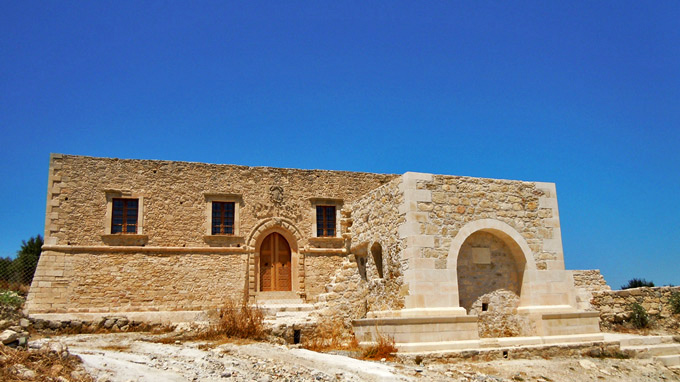
The Venetian villa Dei Mezzo, also known as the Seragio by the locals, is a once three-storied tower located at the village of Etia in eastern Crete, in the region of Sitia. The name of the village translates to “willow tree” in Greek even though it is uncertain how the connection was made.
De naam Kazarma is afgeleid van het Venetiaanse Casa di Arma, wat kazerne of wapenkamer betekent. Dit waren inderdaad de barakken van het Venetiaanse garnizoen, het legerhoofdkwartier van de versterkte stad Sitia. De muren van Sitia, die net zo hoog reikten als het fort, werden tegelijkertijd met de Kazarma gebouwd, in de late Byzantijnse jaren.
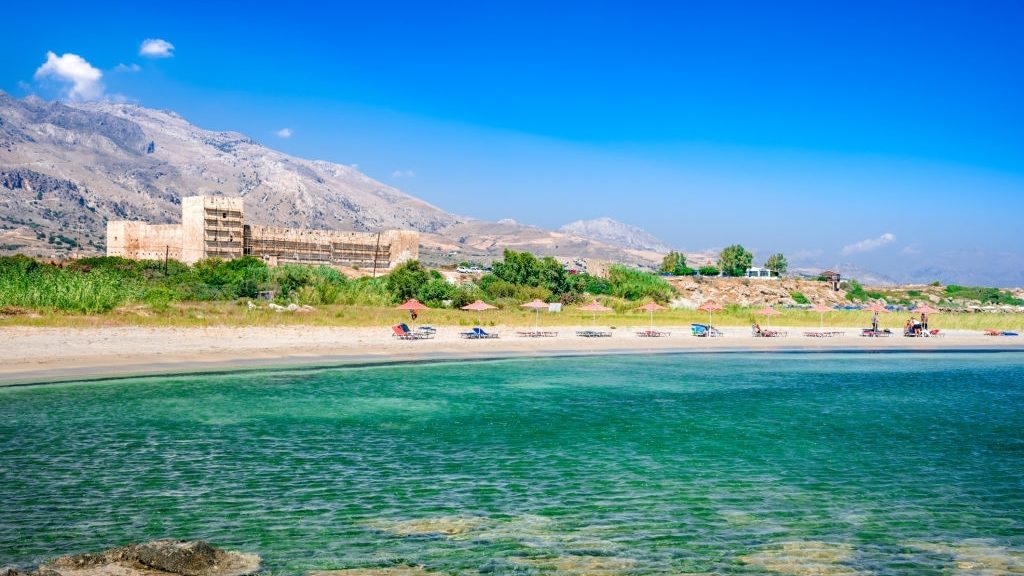
Het gebied Frangokastello is genoemd naar het fort dat daar in 1371 door de Venetianen werd gebouwd om het gebied te controleren. Voor de bouw zouden bouwmaterialen uit een oude stad in de regio zijn gebruikt.
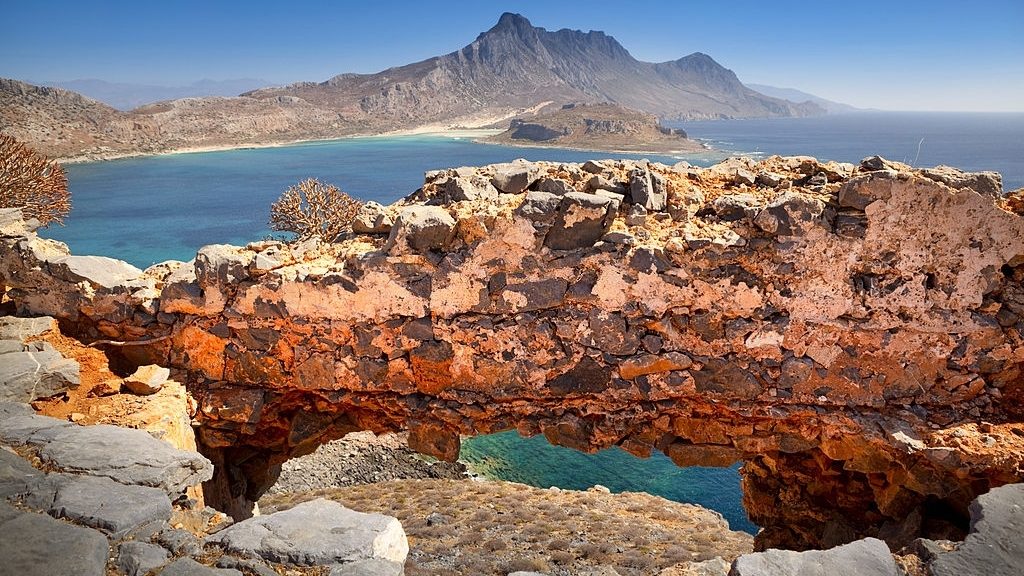
Het Venetiaanse fort van Gramvoussa werd gebouwd op het onbezette kale eiland Imeri Gramvoussa, tegenover het schiereiland Gramvousa. Dit is waar de oude stad Agneion bloeide tijdens de Romeinse jaren.
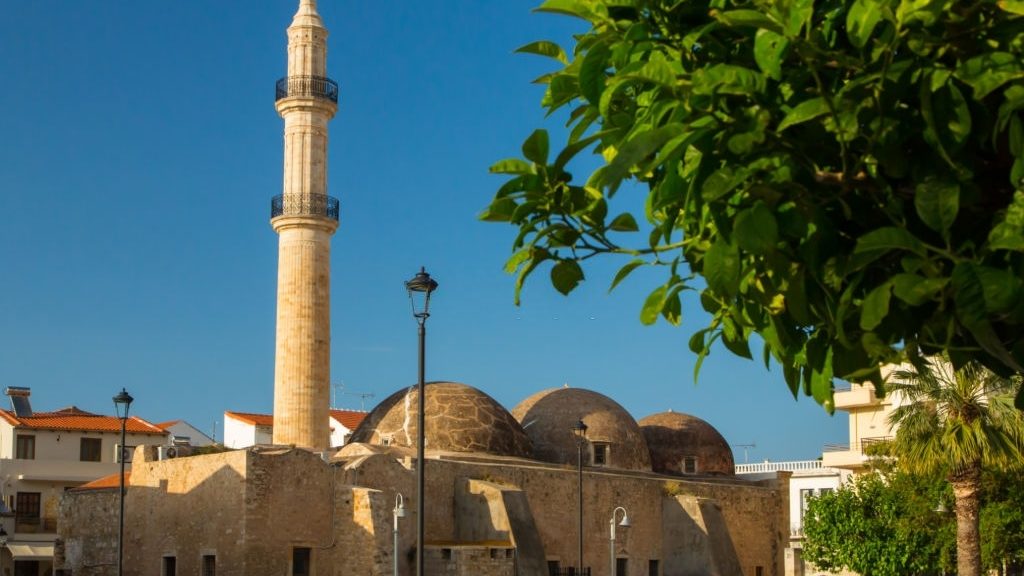
De Nerantze Moskee is een van de meest indrukwekkende en best bewaarde monumenten van de oude stad Rethymno, die net als vele andere gebouwen belangrijke veranderingen heeft ondergaan, net als de stad zelf.
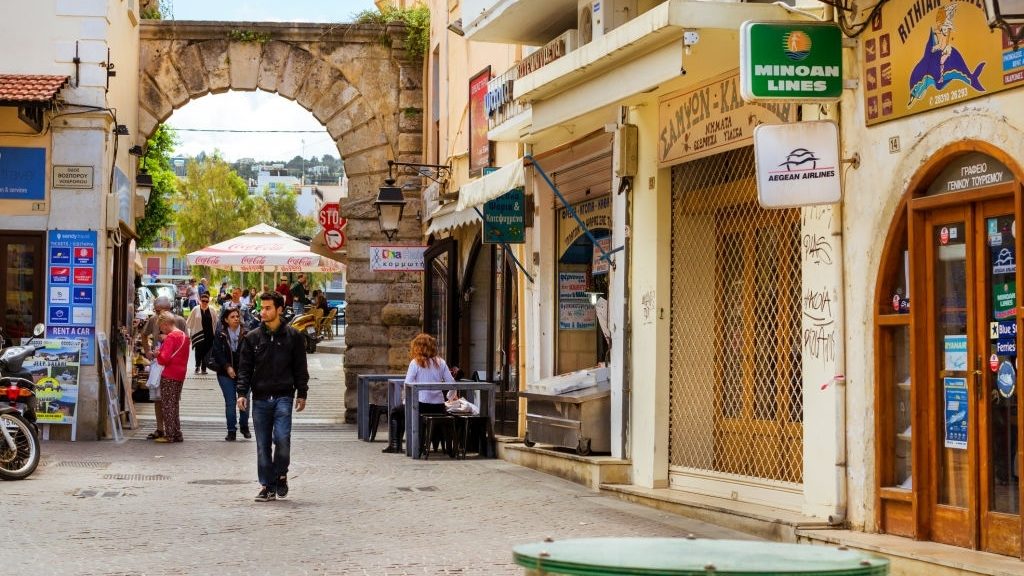
De Guorapoort is alles wat overblijft van de Venetiaanse fortificatie van Rethymno. Deze prachtige poort, die genoemd is naar de Venetiaanse rector (= gouverneur) Giacomo Guoro, heeft een opening van 2,60 m breed. Het was vroeger de hoofdingang van de ommuurde stad en leidde naar het centrale plein, waar zich de belangrijkste openbare gebouwen van Rethymno bevonden. (de Loggia, de Rimondi fontein, de Klokkentoren).
De Kara Moussa Pasja Moskee De Kara Moussa Pasja Moskee is genoemd naar de Turkse commandant van de zeecampagnes die tegen de stad Rethymno werden gevoerd. Het ligt op de plaats waar vroeger het Venetiaanse klooster van Agia Varvara stond.
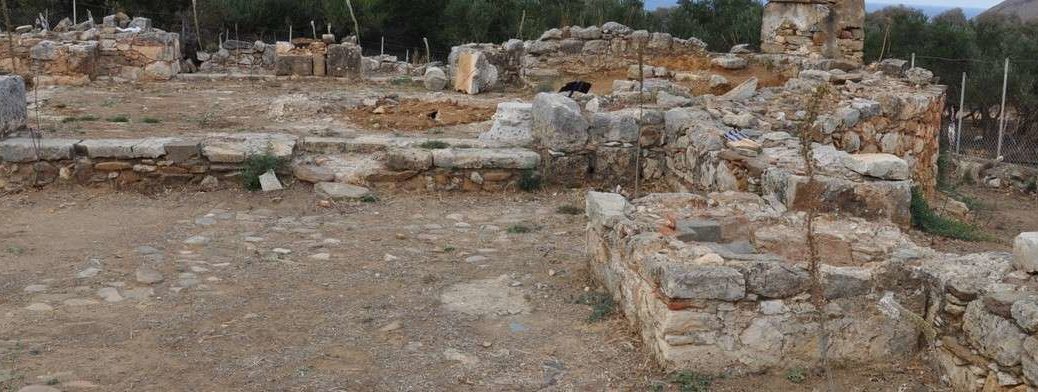
The archaeological site of the Basilica of Agia Sophia dates back to the early 6th century AD and is located south of the coastal settlement of Panormos and east of Rethymno. According to researchers, it was probably the Diocese’s seat of Eleftherna during the Early Byzantine years. It was most likely dedicated to Agia Sophia, hence the name and is one of the largest to be found in Crete.
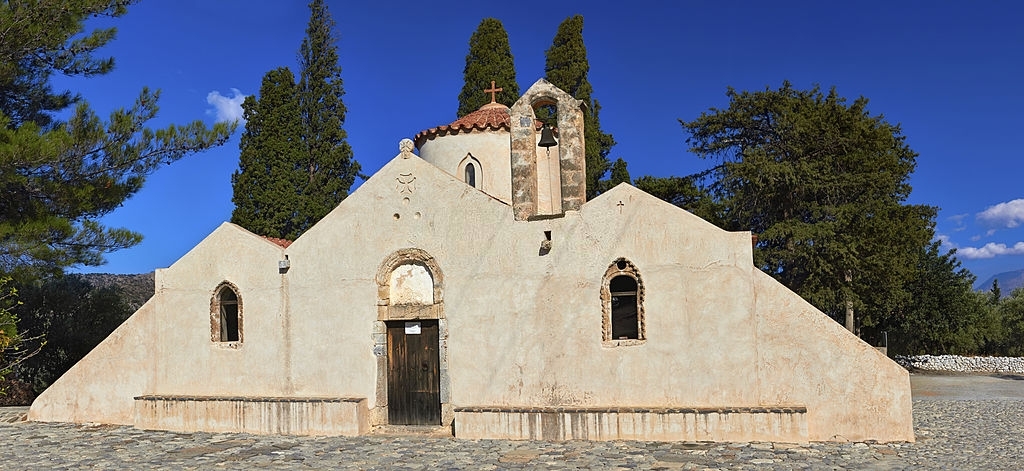
On the road from Agios Nikolaos to Kritsa, 1 km before the village, we meet the church of Panagia Kera. It is one of the most important Byzantine monuments of the island of Crete with impressive Byzantine frescoes. The church is three-aisled, vaulted with a dome and was built gradually starting in the 13th century. The central aisle is dedicated to the Virgin Mary and is the oldest (13th century) while the two side aisles were built later (14th century)…
Lees Meer Lees Meer
De Rotunda van Episkopi is een opmerkelijke vroegbyzantijnse kerk, gewijd aan de aartsengel Michaël, die te zien is bij het dorp Kato Episkopi, in de omgeving van Kissamos. In de vroeg-christelijke jaren was het de zetel van de bisschop van Kissamos. In de 6e eeuw na Christus kreeg de kerk de vorm die ze nu heeft, en sindsdien is ze onafgebroken in gebruik geweest.
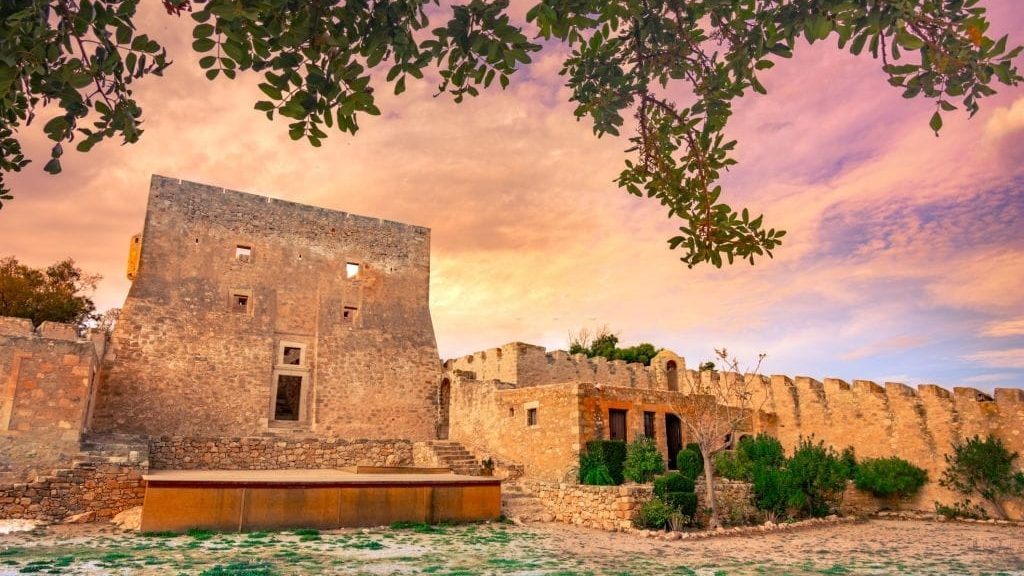
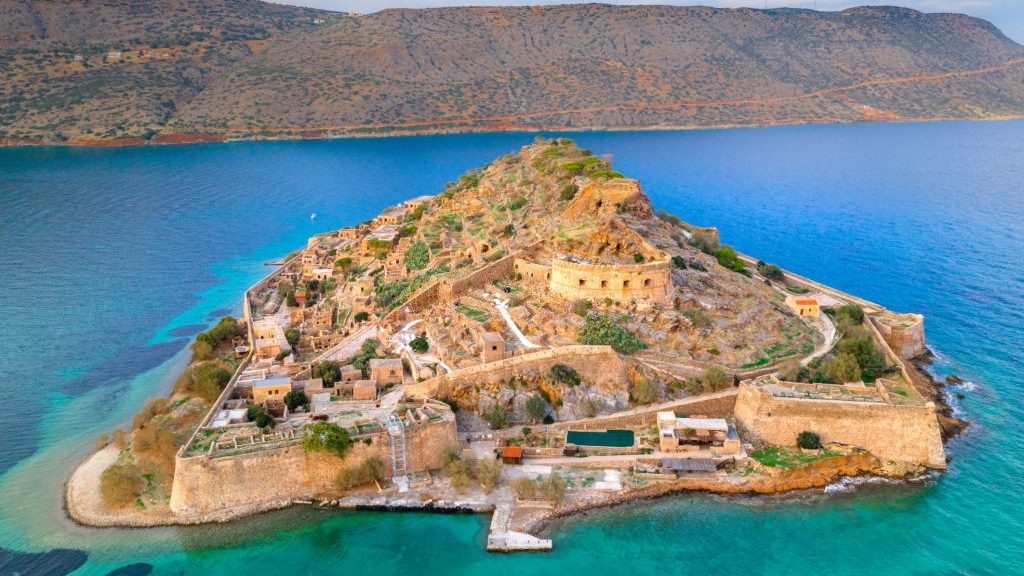
Spinalonga is een klein eilandfort aan de noordelijke ingang van de baai van Elounda, op een strategisch punt dat de controle over de natuurlijke haven van Elounda veilig stelt. Op de plek van het fort dat vandaag de dag nog te zien is, stond een oud fort ter bescherming van de haven van de oude stad Olous.
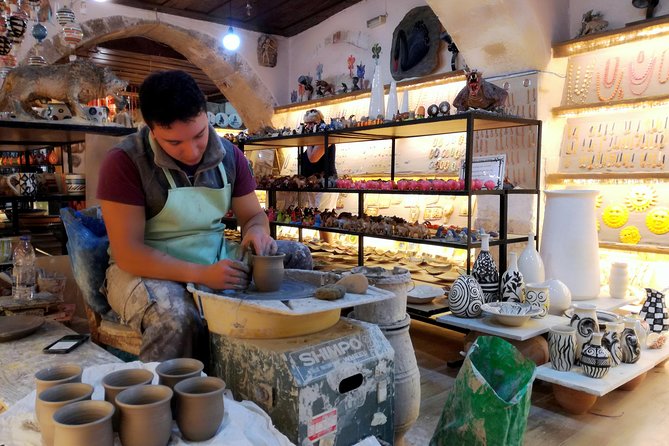
The pottery workshop “Keramos” is located in the village of Fodele, a place with characteristic natural beauty but also a special historical and artistic charge since, among other things, it is the special homeland of Dominikos Theotokopoulos.
Het dorp Viola is een verlaten nederzetting in het oosten van Kreta. Het beslaat de noordelijke en de westelijke kant van een steile heuvel aan de oostkant van het plateau waar ook de dorpen Ziros, Armeni en Handras liggen.
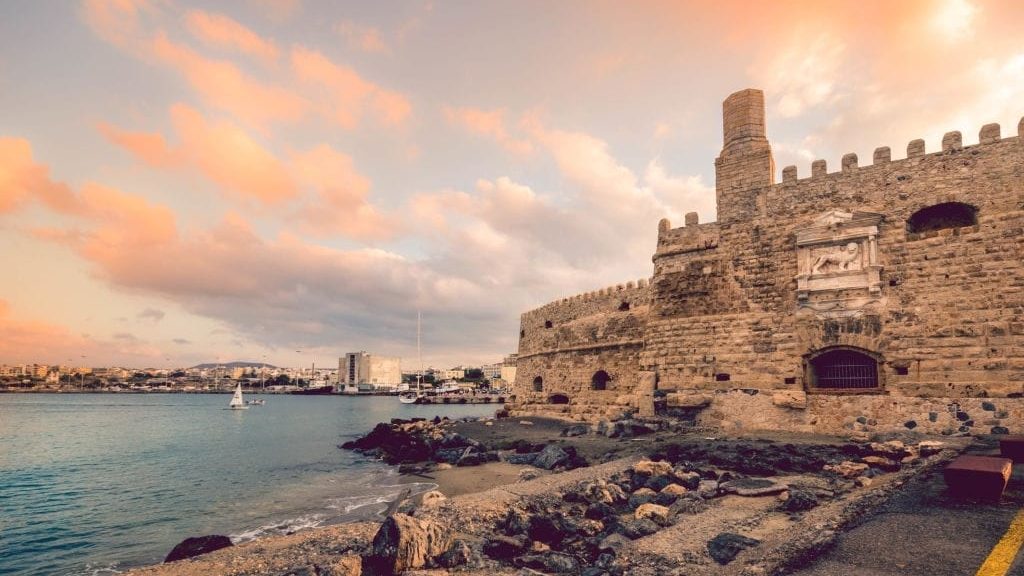
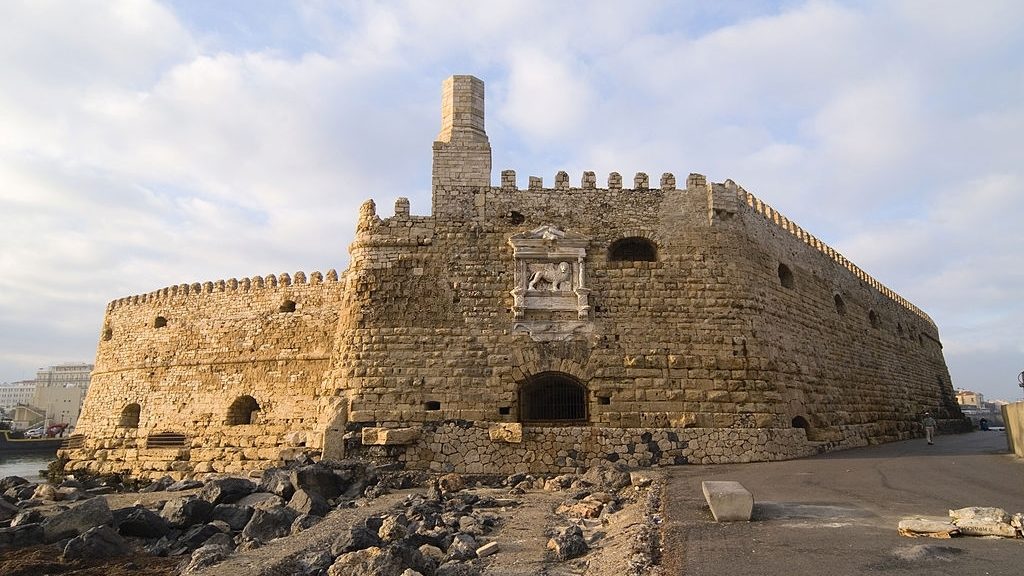
Het fort van Koules in de stad Heraklion maakt deel uit van de vestingwerken die de Venetianen in de 16e eeuw uitvoerden toen het deel uitmaakte van de Republiek Venetië om de havenstad te verdedigen tegen aanvallers. Er werden twee forten gebouwd aan het einde van elke pier, maar alleen de grootste, de zogenaamde Koules, bestaat nog.
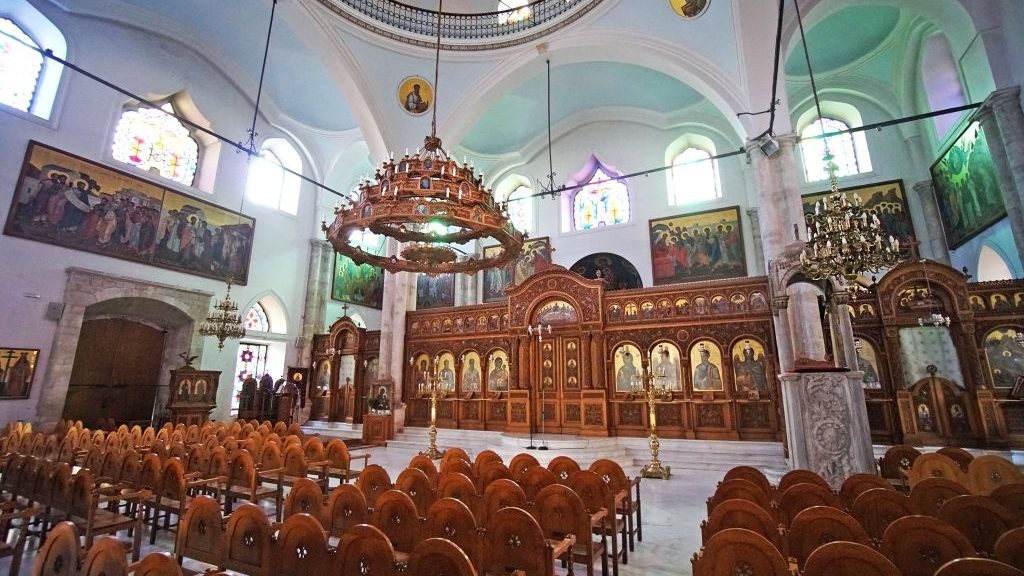
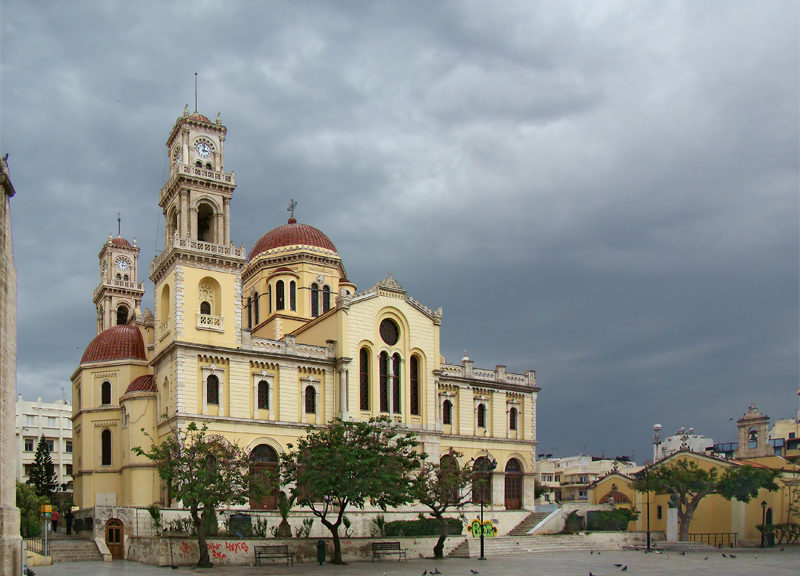
The cathedral of Saint Minas, patron saint of Heraklion since 1734 is located near the centre of the city following Vikela Street and then entering Agiou Mina Street. Near the cathedral, a much smaller and older church known as “Little Saint Minas” can also be seen. On the other side of the square, we find the church of Saint Catherine, and the square that is named after it, full of vibrant cafes, restaurants and shops.
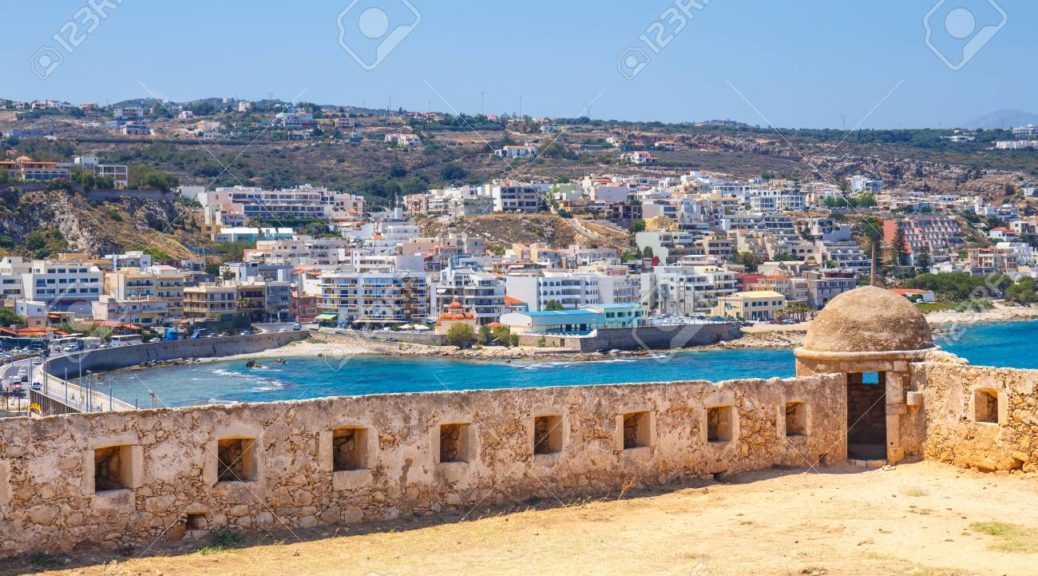
Het Fortezza is een imposant fort, dat vanaf de rotsachtige heuvel van Paleokastro uitkijkt over de stad Rethymno. Het is mogelijk dat in de oudheid, voordat het middeleeuwse Fortezza werd gebouwd, de acropolis van het oude Rithymna en de tempel van Artemis Rokkea in dit gebied bestonden.
De oude stad Chania belichaamt de lange geschiedenis van de stad. In de pittoreske steegjes kunnen bezoekers de sporen zien van elke beschaving die zich hier in het verleden een tijdlang heeft gevestigd.
The municipality of Viannos in the southeastern part of Heraklion is known for its wild beauty. Located at the foothills of Mount Dikti, it offers impressive geomorphological formations, beautiful plateaus and charming villages. During World War II, Viannos found itself at the centre of a mass extermination attack by Nazi soldiers, in reprisal for their support of the rebel forces. Most of the villages in the area were burned and looted while more than 500 people were executed during a…
Lees Meer Lees Meer
Op een hoogte van 2.456 meter vereeuwigt de kapel van Timios Stavros (Heilig Kruis in het Grieks) de oude praktijk van aanbidding in piekheiligdommen.
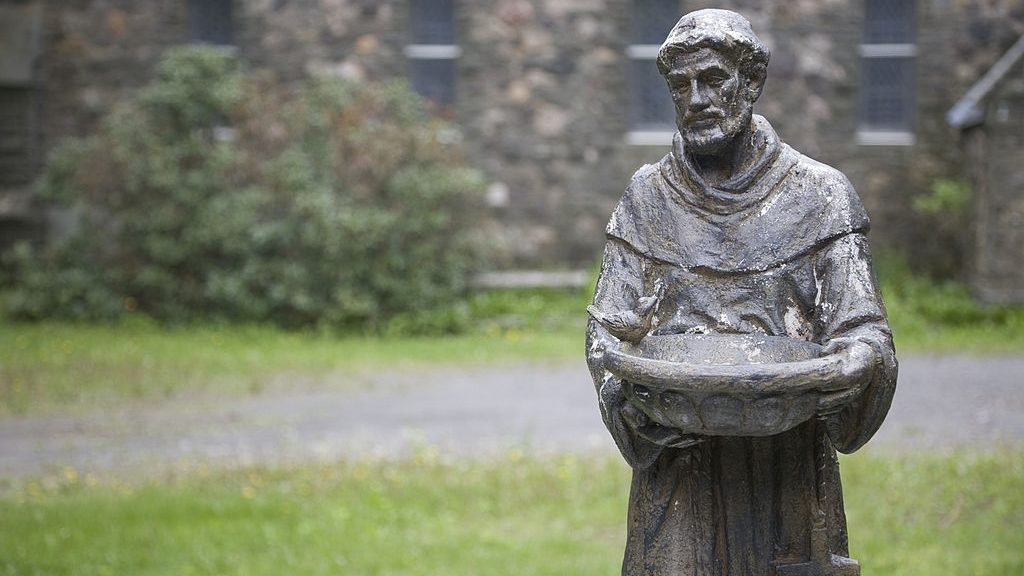
Saint Francis The single-aisled basilica of St. Francis belonged to the order of the Franciscans during Venetian rule and stands out both for its special architecture and its sculptural decoration. The Turkish conquerors turned it into a poorhouse and in 1796 established a girls’ school right next to it. To its east, the ruins of the two chapels can still be seen.
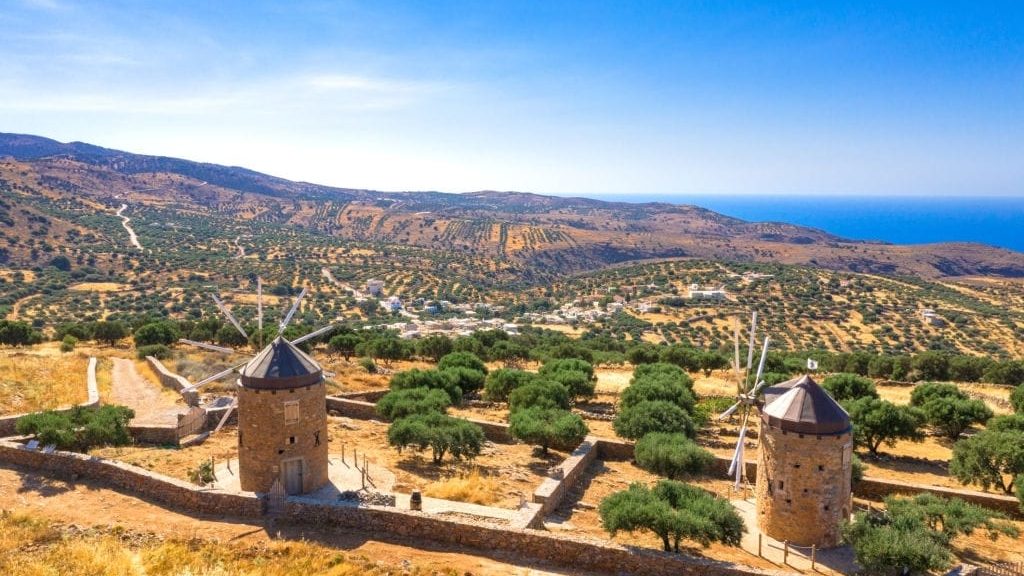
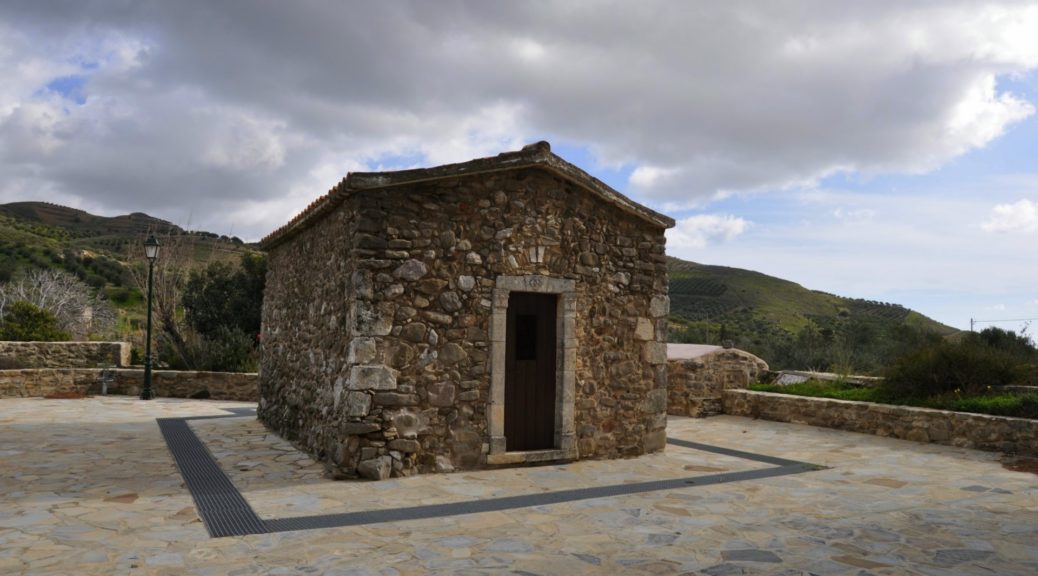
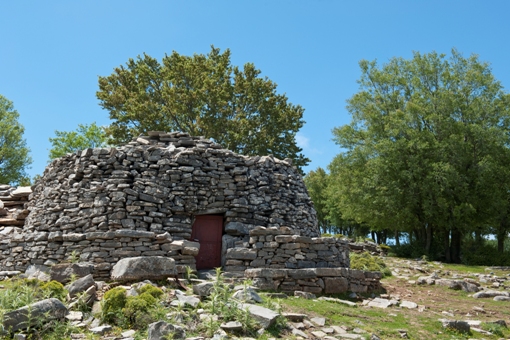
The name of these ancient, dry-stone constructions derives from the Latin word “metatum“, which means soldiers’ lodging. The word passed on to the Byzantines, meaning a temporary lodging, and it still has, more or less, the same meaning in Crete; mitata are used by shepherds as lodgings and storage rooms for cheese. They seem to have come about as a result of some ancient construction tradition and can be seen in various locations around the island but especially in the…
Lees Meer Lees Meer
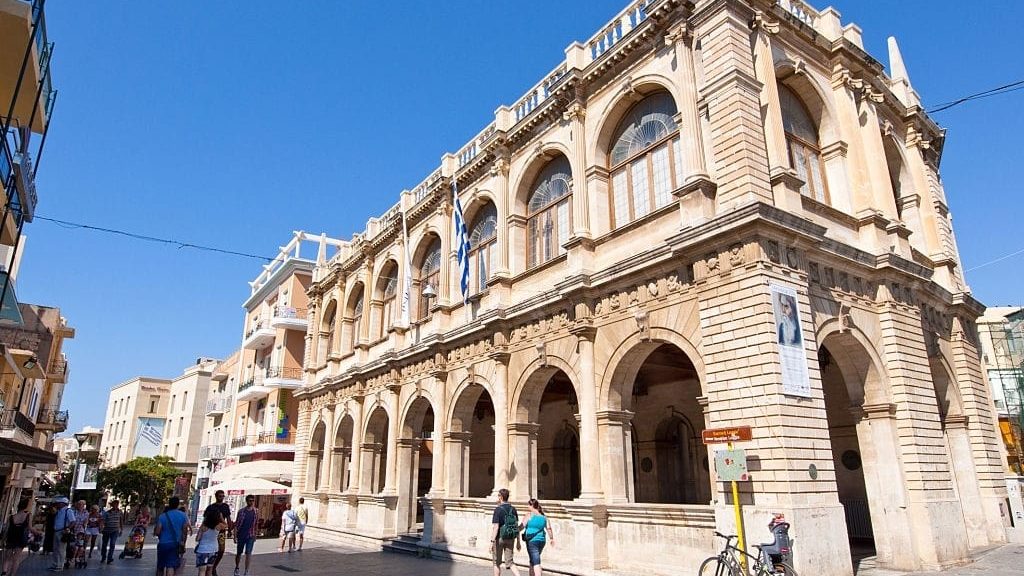
The Loggia (from the Italian word for “lodge“) is one of the most important buildings of the Venetian period in Crete. It was a kind of gentleman’s club, where the rich nobles and lords gathered. The building was built after 1541 probably with designs by Michel Sammicheliin Palladian style.
De stad Chania werd al in de Byzantijnse tijd omringd door muren. Het Byzantijnse fort had een onregelmatige vorm en omsloot de heuvel Kasteli. Deze muren, die gebouwd waren met stenen die uit de ruïnes van het oude Kydonia waren gehaald, werden in 1252 hersteld door de Venetiaanse veroveraars, die binnen de muren een nieuwe stad bouwden volgens een nieuw stadsplan.
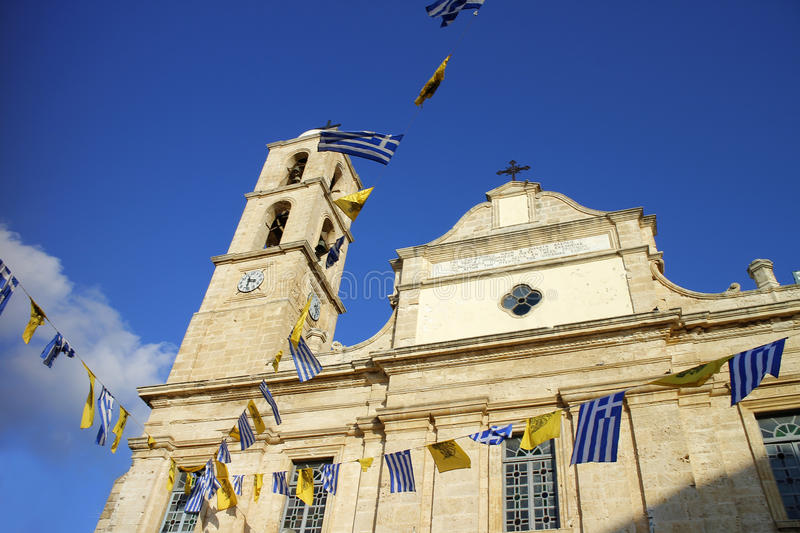
De kathedraal van de Presentatie van de Maagd Maria, ook bekend als Panagia Trimartiri, wordt beschouwd als de beschermer van de stad Chania. De centrale zijbeuk is gewijd aan de Presentatie van de Maagd Maria (Isodia tis Theotokou), die gevierd wordt op 21 november. De noordelijke zijbeuk is gewijd aan Sint-Nicolaas (Agios Nikolaos) en de zuidelijke zijbeuk aan de Drie Paters van Kappadocië (Tris Ierarhes).
 NL
NL  EN
EN  DE
DE  FR
FR  IT
IT  PL
PL