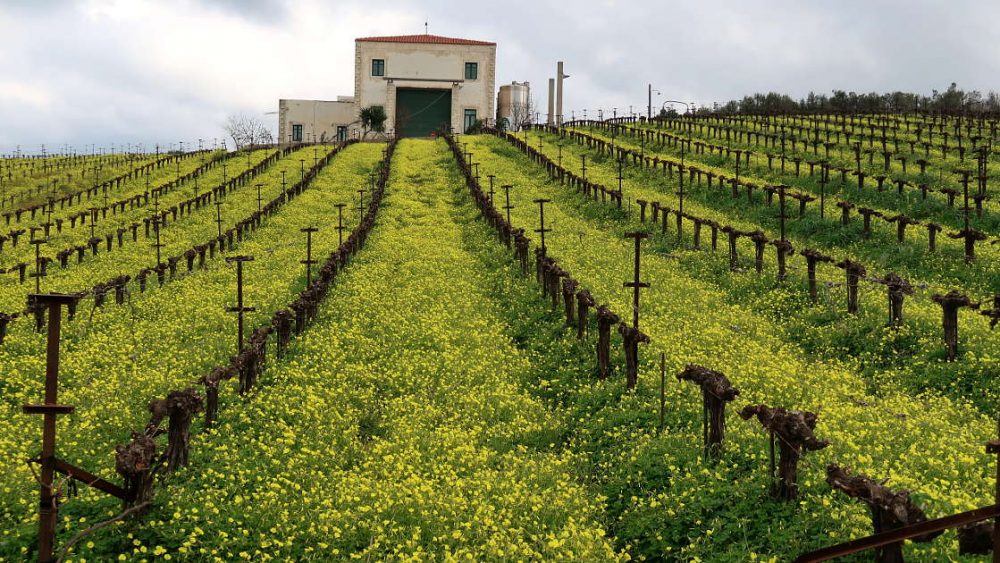
The most important wine-producing areas of the prefecture of Chania are located in the northwestern part. The “Wine Road” traverses the areas of Kissamos, Kolymbari, Mousouroi and Voukolies, passing through beautiful landscapes and historic sites. Wine-lovers have the opportunity to get to know the modern products of wineries in the Chania area at the Cretan Wine Festival held each year, usually in spring. Karavitakis vineyards The winery of Karavitaki Vineyards is located in Pontikiana in the area of Kolymvari in…
Lees Meer Lees Meer
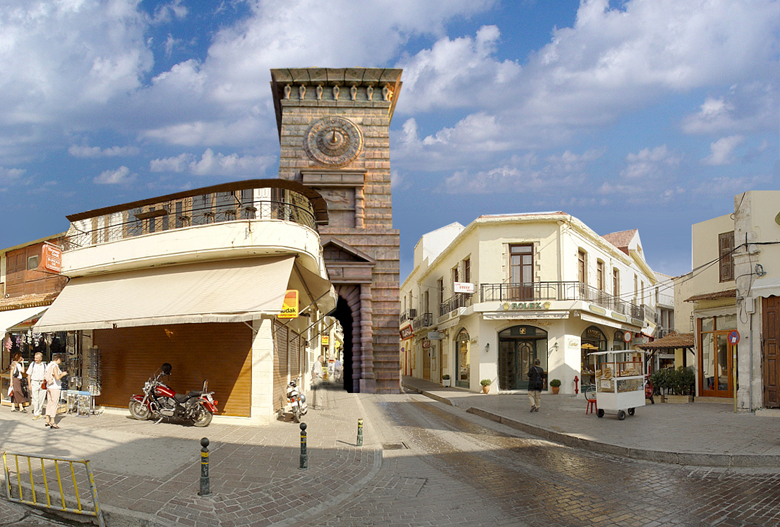
De beroemde klokkentoren van Rethymno is een van de beroemdste monumenten van Rethymno, maar er zit een addertje onder het gras. Hij bestaat niet meer! Het enige teken van zijn bestaan is een deel van de deur dat in een winkel in de Arkadiou Straat is ingebouwd.
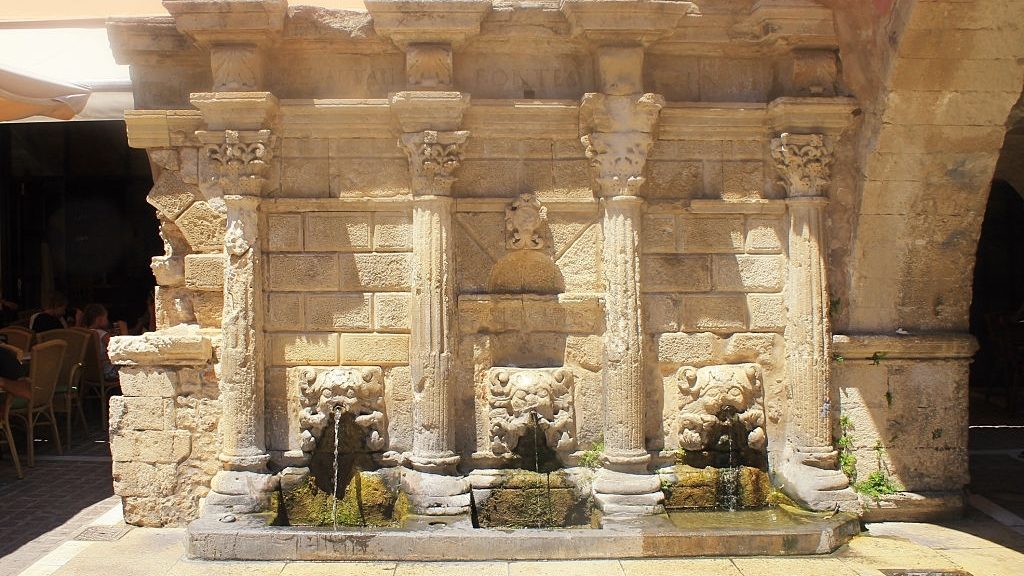
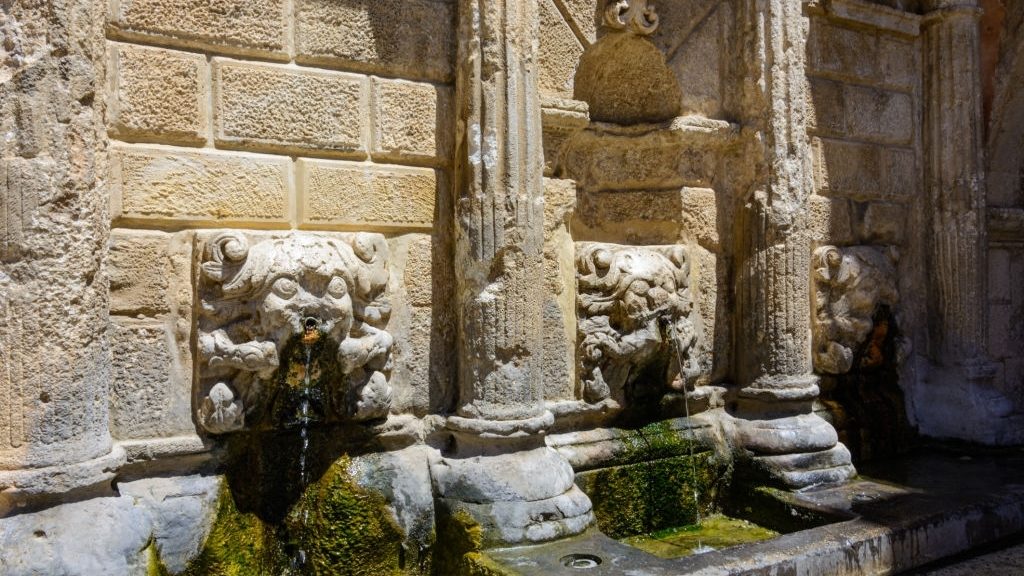
De Rimondi-fontein is een van de bekendste bezienswaardigheden van de stad Rethymno, samen met de Guora-poort, de klokkentoren (die helaas niet meer bestaat) en de Kara Musa Phasha-moskee. De steden van Kreta hebben altijd een watervoorzieningsprobleem gehad, dat de Venetianen aanpakten door aquaducten en fonteinen te bouwen.
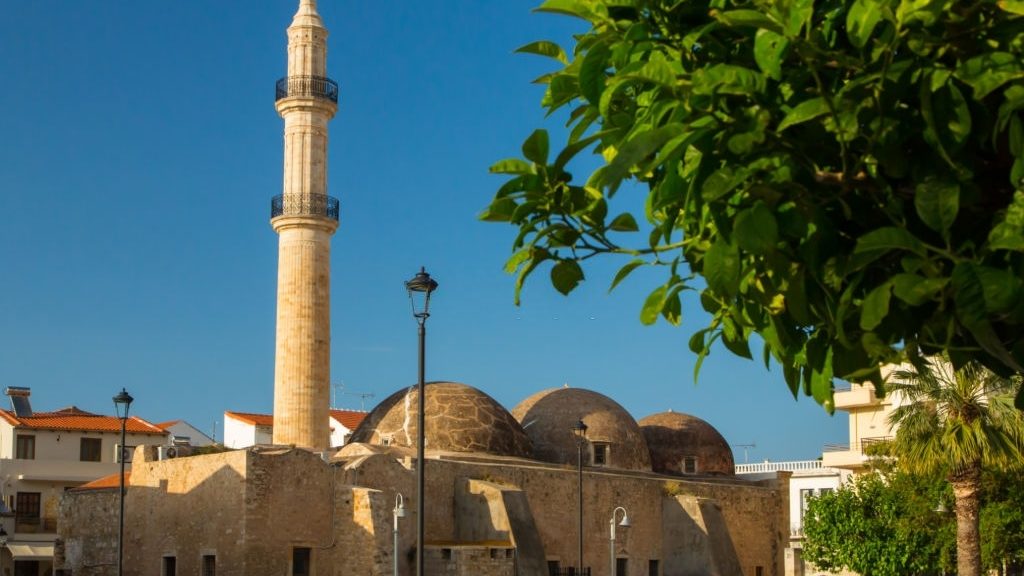
De Nerantze Moskee is een van de meest indrukwekkende en best bewaarde monumenten van de oude stad Rethymno, die net als vele andere gebouwen belangrijke veranderingen heeft ondergaan, net als de stad zelf.
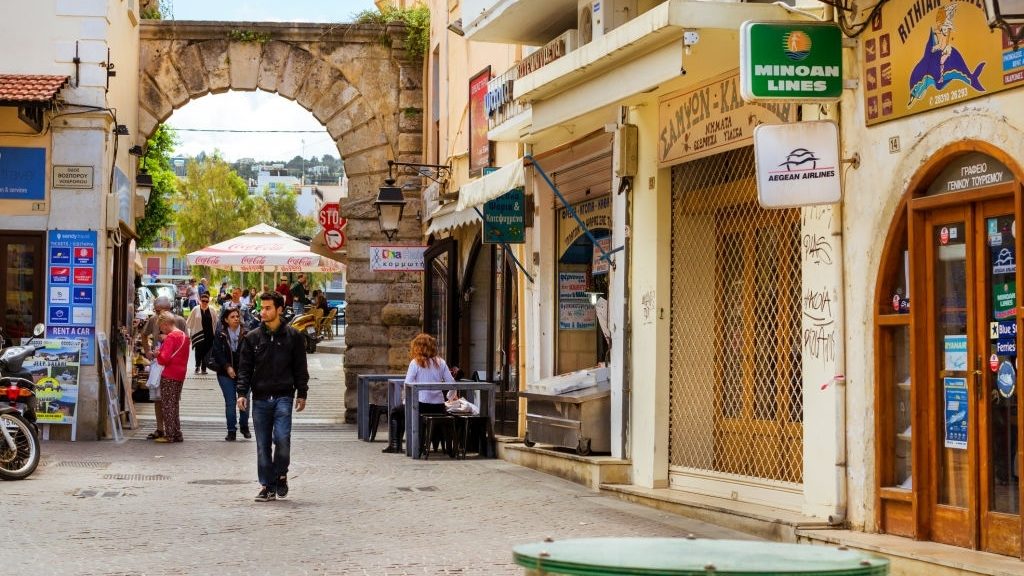
De Guorapoort is alles wat overblijft van de Venetiaanse fortificatie van Rethymno. Deze prachtige poort, die genoemd is naar de Venetiaanse rector (= gouverneur) Giacomo Guoro, heeft een opening van 2,60 m breed. Het was vroeger de hoofdingang van de ommuurde stad en leidde naar het centrale plein, waar zich de belangrijkste openbare gebouwen van Rethymno bevonden. (de Loggia, de Rimondi fontein, de Klokkentoren).
De Kara Moussa Pasja Moskee De Kara Moussa Pasja Moskee is genoemd naar de Turkse commandant van de zeecampagnes die tegen de stad Rethymno werden gevoerd. Het ligt op de plaats waar vroeger het Venetiaanse klooster van Agia Varvara stond.
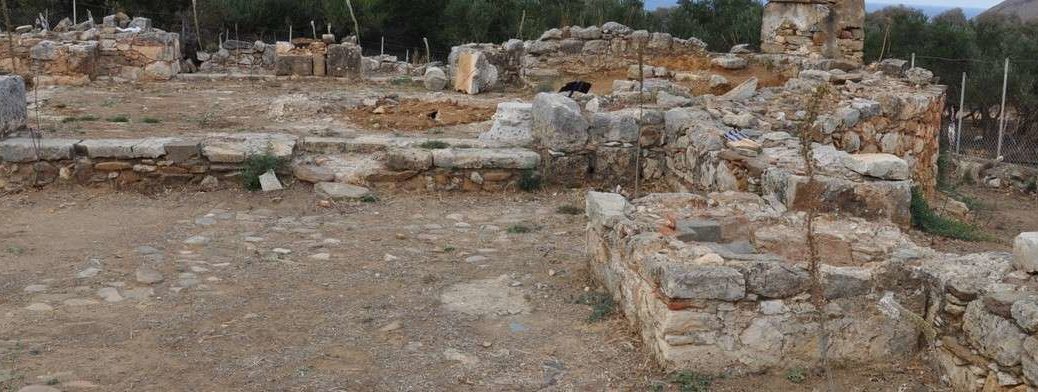
The archaeological site of the Basilica of Agia Sophia dates back to the early 6th century AD and is located south of the coastal settlement of Panormos and east of Rethymno. According to researchers, it was probably the Diocese’s seat of Eleftherna during the Early Byzantine years. It was most likely dedicated to Agia Sophia, hence the name and is one of the largest to be found in Crete.
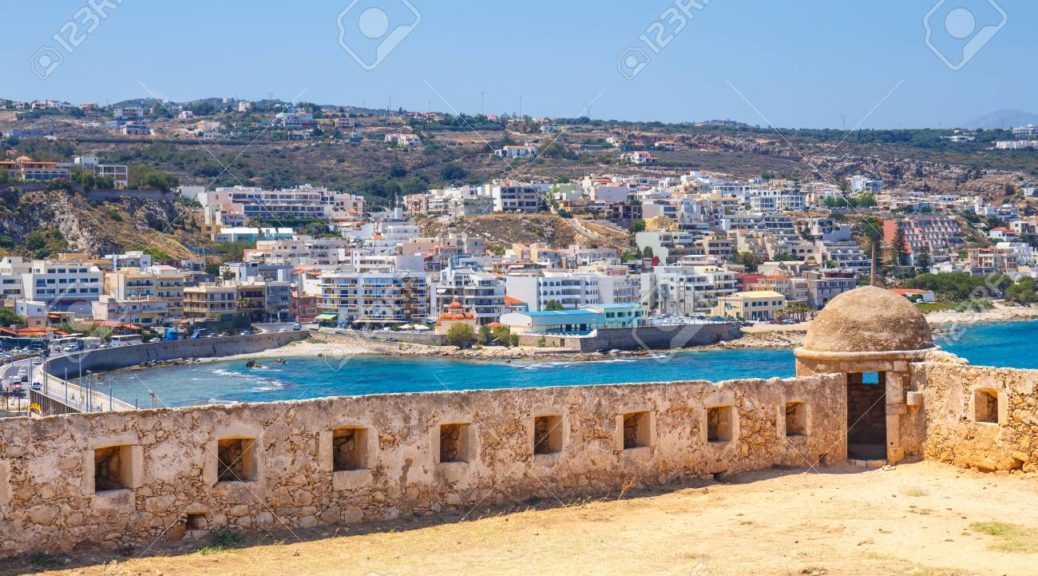
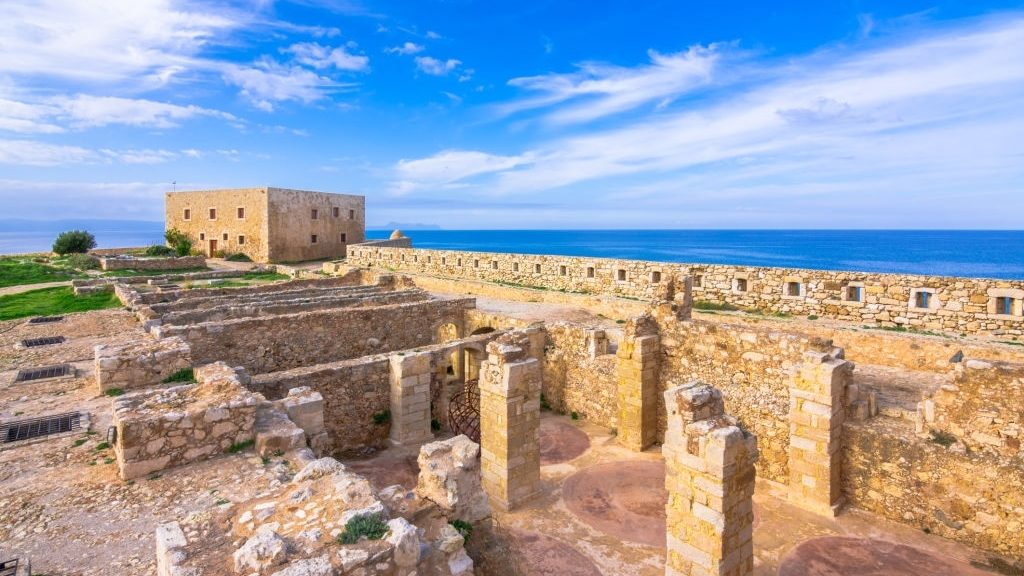
Het Fortezza is een imposant fort, dat vanaf de rotsachtige heuvel van Paleokastro uitkijkt over de stad Rethymno. Het is mogelijk dat in de oudheid, voordat het middeleeuwse Fortezza werd gebouwd, de acropolis van het oude Rithymna en de tempel van Artemis Rokkea in dit gebied bestonden.
Op een hoogte van 2.456 meter vereeuwigt de kapel van Timios Stavros (Heilig Kruis in het Grieks) de oude praktijk van aanbidding in piekheiligdommen.
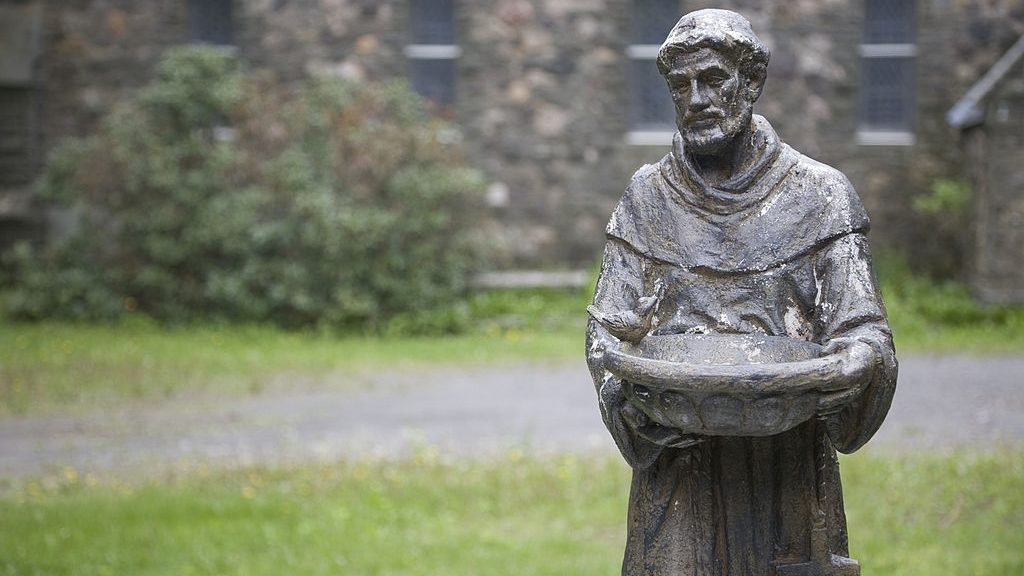
Saint Francis The single-aisled basilica of St. Francis belonged to the order of the Franciscans during Venetian rule and stands out both for its special architecture and its sculptural decoration. The Turkish conquerors turned it into a poorhouse and in 1796 established a girls’ school right next to it. To its east, the ruins of the two chapels can still be seen.
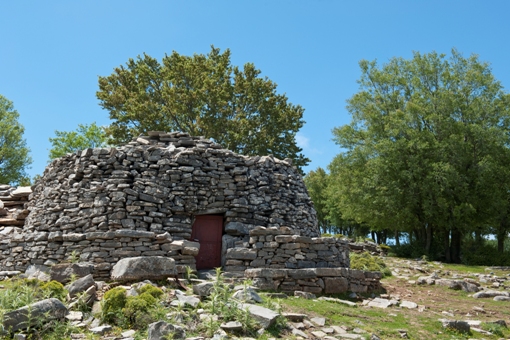
The name of these ancient, dry-stone constructions derives from the Latin word “metatum“, which means soldiers’ lodging. The word passed on to the Byzantines, meaning a temporary lodging, and it still has, more or less, the same meaning in Crete; mitata are used by shepherds as lodgings and storage rooms for cheese. They seem to have come about as a result of some ancient construction tradition and can be seen in various locations around the island but especially in the…
Lees Meer Lees Meer
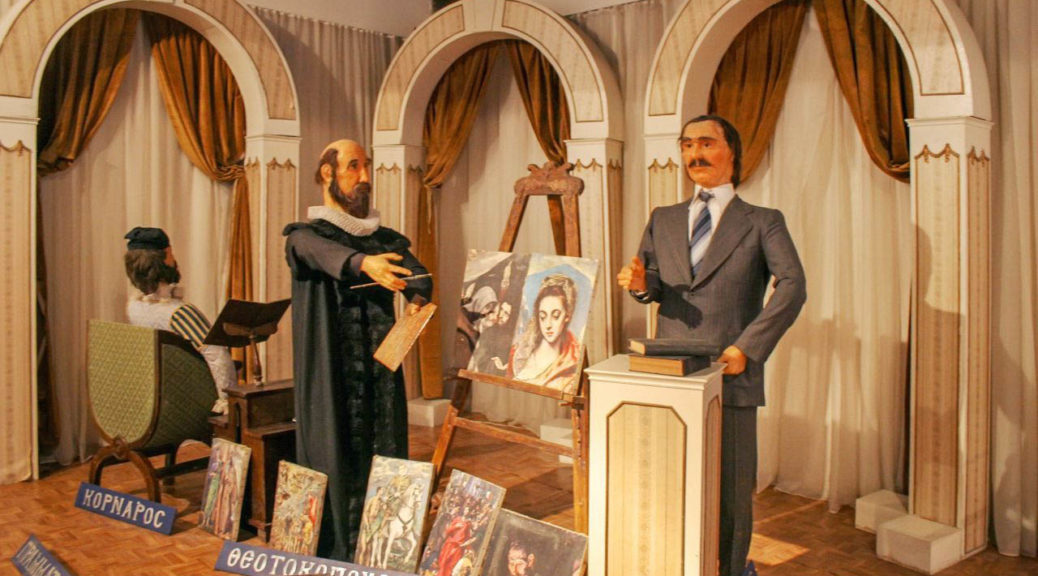
In de prefectuur Rethymnon zijn vele musea te bezoeken die een breed scala aan interesses en gebieden bestrijken, van archeologische musea tot volkskunst en kerkelijke collecties, tot hedendaagse kunsttentoonstellingen.
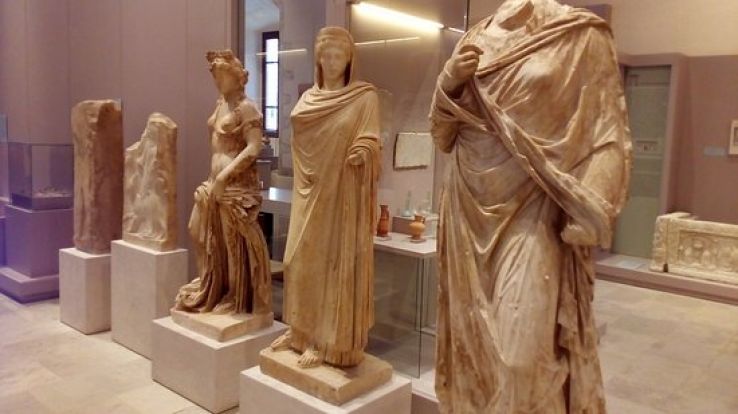
The Archaeological Museum of Rethymno is located in the centre of the Old Town of Rethymno and at a close distance to other historical and cultural areas for visitors to explore. The earliest collection of artefacts and exhibits of artistic and historical importance were gathered in 1888, on the initiative of the Greek Educational Association of Rethymno. Until 1990 the museum was accommodated in the Loggia, the most important meeting place at the time. In 1991 it was moved into…
Lees Meer Lees Meer
De eerste bewijzen van bewoning van de stad Rethymno stammen uit de Late Minoïsche jaren (1550-1250 v. Chr.). De oude stad Rithymna bereikte haar bloeitijd echter veel later, tussen de 4e en 3e eeuw v.Chr.
 NL
NL  EN
EN  DE
DE  FR
FR  IT
IT  PL
PL