Heraklion

Also available in English German French Italian Dutch Polish

Heraklion, eiland Kreta, Griekenland

Heraklion is the largest city of Crete and the island’s capital. Its history properly begins in post-Minoan times. Today it is a modern, lively town and an important economic centre. It preserves traces of its long history and the conquerors who passed through.

Heraklion Vandaag

Heraklion is a large modern city, cosmopolitan and busy year-round. It is an important economic centre with a rich cultural life and the most populated city on the island. As in any big city, and in addition to the museums, and attractions, it is worth your while to enter into Heraklion’s rhythm of life: to saunter along the pedestrian streets of its historic centre, to lose yourself in the alleyways of the Oude Stad, om de tijd te nemen in de koffiebars en raki-joints die deel uitmaken van de Heraklion-cultuur.

De laatste jaren zijn veel straten rond het centrum autovrij gemaakt en verbinden de belangrijkste monumenten van de stad met elkaar. Met de ontwikkeling van het strandfront begint Heraklion zich weer naar de zee en een levendiger stadscentrum te keren. De kustweg, die ten westen van Nea Alikarnassos in het oosten, gaat door de Venetiaanse haven naar de PanCretan stadion: het heeft enkele fietspaden, en enkele van de belangrijkste monumenten die onlangs zijn gerestaureerd (zoals de kerk van Peter en Paul). Het biedt een ideale plek voor een aangename wandeling te voet of met de fiets.

Bovendien is het de moeite waard om in de zomer de talrijke culturele evenementen bij te wonen die in de gracht van de Venetiaanse muren (de openluchttheaters van Nikos Kazantzakisen Manolis Hatzidakis), of in de onlangs gerenoveerde poorten en galerijen van de vestingmuren die zijn omgebouwd tot tentoonstellingsruimten.

Een wandeling in de stad Heraklion

Natuurrampen, de bombardementen van WOII, regrettable decisions by the local authorities of the past (and not so distant past), as well as the rapid development of the recent decades – all have been responsible for the loss of many of the city’s monuments and to a great degree the fabric of the Oude Stad. Toch heeft de bezoeker veel te zien, vooral in het historische centrum. Het oude bestaat naast het nieuwe en de basisstructuur van het historische hart is al eeuwenlang onveranderd gebleven.

Beginnend bij de Leeuwenpleinwaarbij de  Morosini Fontein staat in pracht en praal, kan de bezoeker ronddwalen in wat het hart was van het Venetiaanse bestuursgebied. Een paar meter verderop is de  Basiliek van Agios Markosgewijd aan de beschermheilige van Venetië. Vervolgens, op naar de Loggiaeen van de mooiste Venetiaanse gebouwen van het eiland, waar de club van Venetiaanse edelen bijeenkwam.25 augustus Straat) met de imposante neoclassicistische gebouwen en de Plein van Agios Titos with the church of the same name – an unusual ecclesiastical structure (This was first a Byzantine basilica, was converted to a Catholic church, and then a mosque; it was rebuilt as a mosque, and now is an Orthodox church again). At the bottom of the street, we reach the Venetian harbour, over which the Koulehas stond te waken door de eeuwen heen. Hier bevinden zich ook de scheepsloodsen, de Venetiaanse arsenalen.

Daar houdt de pracht en praal niet op! De Venetiaanse muren, de grootste verdedigingswerken in het oostelijke Middellandse Zeegebied, schreeuwen om verkenning. Verscheidene van de poorten, galerijen en wallen zijn open voor het publiek en ontvangen talrijke bezoekers; er worden ook culturele tentoonstellingen gehouden, vooral in de zomermaanden.

De moderne stad Heraklion

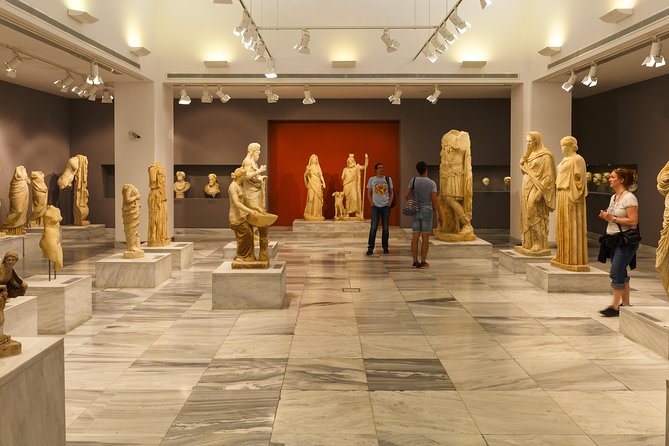
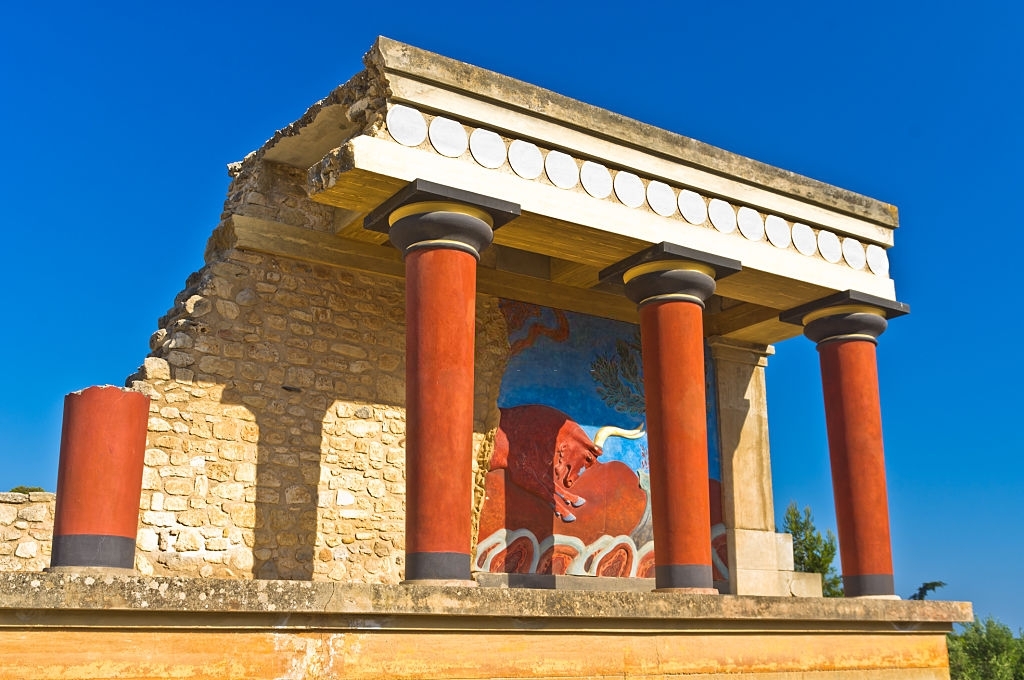
Naturally one must not miss out on the city’s museums, which are counted amongst the most worthwhile in the country. The Archeologisch Museum van Heraklion (door Vrijheidsplein) bevat alle Minoïsche schatten uit de paleizen en andere vereerde Minoïsche plaatsen die zijn opgegraven. Daaronder ziet u de fresco's van de Paleis van Knossosde beroemde oorbel met de twee bijen op een kam of bloemhoofd van Maliade Phaistos Schijf, the stone vase in the shape of a bull’s head and so on.

De Historisch Museum (ten westen van de Venetiaanse haven) herbergt voorwerpen die de eeuwenlange geschiedenis van het eiland kronieken, alsook persoonlijke bezittingen van Nikos Kazantzakis en twee beroemde schilderijen van El Greco.

Een ander belangrijk museum van de stad is dat van Natuurlijke historie (iets ten westen van de Historisch Museum): het is gevestigd in een historisch industrieel gebouw aan de boulevard. Het omvat de rijke fauna en flora van Kreta en de Middellandse Zee in het algemeen. Er zijn verschillende interactieve tentoonstellingen, een ruimte waar aardbevingen worden gesimuleerd, en een groot educatief gedeelte voor kinderen. Iets buiten de stad zijn twee andere grote attracties. De Paleis van Knossoseen van de populairste archeologische sites in Griekenland (na de Akropolis in Athene) geeft bezoekers de unieke kans om de Minoïsche manier van leven te waarderen. Verder naar het oosten bij Gouves vinden we de Cretaquarium, where one can observe sea creatures and plants – including rare species, such as the loggerhead turtles (Caretta Caretta).

Saint Titus Church (Agios Titos) – Heraklion

Saint Titus Church (Agios Titos) – Heraklion

De kerk van Agios Titos werd oorspronkelijk gebouwd na de bevrijding van Kreta door Nikiforos Fokas in 961 AD. Tijdens de Venetiaanse periode werd ze omgebouwd tot een katholieke kerk, maar ze verloor haar Byzantijnse karakter niet.

Venetian walls & gates in Heraklion

Venetian walls & gates in Heraklion

Already from the years of the First Byzantine Period (330-840 AD), the city of Heraklion had fortifications which were completed by both the Arab conquerors (840-961 AD) and the Byzantines (961-1204 AD) as well as by the Venetians after 1211 AD. However, the emerging threat of the Turks forced Venice to fortify the capital of Regno di Candia in the most modern and effective way at the time. The form of fortifications we see today is based on drawings by…

Lees Meer Lees Meer

Morosini Fountain (Lions Square) – Heraklion

Morosini Fountain (Lions Square) – Heraklion

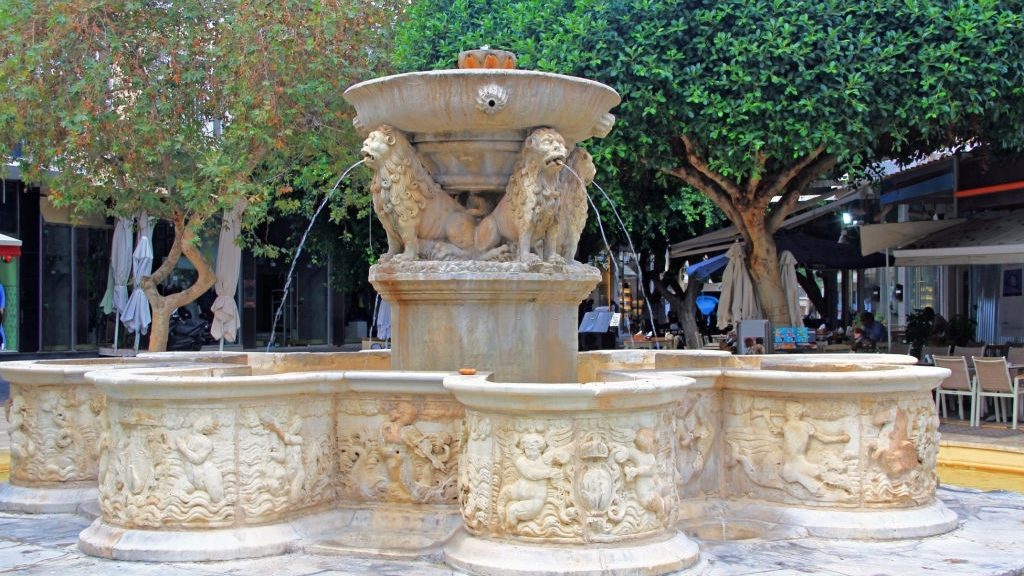
One of the most brilliant monuments of the city of Heraklion is the Fountain of Morosini or the “Lions“, as the residents of Heraklion call it.

August 25 street – Heraklion

August 25 street – Heraklion

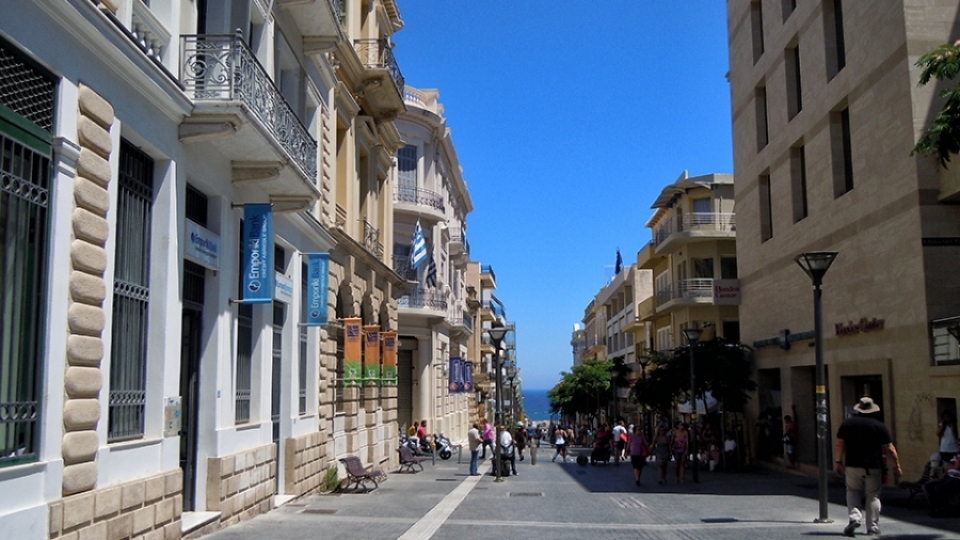
Already from the Venetian period, August 25 Street in Heraklion was one of the most important streets in the city even though it had not acquired its name yet. The road connects the port with Saint Mark’s square, and this is where the palatial mansion of the Venetian Duke was built.

Keramos Pottery Workshop – Fodele

Keramos Pottery Workshop – Fodele

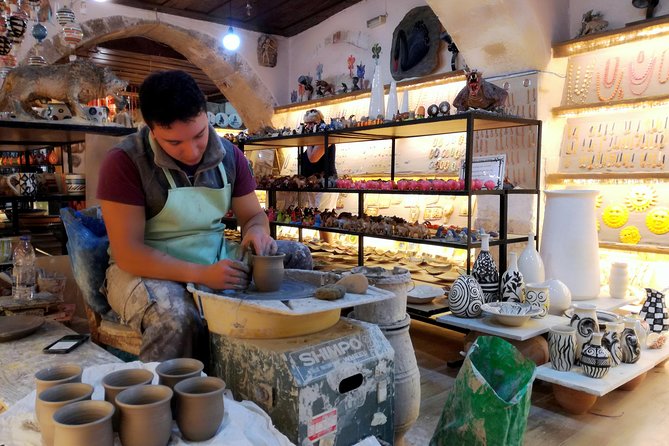
The pottery workshop “Keramos” is located in the village of Fodele, a place with characteristic natural beauty but also a special historical and artistic charge since, among other things, it is the special homeland of Dominikos Theotokopoulos.

Fortress of Koules – Heraklion

Fortress of Koules – Heraklion

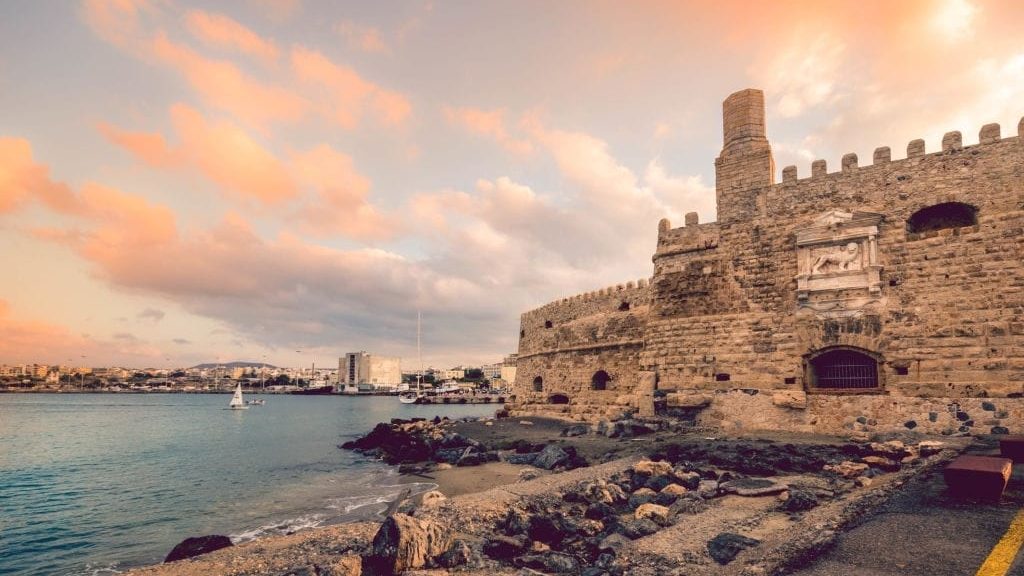
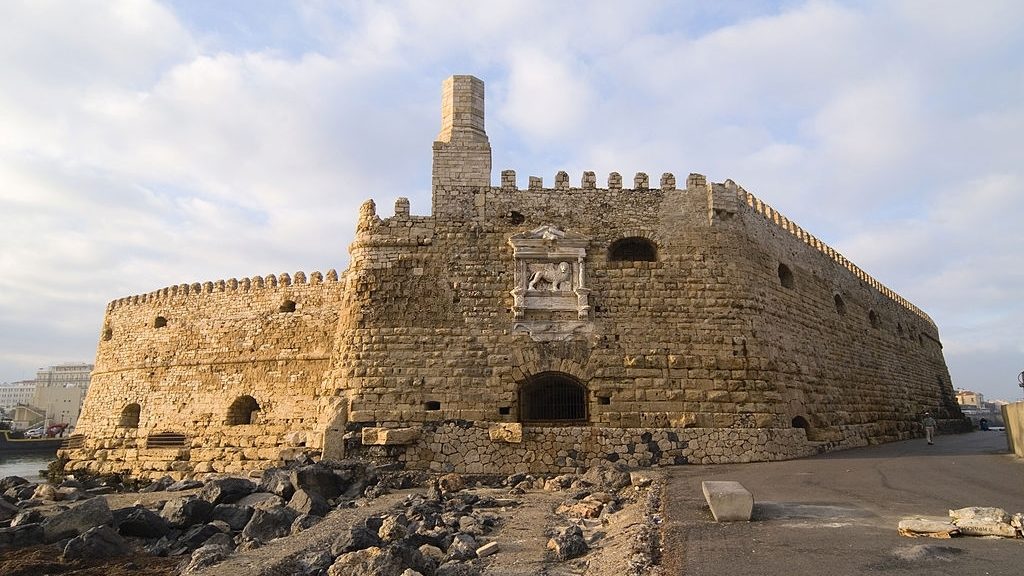
Het fort van Koules in de stad Heraklion maakt deel uit van de vestingwerken die de Venetianen in de 16e eeuw uitvoerden toen het deel uitmaakte van de Republiek Venetië om de havenstad te verdedigen tegen aanvallers. Er werden twee forten gebouwd aan het einde van elke pier, maar alleen de grootste, de zogenaamde Koules, bestaat nog.

Agios Minas Church – Heraklion (Saint Minas)

Agios Minas Church – Heraklion (Saint Minas)

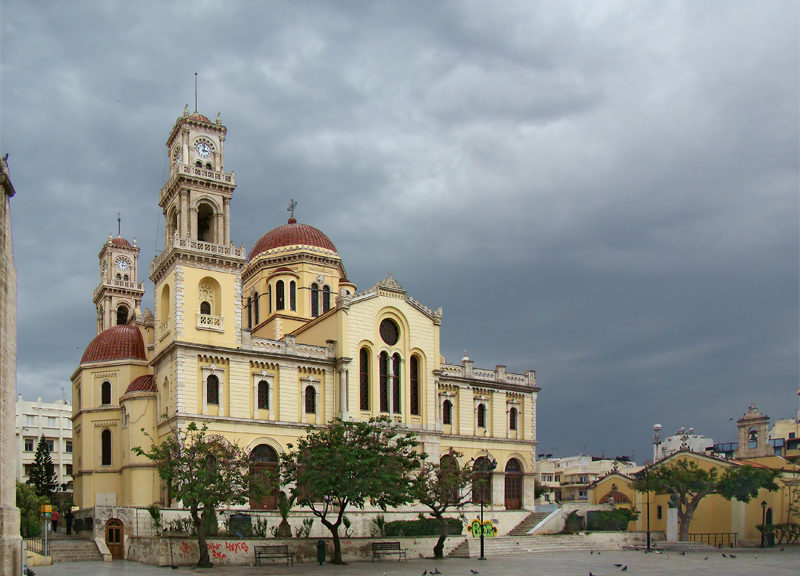
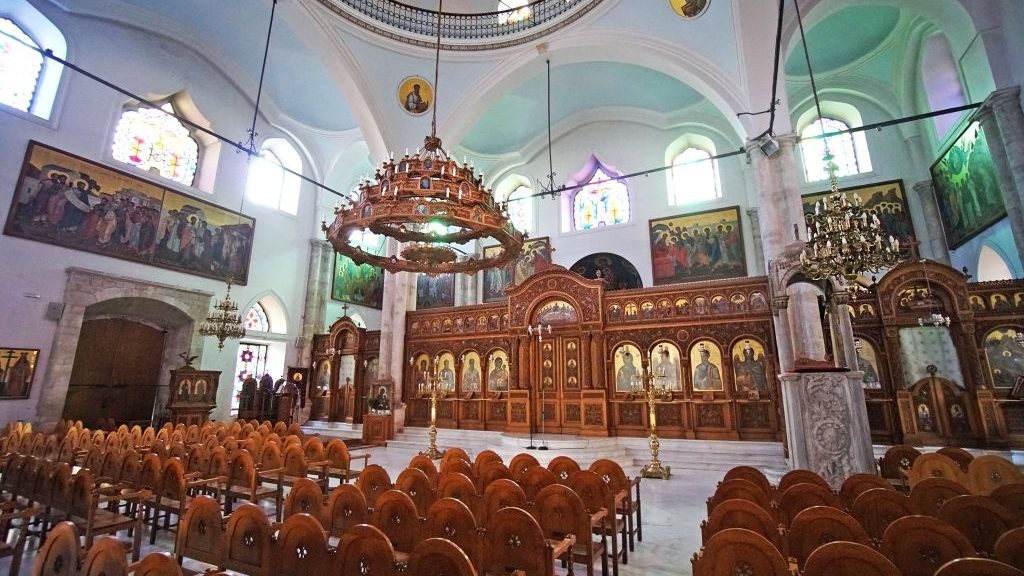
The cathedral of Saint Minas, patron saint of Heraklion since 1734 is located near the centre of the city following Vikela Street and then entering Agiou Mina Street. Near the cathedral, a much smaller and older church known as “Little Saint Minas” can also be seen. On the other side of the square, we find the church of Saint Catherine, and the square that is named after it, full of vibrant cafes, restaurants and shops.

Moni Varsamonerou

Moni Varsamonerou

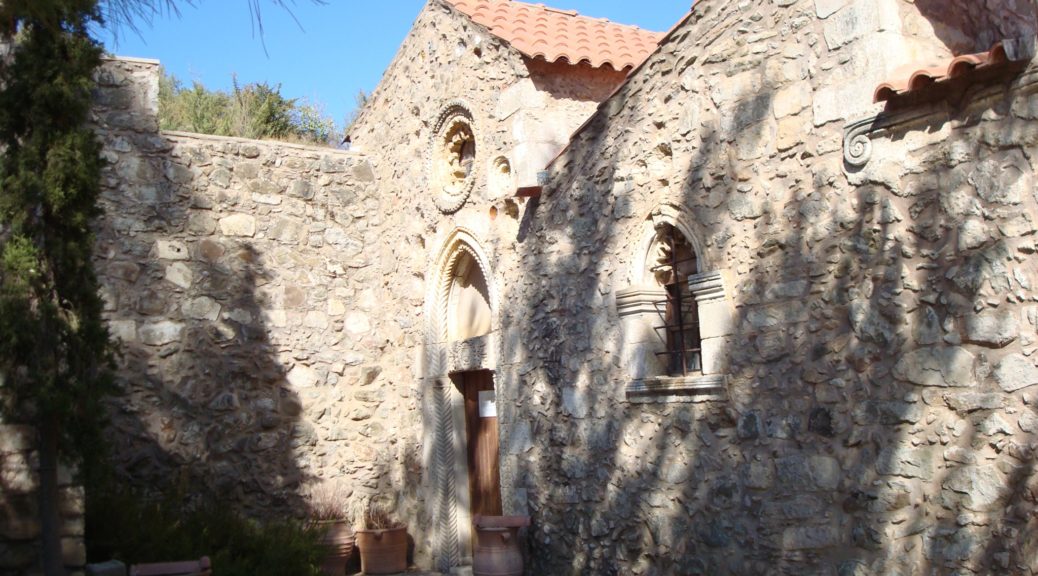
Het klooster van Varsamoneros was een van de belangrijkste centra van de Kretenzische Hagiografische School en is verbonden met het klooster van Vrontisiou. De meeste gebouwen van het klooster zijn nu verwoest en slechts enkele architectonische elementen van het complex zijn bewaard gebleven.

Oude kloosters in Viannos

Oude kloosters in Viannos

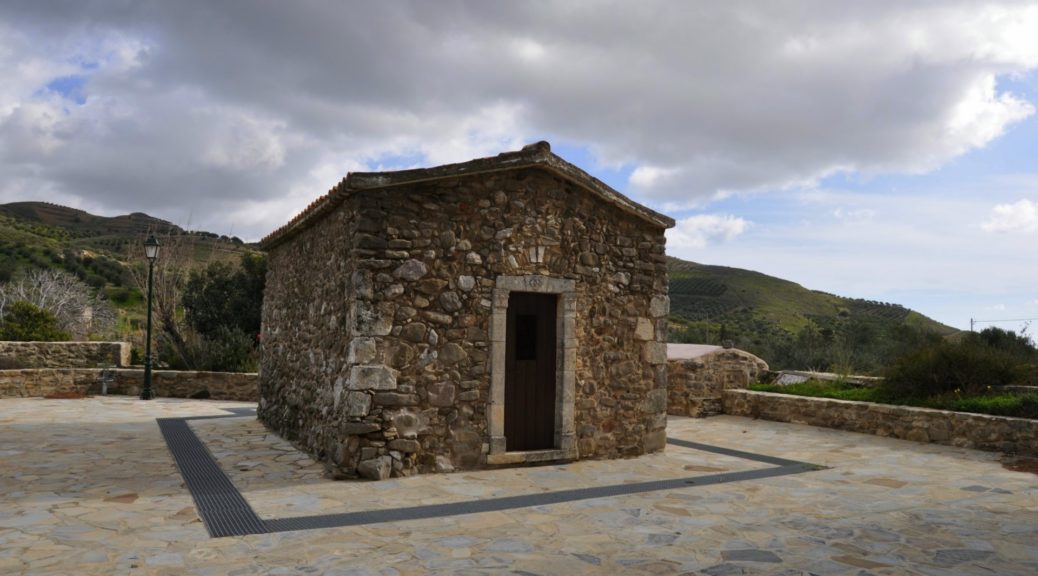
The municipality of Viannos in the southeastern part of Heraklion is known for its wild beauty. Located at the foothills of Mount Dikti, it offers impressive geomorphological formations, beautiful plateaus and charming villages. During World War II, Viannos found itself at the centre of a mass extermination attack by Nazi soldiers, in reprisal for their support of the rebel forces. Most of the villages in the area were burned and looted while more than 500 people were executed during a…

Lees Meer Lees Meer

Venetian Loggia – Heraklion Town Hall

Venetian Loggia – Heraklion Town Hall

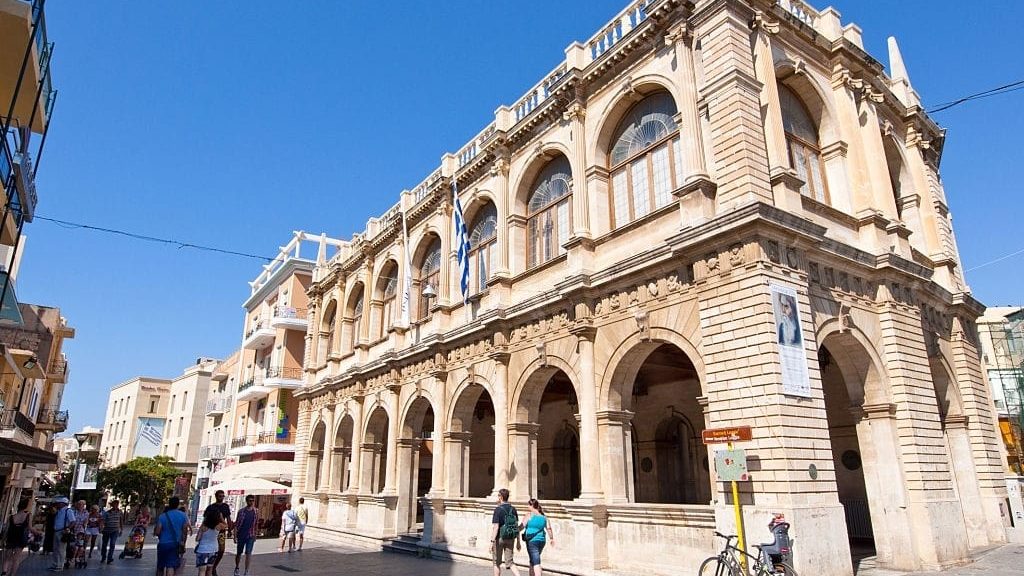
The Loggia (from the Italian word for “lodge“) is one of the most important buildings of the Venetian period in Crete. It was a kind of gentleman’s club, where the rich nobles and lords gathered. The building was built after 1541 probably with designs by Michel Sammicheliin Palladian style.

Labyrint muziek workshop

Labyrint muziek workshop

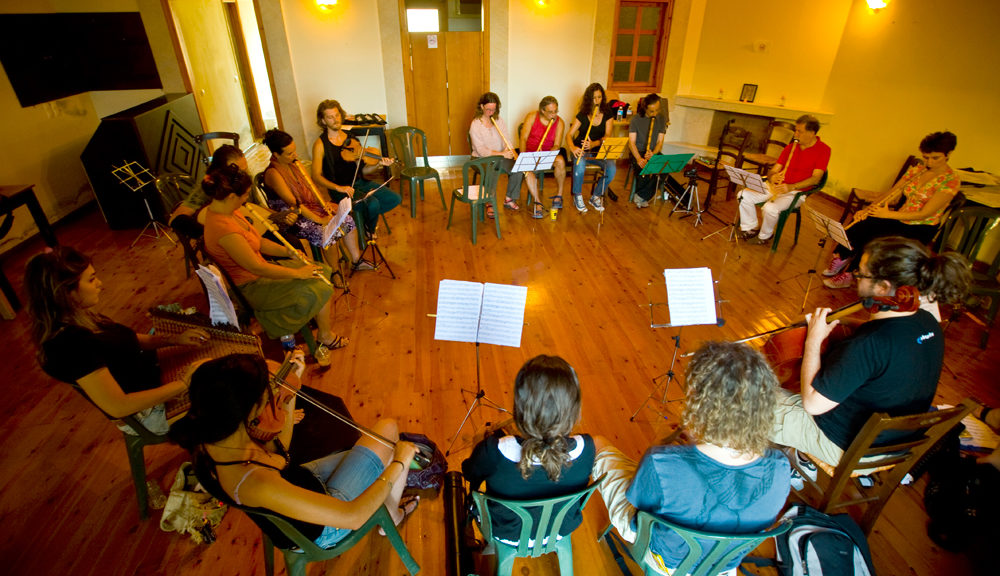
The Labyrinth Music Workshop was founded in 1982 by Ross Daly. The main object is to introduce young people to a creative approach to musical traditions from all over the world. Since 2002, the Labyrinth Music Workshop in collaboration with the Municipality of “Nikos Kazantzakis”, houses its activities in an old building, tastefully designed, in the village of Houdetsi (20 km from Heraklion) under the artistic direction of Ross Daly.

Historisch Museum van Kreta

Historisch Museum van Kreta

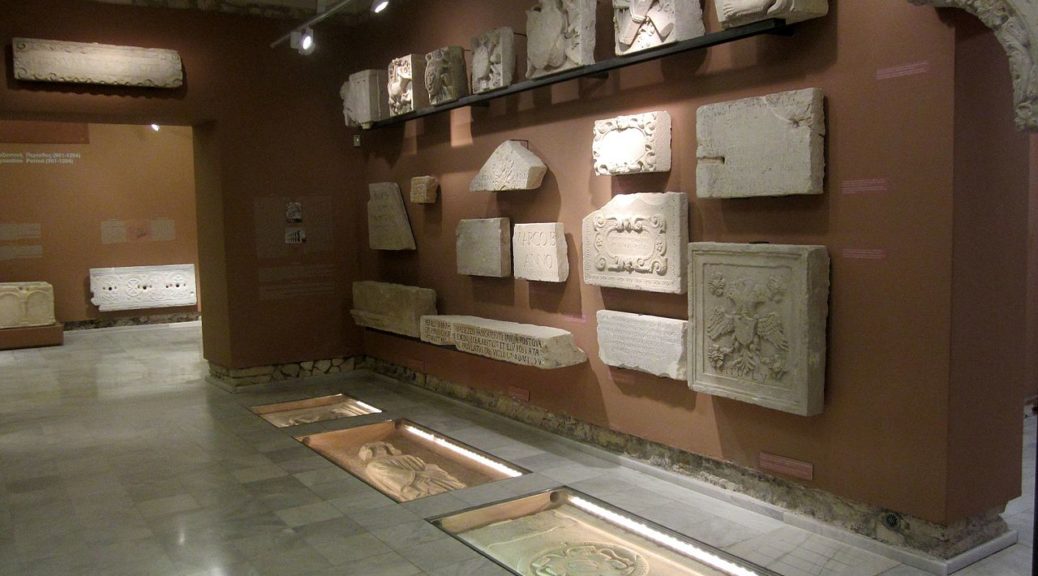
Het Historisch Museum van Kreta biedt een compleet en uitgebreid beeld van de geschiedenis van het eiland en bevindt zich in het centrum van Heraklion.

Natuurhistorisch Museum van Heraklion

Natuurhistorisch Museum van Heraklion

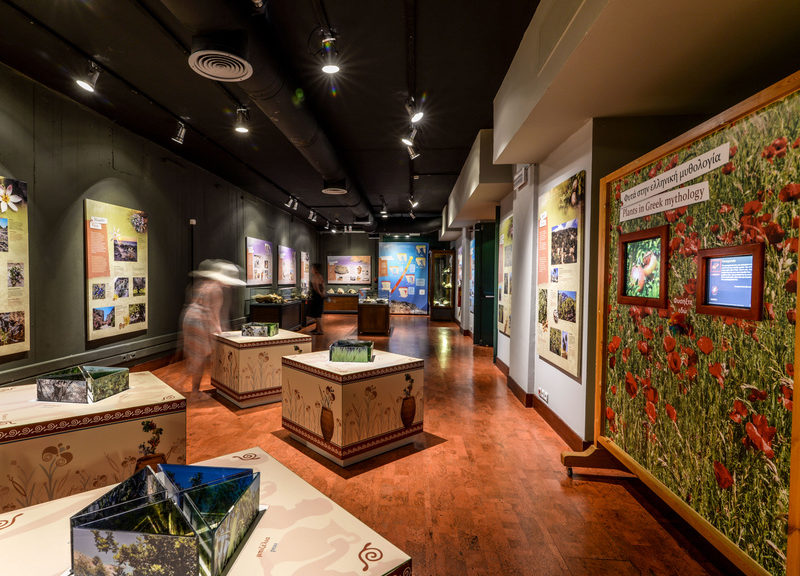
The Natural History Museum of Crete functions as part of the School of Sciences of the University of Crete and is located in the centre of the Heraklion. Despite what the title suggests, it does not only present the natural wealth of the island but also of the rest of Greece and the Eastern Mediterranean. It has been awarded for its “diverse educational, research, writing and publishing work, its exemplary organization and its promotion of scientific research and training” with…

Lees Meer Lees Meer

Archeologisch Museum van Heraklion

Archeologisch Museum van Heraklion

The Archaeological Museum of Heraklion is located in the center of the city and is one of the most important archaeological museums in the world. It houses an unrivaled collection of artifacts from the Bronze-age Minoan culture – the first of note on what is now European soil and is one of the most important collections of history in Europe and Crete. The exhibits cover a period of ten millennia, from the Neolithic era until late Roman times.

History of Heraklion – Crete

History of Heraklion – Crete

De geschiedenis van Heraklion gaat vele eeuwen terug en omspant verschillende tijdperken en omvat een verscheidenheid aan thema's en invloeden. Enkele van de vroegste voorbeelden die bezoekers in Heraklion zullen ontdekken, stammen uit het post-Minoïsche tijdperk, met als meest opvallende voorbeeld het paleis van Knossos.
nl_NLNL