Heraklion

Also available in English German French Italian Dutch Polish

Heraklion, isola di Creta, Grecia

Heraklion is the largest city of Crete and the island’s capital. Its history properly begins in post-Minoan times. Today it is a modern, lively town and an important economic centre. It preserves traces of its long history and the conquerors who passed through.

Heraklion oggi

Heraklion is a large modern city, cosmopolitan and busy year-round. It is an important economic centre with a rich cultural life and the most populated city on the island. As in any big city, and in addition to the museums, and attractions, it is worth your while to enter into Heraklion’s rhythm of life: to saunter along the pedestrian streets of its historic centre, to lose yourself in the alleyways of the Città vecchia, per prendersi tutto il tempo necessario nei bar e nei raki-joint che fanno parte della cultura di Heraklion.

Negli ultimi anni, molte strade del centro sono state pedonalizzate e collegano i principali monumenti della città. Con lo sviluppo del lungomare, Heraklion inizia nuovamente a volgere il suo volto verso il mare e un centro città più vivace. La strada costiera, che corre verso ovest da Nea Alikarnassos ad est, passa attraverso il porto veneziano e si dirige verso il Stadio PanCretan: ha alcune piste ciclabili, e alcuni dei principali monumenti recentemente restaurati (come la chiesa di Pietro e Paolo). Offre un luogo ideale per una piacevole passeggiata a piedi o in bicicletta.

Inoltre, in estate, vale la pena di assistere ai numerosi eventi culturali che si tengono nel fossato dell'edificio. Pareti veneziane (i teatri all'aperto di Nikos Kazantzakis, e Manolis Hatzidakis), oppure nelle porte e nelle gallerie delle mura di fortificazione, recentemente ristrutturate e trasformate in spazi espositivi.

Una passeggiata nella città di Heraklion

I disastri naturali, i bombardamenti di LA SECONDA GUERRA MONDIALE, regrettable decisions by the local authorities of the past (and not so distant past), as well as the rapid development of the recent decades – all have been responsible for the loss of many of the city’s monuments and to a great degree the fabric of the Città vecchia. Eppure, anche così, il visitatore avrà molto da vedere, soprattutto nel centro storico. L'antico convive con il nuovo e la struttura di base del cuore storico è rimasta immutata per secoli.

A partire dal Piazza del Leone, dove il  Fontana Morosini Il visitatore può passeggiare in quello che era il cuore dell'area amministrativa veneziana. A pochi metri si trova la  Basilica di Agios Markos, dedicato al santo patrono di Venezia. Poi, il Loggia, uno dei più splendidi edifici veneziani dell'isola, dove si riuniva il Club dei nobili veneziani; e poi giù per la strada (Via 25 agosto) con gli imponenti edifici neoclassici e le Piazza di Agios Titos with the church of the same name – an unusual ecclesiastical structure (This was first a Byzantine basilica, was converted to a Catholic church, and then a mosque; it was rebuilt as a mosque, and now is an Orthodox church again). At the bottom of the street, we reach the Venetian harbour, over which the Koulehas che si sono susseguiti nei secoli. Anche qui si trovano le rimesse per le navi, le Arsenali veneziani.

Lo splendore non finisce qui! Il Pareti veneziane, le più grandi opere difensive del Mediterraneo orientale, invitano all'esplorazione. Diverse porte, gallerie e bastioni sono aperti al pubblico e accolgono numerosi visitatori; ospitano anche mostre culturali, soprattutto nei mesi estivi.

La città moderna di Heraklion

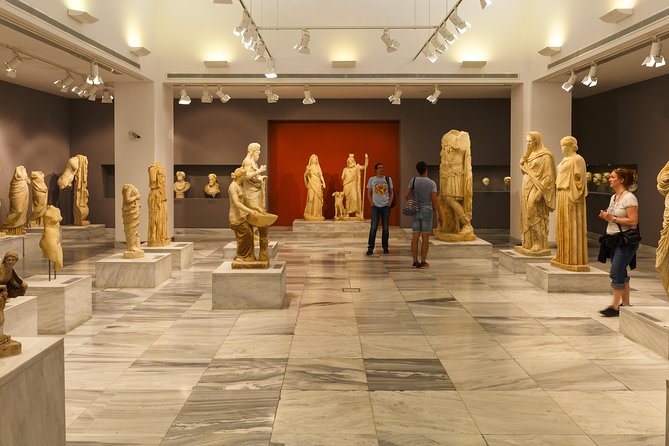
Naturally one must not miss out on the city’s museums, which are counted amongst the most worthwhile in the country. The Museo Archeologico di Heraklion (da Piazza della Libertà) custodisce tutti i tesori minoici provenienti dai palazzi e da altri venerati siti minoici che sono stati scavati. Tra questi, si possono ammirare gli affreschi della Palazzo di Cnosso, il famoso orecchino con le due api su un pettine o una testa di fiore da Malia, il Disco Phaistos, the stone vase in the shape of a bull’s head and so on.

Il Museo storico (a ovest del porto veneziano) ospita oggetti che raccontano la storia millenaria dell'isola, nonché gli oggetti personali di Nikos Kazantzakis e due famosi dipinti di El Greco.

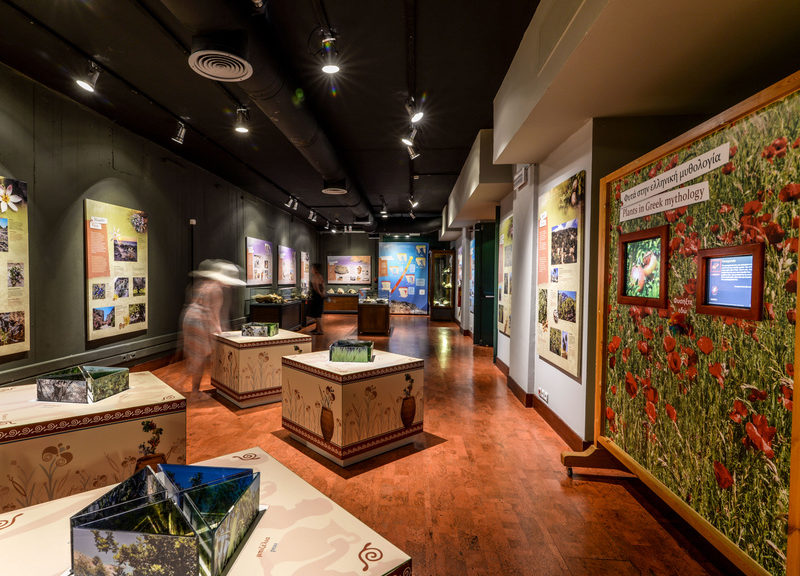
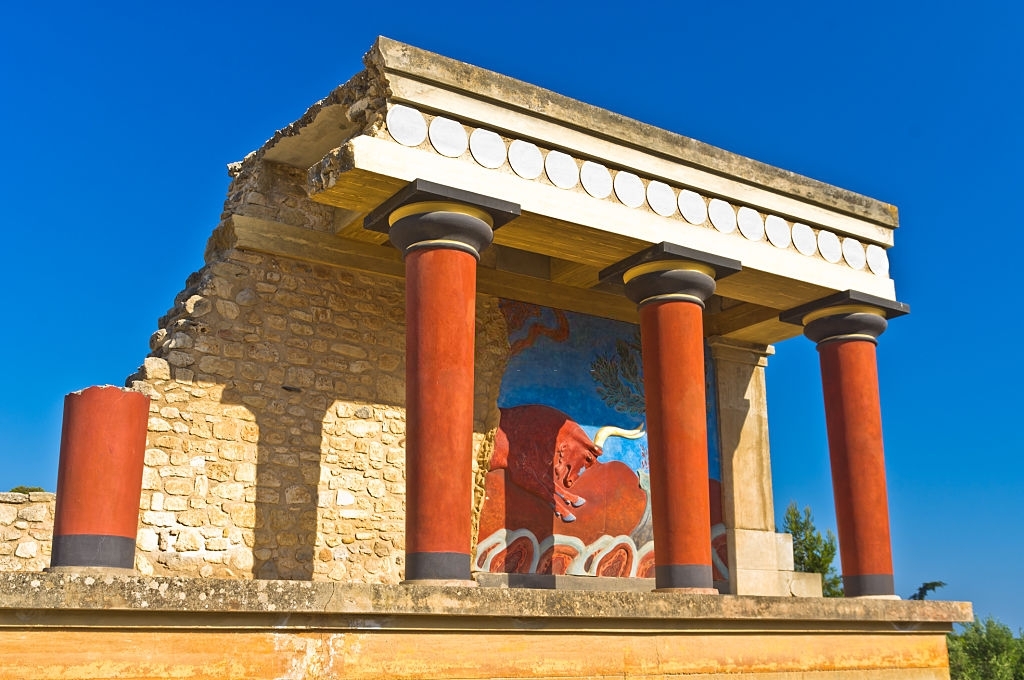
Un altro importante museo della città è quello di Storia naturale (un po' più a ovest del Museo storico): si trova in uno storico edificio industriale sul lungomare. Copre la ricca fauna e flora di Creta e del Mediterraneo in generale. Ci sono diverse mostre interattive, una sala che simula i terremoti e un'ampia sezione didattica per i bambini. Poco fuori città si trovano altre due importanti attrazioni. Il Palazzo di Cnosso, uno dei siti archeologici più frequentati della Grecia (dopo quello di Acropoli di Atene) offre ai visitatori la possibilità unica di apprezzare lo stile di vita minoico. Più a est, a Gouves, si trova la Cretaquarium, where one can observe sea creatures and plants – including rare species, such as the loggerhead turtles (Caretta Caretta).

Saint Titus Church (Agios Titos) – Heraklion

Saint Titus Church (Agios Titos) – Heraklion

La chiesa di Agios Titos fu costruita originariamente dopo la liberazione di Creta da parte di Nikiforos Fokas nel 961 d.C.. Durante il periodo veneziano fu convertita in chiesa cattolica, ma non perse il suo carattere bizantino.

Venetian walls & gates in Heraklion

Venetian walls & gates in Heraklion

Already from the years of the First Byzantine Period (330-840 AD), the city of Heraklion had fortifications which were completed by both the Arab conquerors (840-961 AD) and the Byzantines (961-1204 AD) as well as by the Venetians after 1211 AD. However, the emerging threat of the Turks forced Venice to fortify the capital of Regno di Candia in the most modern and effective way at the time. The form of fortifications we see today is based on drawings by…

Leggi tutto Leggi tutto

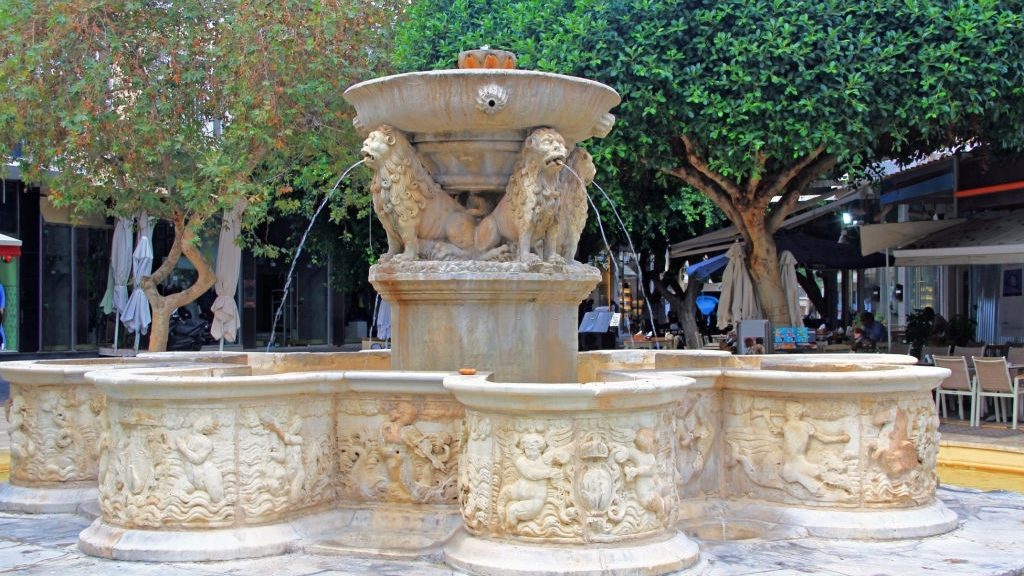
Morosini Fountain (Lions Square) – Heraklion

Morosini Fountain (Lions Square) – Heraklion

One of the most brilliant monuments of the city of Heraklion is the Fountain of Morosini or the “Lions“, as the residents of Heraklion call it.

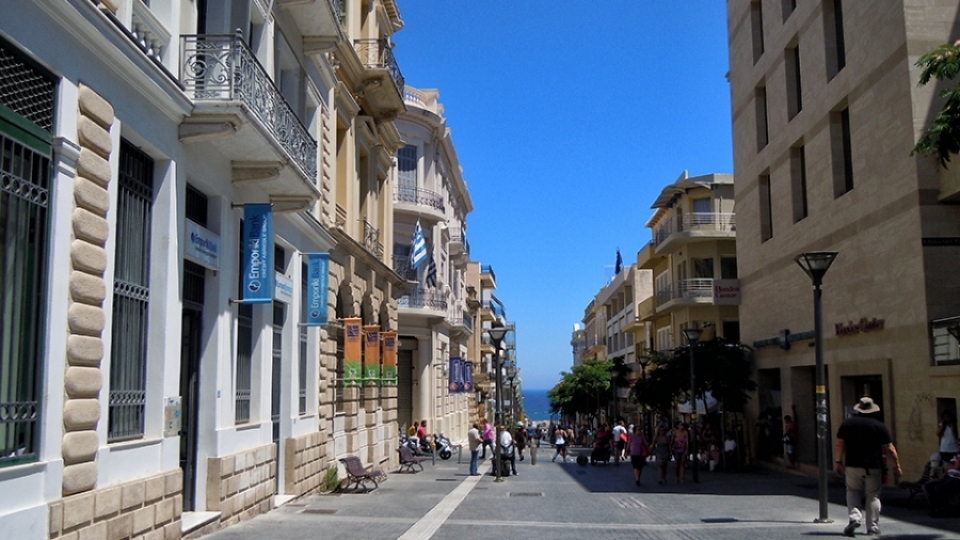
August 25 street – Heraklion

August 25 street – Heraklion

Already from the Venetian period, August 25 Street in Heraklion was one of the most important streets in the city even though it had not acquired its name yet. The road connects the port with Saint Mark’s square, and this is where the palatial mansion of the Venetian Duke was built.

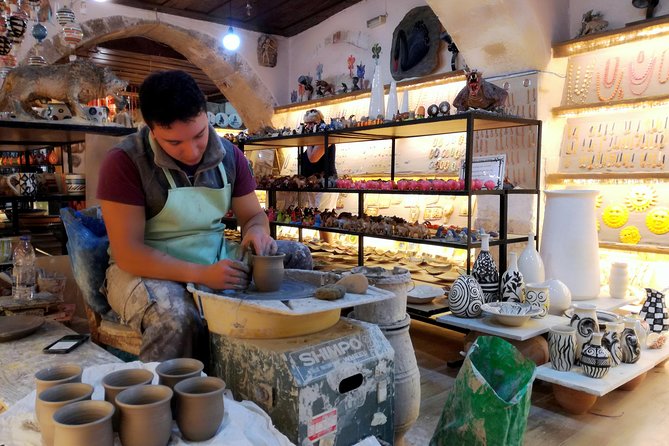
Keramos Pottery Workshop – Fodele

Keramos Pottery Workshop – Fodele

The pottery workshop “Keramos” is located in the village of Fodele, a place with characteristic natural beauty but also a special historical and artistic charge since, among other things, it is the special homeland of Dominikos Theotokopoulos.

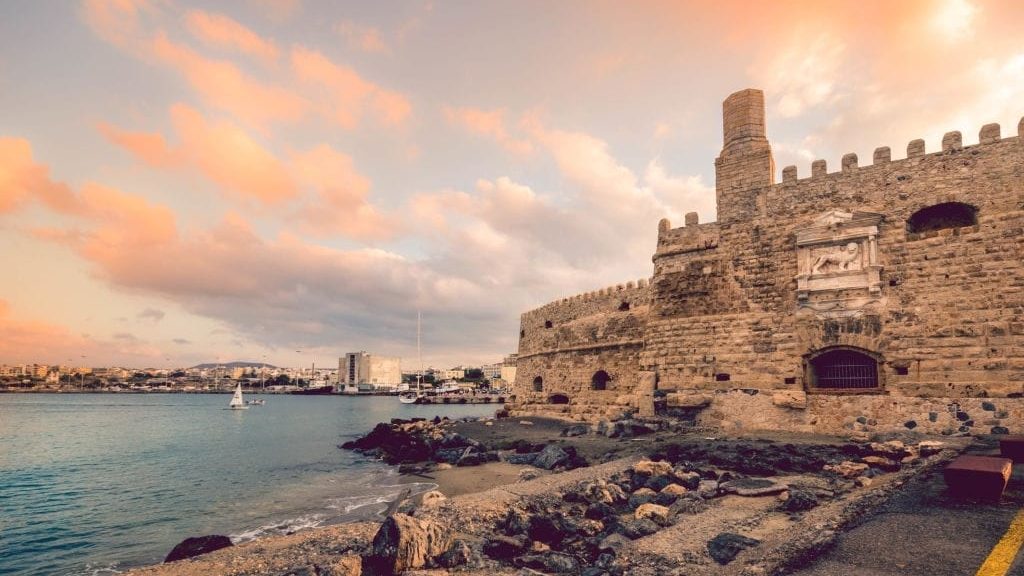
Fortress of Koules – Heraklion

Fortress of Koules – Heraklion

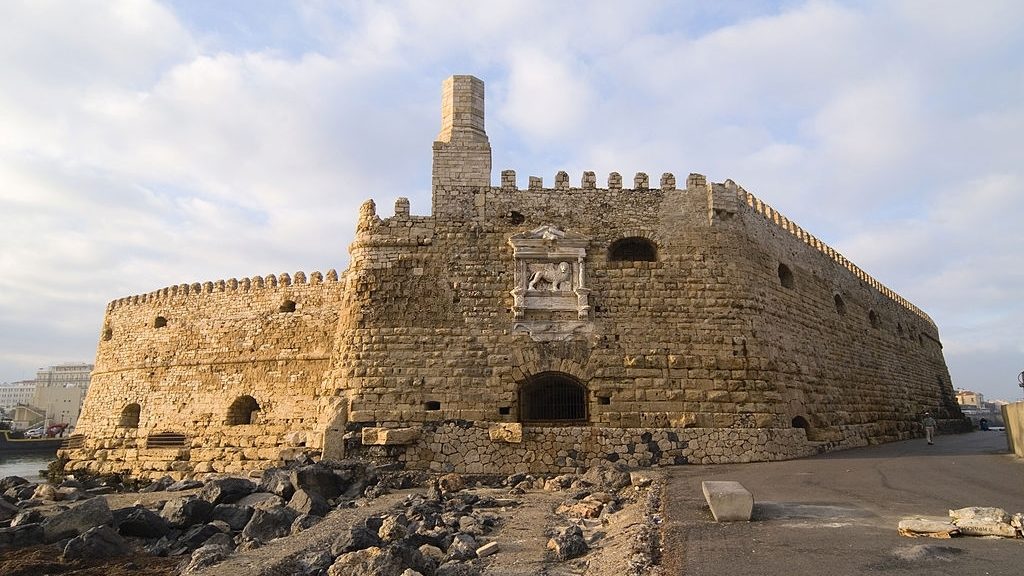
La Fortezza di Koules nella città di Heraklion fa parte delle opere di fortificazione condotte dai veneziani nel XVI secolo, quando faceva parte della Repubblica di Venezia, per difendere la città portuale dagli aggressori. Furono costruite due fortezze alla fine di ogni molo, ma solo la più grande, la cosiddetta Koules, sopravvive oggi.

Agios Minas Church – Heraklion (Saint Minas)

Agios Minas Church – Heraklion (Saint Minas)

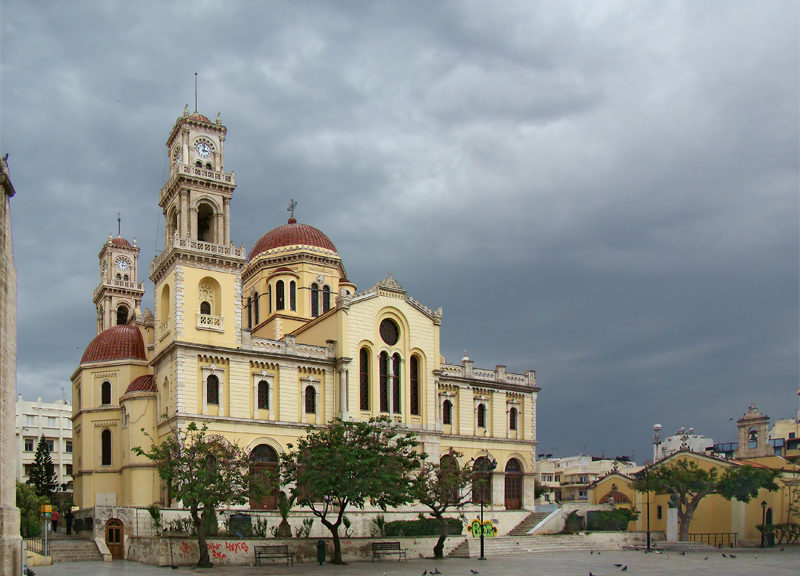
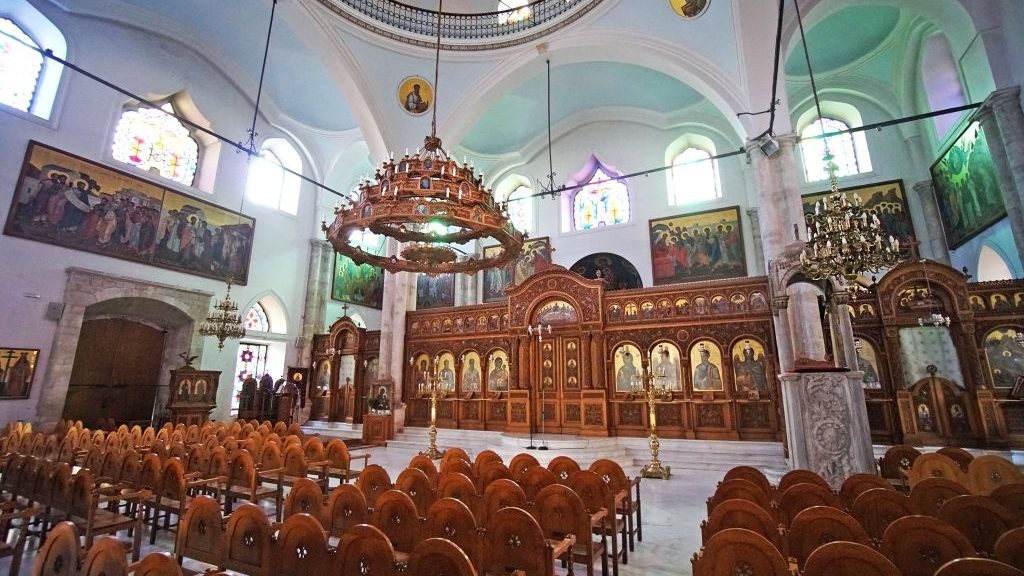
The cathedral of Saint Minas, patron saint of Heraklion since 1734 is located near the centre of the city following Vikela Street and then entering Agiou Mina Street. Near the cathedral, a much smaller and older church known as “Little Saint Minas” can also be seen. On the other side of the square, we find the church of Saint Catherine, and the square that is named after it, full of vibrant cafes, restaurants and shops.

Moni Varsamonerou

Moni Varsamonerou

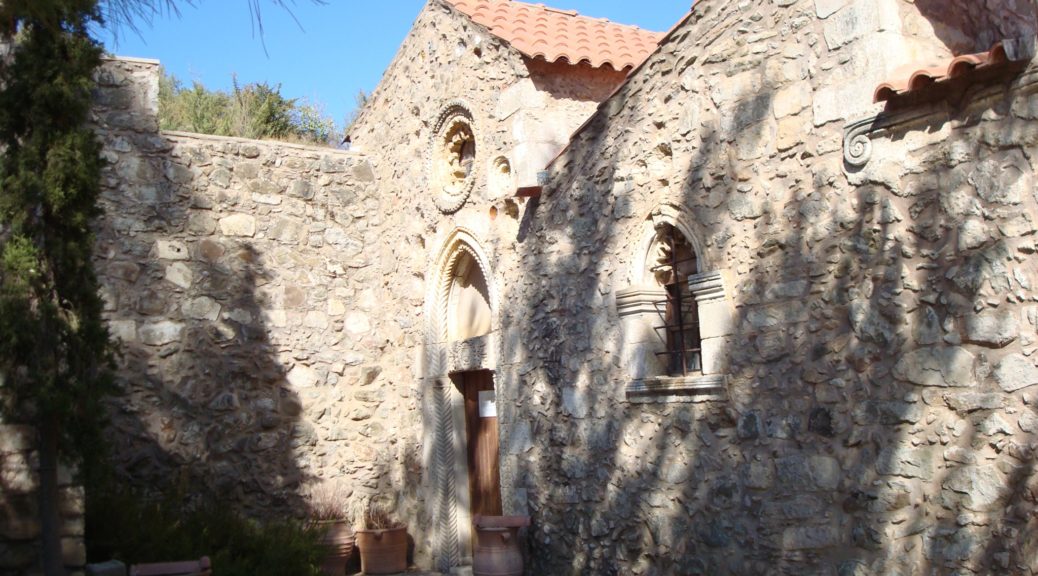
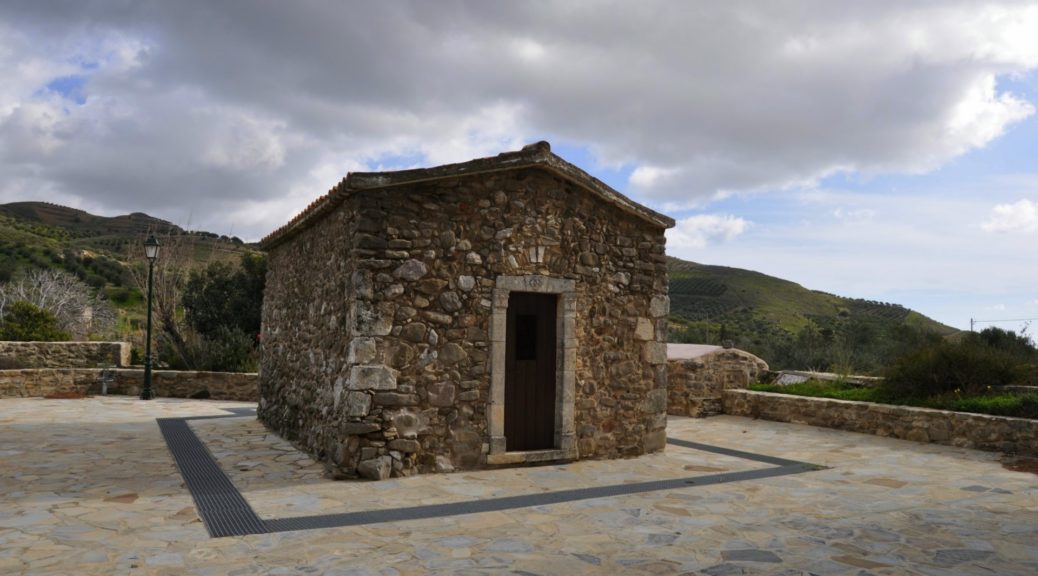
Il monastero di Varsamoneros era uno dei centri più importanti della scuola agiografica cretese ed è collegato al monastero di Vrontisiou. La maggior parte degli edifici del monastero è oggi distrutta e si sono conservati solo pochi elementi architettonici del complesso.

Antichi monasteri a Viannos

Antichi monasteri a Viannos

The municipality of Viannos in the southeastern part of Heraklion is known for its wild beauty. Located at the foothills of Mount Dikti, it offers impressive geomorphological formations, beautiful plateaus and charming villages. During World War II, Viannos found itself at the centre of a mass extermination attack by Nazi soldiers, in reprisal for their support of the rebel forces. Most of the villages in the area were burned and looted while more than 500 people were executed during a…

Leggi tutto Leggi tutto

Venetian Loggia – Heraklion Town Hall

Venetian Loggia – Heraklion Town Hall

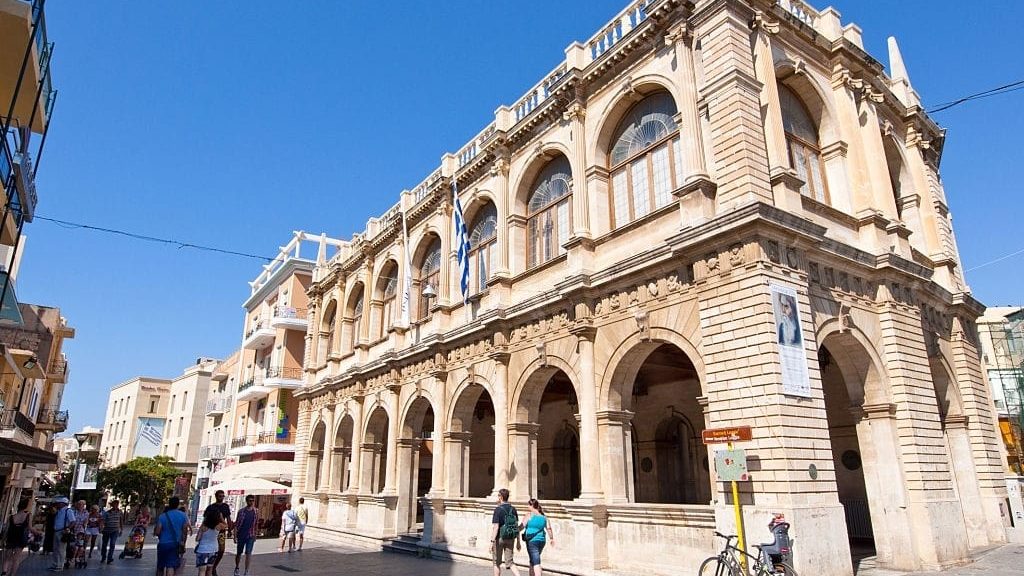
The Loggia (from the Italian word for “lodge“) is one of the most important buildings of the Venetian period in Crete. It was a kind of gentleman’s club, where the rich nobles and lords gathered. The building was built after 1541 probably with designs by Michel Sammicheliin Palladian style.

Laboratorio musicale sul labirinto

Laboratorio musicale sul labirinto

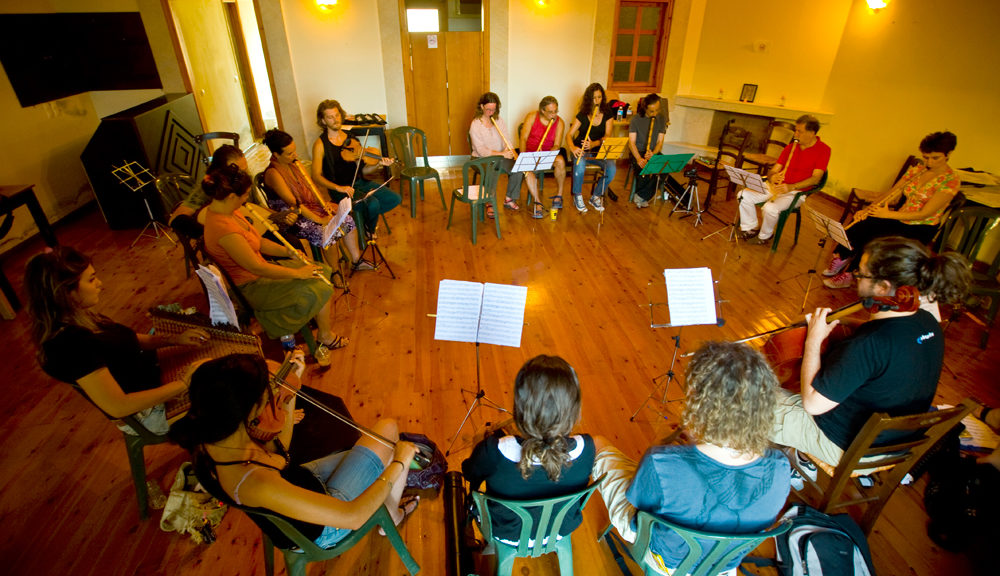
The Labyrinth Music Workshop was founded in 1982 by Ross Daly. The main object is to introduce young people to a creative approach to musical traditions from all over the world. Since 2002, the Labyrinth Music Workshop in collaboration with the Municipality of “Nikos Kazantzakis”, houses its activities in an old building, tastefully designed, in the village of Houdetsi (20 km from Heraklion) under the artistic direction of Ross Daly.

Museo storico di Creta

Museo storico di Creta

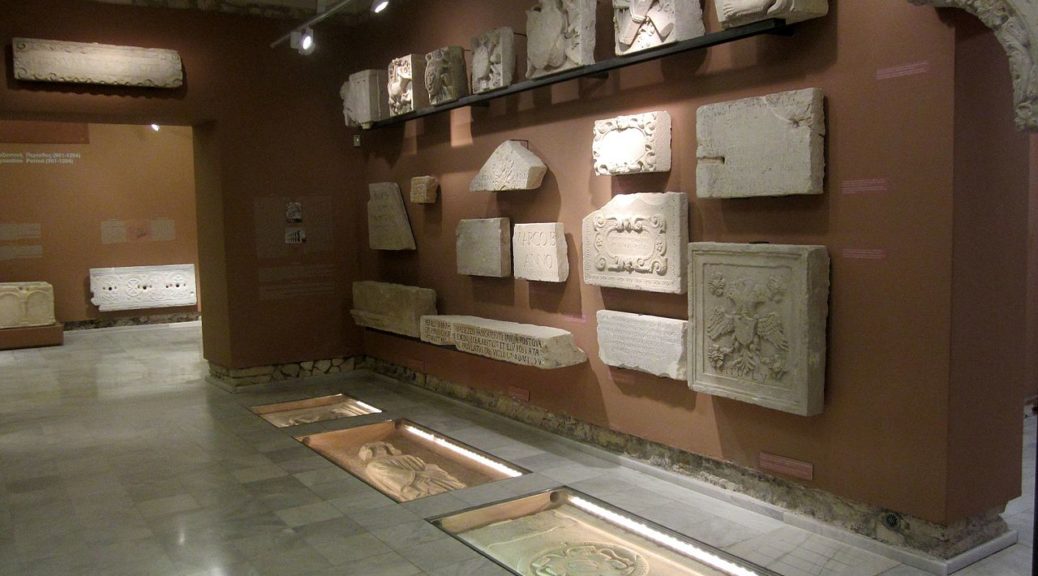
Il Museo Storico di Creta offre una visione completa ed esaustiva della storia dell'isola e si trova nel centro di Heraklion.

Museo di Storia Naturale di Heraklion

Museo di Storia Naturale di Heraklion

The Natural History Museum of Crete functions as part of the School of Sciences of the University of Crete and is located in the centre of the Heraklion. Despite what the title suggests, it does not only present the natural wealth of the island but also of the rest of Greece and the Eastern Mediterranean. It has been awarded for its “diverse educational, research, writing and publishing work, its exemplary organization and its promotion of scientific research and training” with…

Leggi tutto Leggi tutto

Museo Archeologico di Heraklion

Museo Archeologico di Heraklion

The Archaeological Museum of Heraklion is located in the center of the city and is one of the most important archaeological museums in the world. It houses an unrivaled collection of artifacts from the Bronze-age Minoan culture – the first of note on what is now European soil and is one of the most important collections of history in Europe and Crete. The exhibits cover a period of ten millennia, from the Neolithic era until late Roman times.

History of Heraklion – Crete

History of Heraklion – Crete

La storia di Heraklion risale a molti secoli fa e attraversa epoche diverse, racchiudendo una varietà di temi e influenze. Alcuni dei primi esempi che i visitatori potranno esplorare a Heraklion risalgono all'epoca post-minoica, e l'esempio più notevole è il Palazzo di Cnosso.
it_ITIT