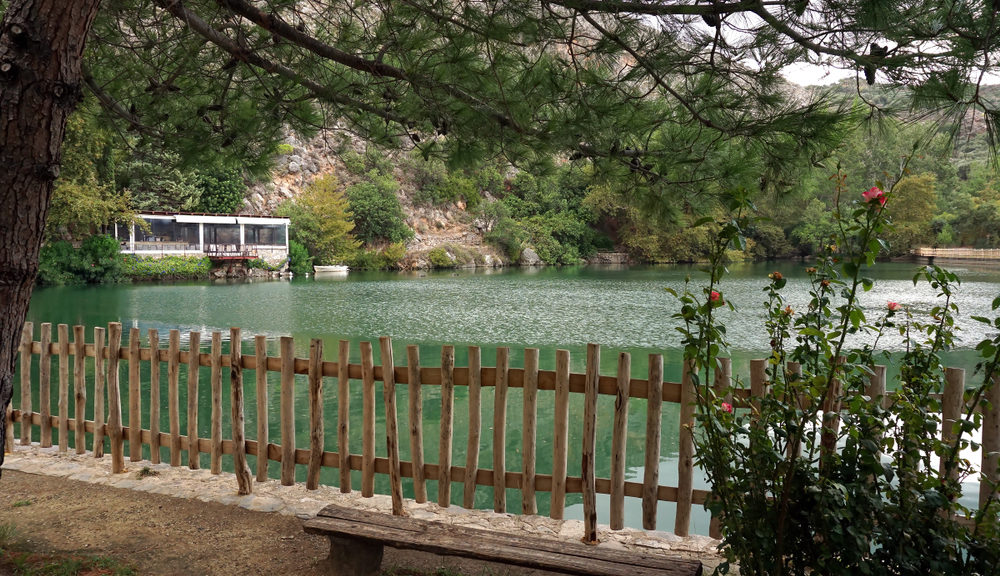
Lake Votomos is a small lake, close to the village of Zaros on the southern side of the Rouvas forest. This small village on the foothills of Mount Psiloritis in central Crete is close to a lot of archaeological sites and monasteries but is mostly visited by those seeking to explore the natural beauty of the area. The E4 European long-distance path travels through the village; the north route takes you through the forest of Zaros towards the village of…
Leggi tutto Leggi tutto
La foresta di Selakano è un'area di selvaggia bellezza e uno degli ecosistemi più importanti dell'isola, incluso nella rete Natura 2000. La foresta di pini, in un ambiente montano, inizia a circa 35 km a nord-ovest di Ierapetra e risale i pendii sotto la cima di Afendi Christos del massiccio di Dicte (o Dikti).
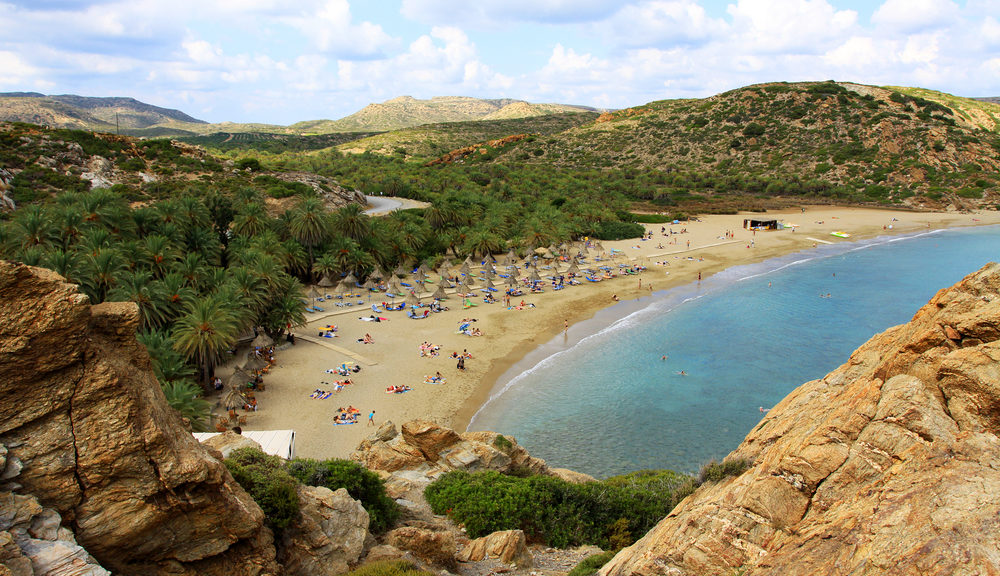
Vai palm forest lies in a beautiful valley, by a sandy beach, just north of ancient Itanos: 28 km from Sitia, 8 from Palaikastro and 6 from Toplou. Covering 200 stremmata (50 acres), it is made up of the native Theophrastus palms – the largest palm grove not only in Greece but in all of Europe.
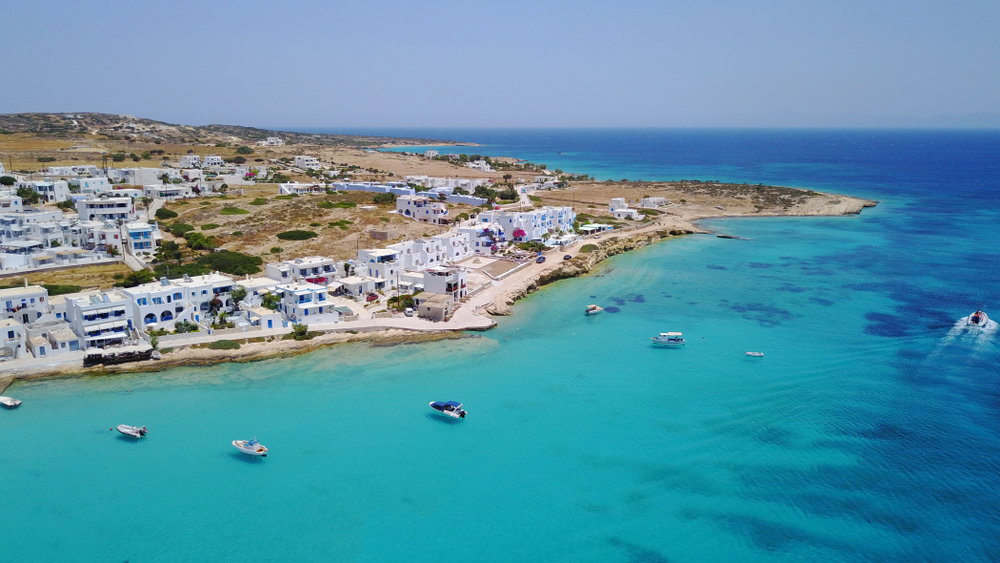
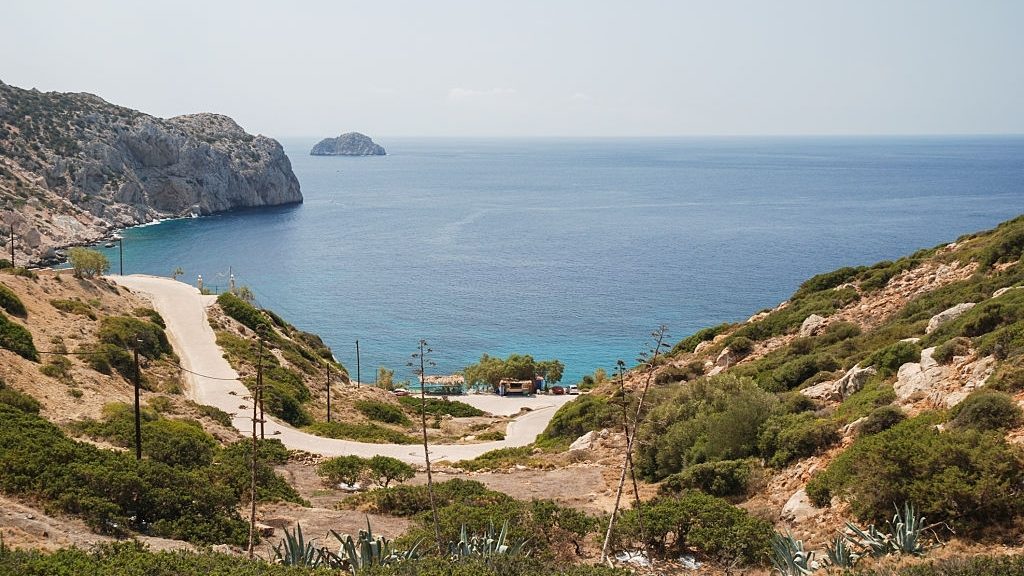
Koufonisi is a tiny Greek island, located on the southwestern coast of Crete in the Libyan Sea. While it is only 5.25 square kilometres in size, the wealth of archaeological finds have termed Koufonisi, “little Delos”. Together with the main island, the region includes smaller islets – Stronguli, Makrouli and Marmara to the north, as well as Trachilos to the south. The sea comprises 60% of the designated territory.
The forest of Trigiodo – Vroulidia is an important ecosystem centred on an oak forest. It occupies the inner valley of a mountain massif near Anogia, one of the most well known touristy villages in Crete island, which borders the Zominthos region. Anogia rests on the slopes of Mount Psiloritis at an altitude of 700 m and is the birthplace of the famous Greek singer Nikos Xylouris.
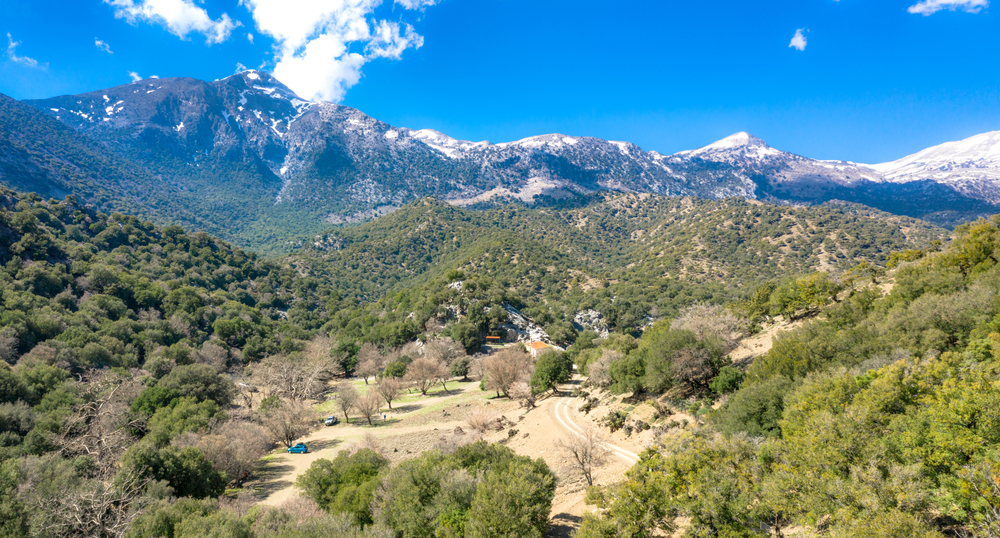
La foresta di Rouvas è un ecosistema vitale, basato principalmente su un bosco di querce, e uno dei più importanti e preziosi boschi di querce rimasti sull'isola di Creta. Copre le pendici interne di Psiloritis ed è delimitata dalle cime di Ambelakia e Samari a sud, Chalazokephala a ovest, Skinaka e Koudouni a nord e Gyristi a est. La foresta copre circa 30.000 stremmata (7400 acri).
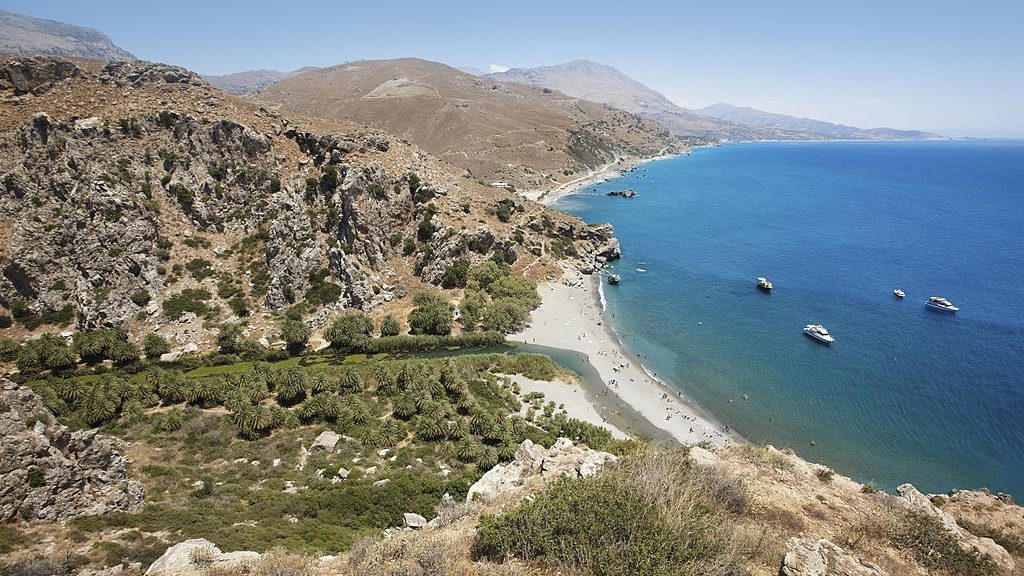
La zona di Preveli, sulla costa meridionale dell'isola, è senza dubbio una delle più suggestive di Creta. Combina l'impressionante geomorfologia della gola di Kourtaliotiko con un ecosistema di rilievo e una spiaggia di rara bellezza; nelle vicinanze si trova anche il Monastero di Preveli, con un piccolo museo che vale la pena visitare per la storia della zona. Il nome Preveli è associato soprattutto alla foresta di palme che circonda la spiaggia.
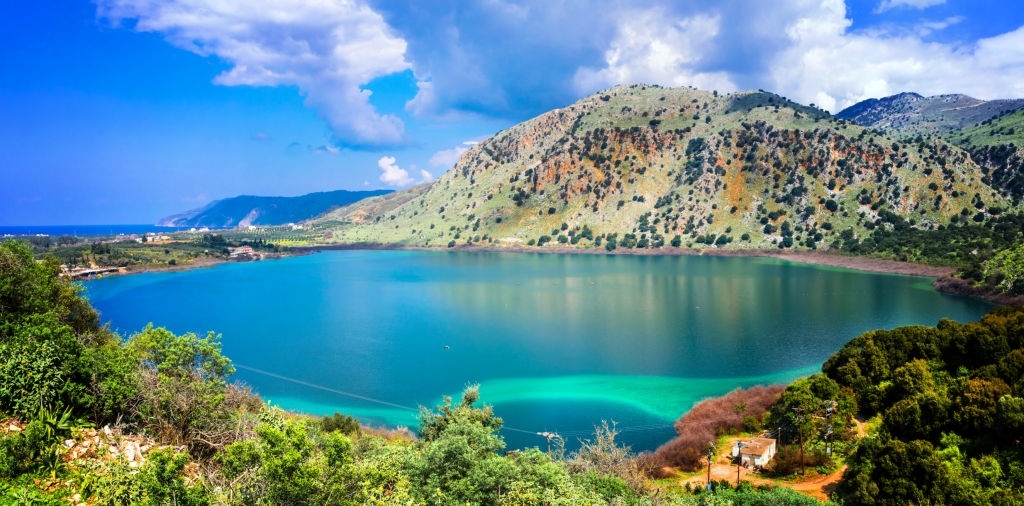
The only freshwater lake on the island of Crete, Kournas Lake, is located at the north edge of the White Mountains, barely 4 km from Georgioupolis, on the borders of Apokoronas. The name – Kournas – probably comes from the Arab word for lake/tub – or perhaps the word for a tap. In the past, it was called Korisia. Some believe there was a temple here to Athena Korisias. The lake creates a fascinating environment, which constantly changes with the…
Leggi tutto Leggi tutto
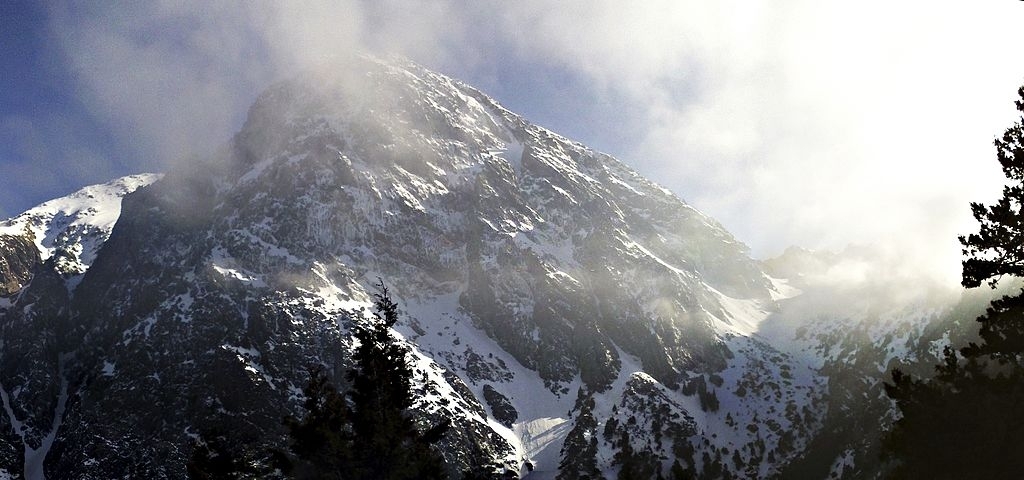
Il picco Gigilos, situato nella catena dei Monti Bianchi nella regione di Sfakia, è considerato una delle cime più incantevoli di Creta. Sorge dalle profondità della gola sotto Xyloskalo e si erge sfiduciato e brullo, di colore cenerino, ma non di spirito, come suggerirebbe il suo antico nome.
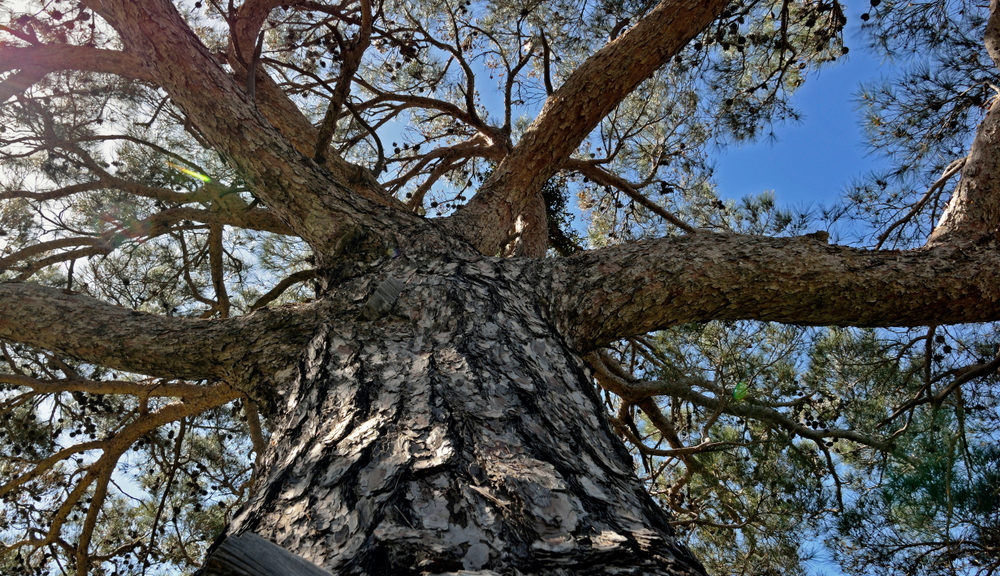
Una delle foreste più estese di Creta è la pineta di Simi, dove la specie dominante è il pino calabro (Pinus brutia), con ampi popolamenti di querce, cipressi e altre specie come aceri, lecci e agrifogli.

 IT
IT  EN
EN  DE
DE  FR
FR  NL
NL  PL
PL