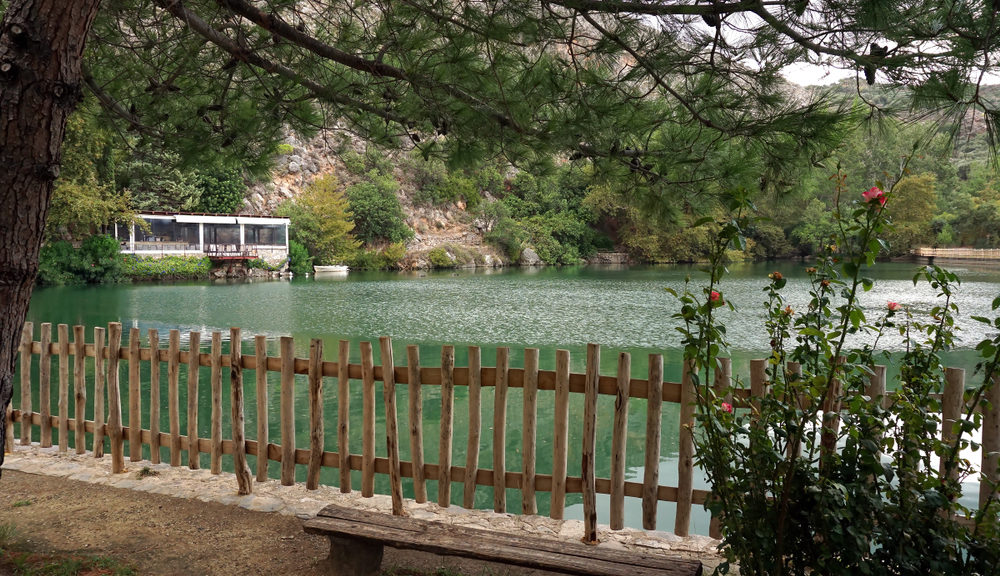
Lake Votomos is a small lake, close to the village of Zaros on the southern side of the Rouvas forest. This small village on the foothills of Mount Psiloritis in central Crete is close to a lot of archaeological sites and monasteries but is mostly visited by those seeking to explore the natural beauty of the area. The E4 European long-distance path travels through the village; the north route takes you through the forest of Zaros towards the village of…
Czytaj więcej Czytaj więcej
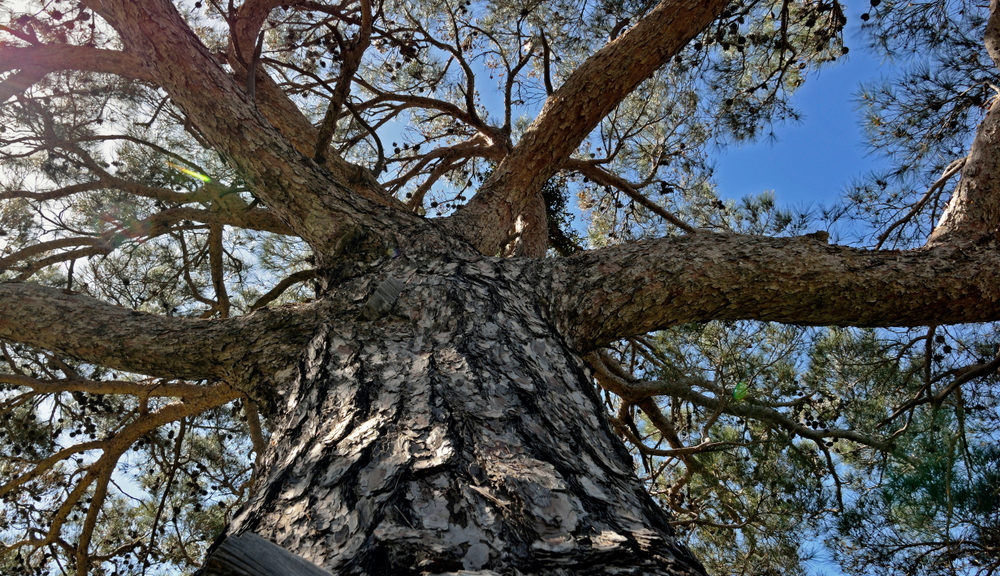
Las Selakano to obszar dzikiego piękna i jeden z najważniejszych ekosystemów na wyspie, objęty siecią Natura 2000. Las sosnowy w otoczeniu górskim zaczyna się około 35 km na północny zachód od Ierapetry i biegnie w górę zboczy poniżej szczytu Afendi Christos w masywie Dicte (lub Dikti).
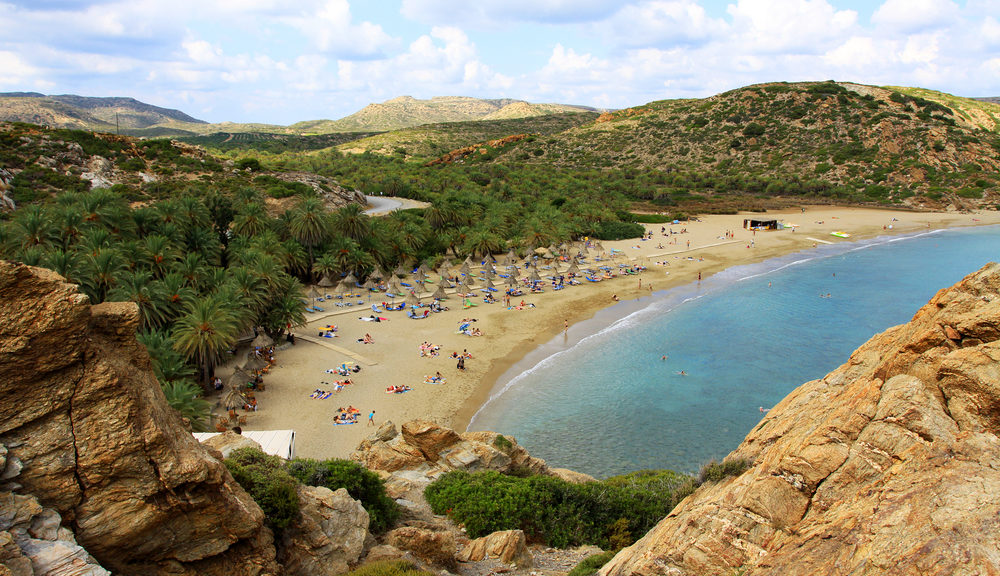
Vai palm forest lies in a beautiful valley, by a sandy beach, just north of ancient Itanos: 28 km from Sitia, 8 from Palaikastro and 6 from Toplou. Covering 200 stremmata (50 acres), it is made up of the native Theophrastus palms – the largest palm grove not only in Greece but in all of Europe.
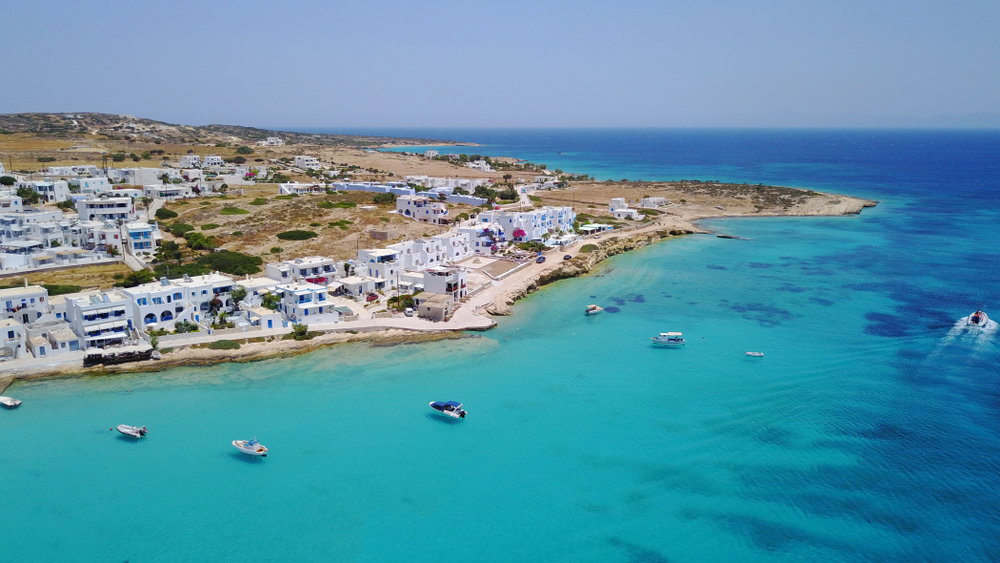
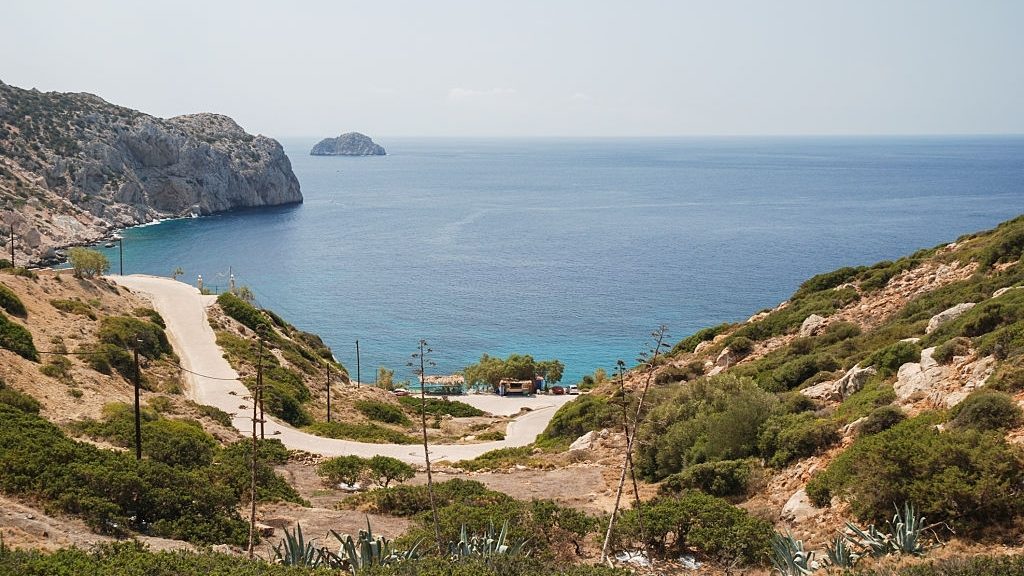
Koufonisi is a tiny Greek island, located on the southwestern coast of Crete in the Libyan Sea. While it is only 5.25 square kilometres in size, the wealth of archaeological finds have termed Koufonisi, “little Delos”. Together with the main island, the region includes smaller islets – Stronguli, Makrouli and Marmara to the north, as well as Trachilos to the south. The sea comprises 60% of the designated territory.
The forest of Trigiodo – Vroulidia is an important ecosystem centred on an oak forest. It occupies the inner valley of a mountain massif near Anogia, one of the most well known touristy villages in Crete island, which borders the Zominthos region. Anogia rests on the slopes of Mount Psiloritis at an altitude of 700 m and is the birthplace of the famous Greek singer Nikos Xylouris.
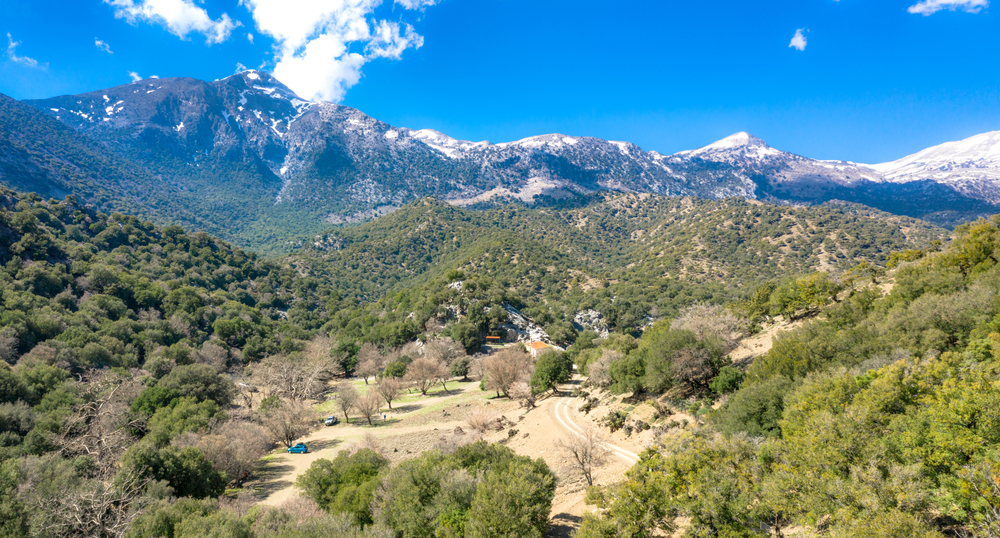
Las Rouvas jest ważnym ekosystemem, opartym głównie na lesie dębowym i jednym z najważniejszych i najcenniejszych lasów dębowych pozostałych na Krecie. Obejmuje śródlądowe zbocza Psiloritis, jest zdefiniowany przez szczyty Ambelakia i Samari na południu, Chalazokephala na zachodzie, Skinaka i Koudouni na północy oraz Gyristi na wschodzie. Las obejmuje około 30 000 stremmata (7400 akrów).
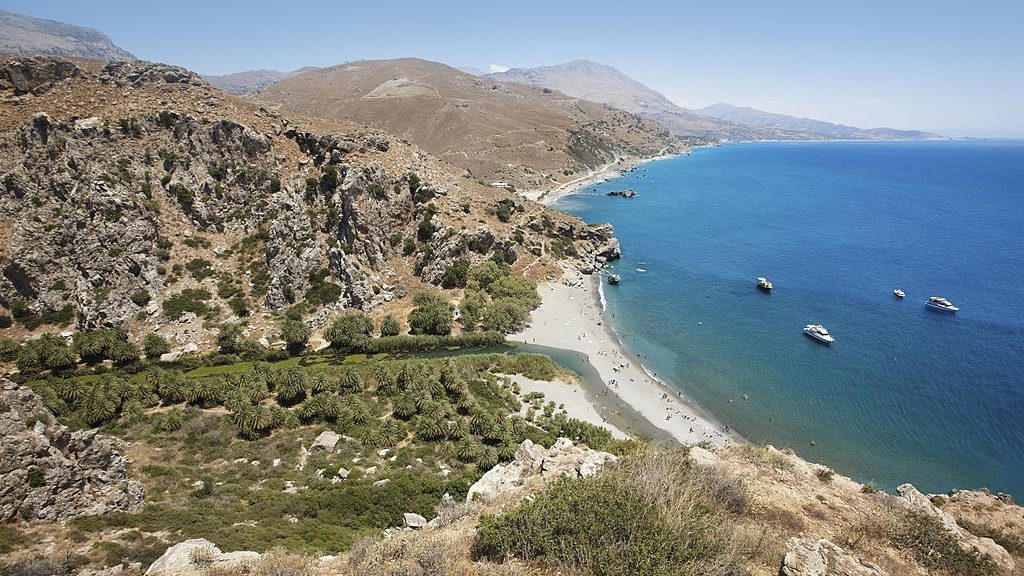
Obszar Preveli na południowym wybrzeżu wyspy jest bez wątpienia jednym z najbardziej uderzających na Krecie. Łączy w sobie imponującą geomorfologię wąwozu Kourtaliotiko z ekosystemem o dużym znaczeniu i plażą o rzadkim pięknie; w pobliżu odwiedzający znajdą również klasztor Preveli z małym muzeum, które warto odwiedzić, aby poznać historię tego obszaru. Nazwa Preveli kojarzy się głównie z lasem palmowym otaczającym plażę.
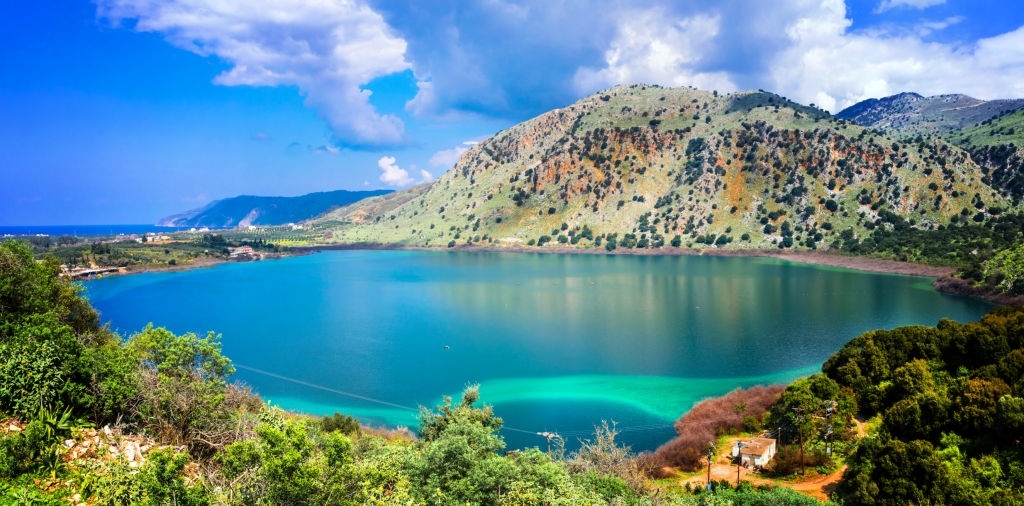
The only freshwater lake on the island of Crete, Kournas Lake, is located at the north edge of the White Mountains, barely 4 km from Georgioupolis, on the borders of Apokoronas. The name – Kournas – probably comes from the Arab word for lake/tub – or perhaps the word for a tap. In the past, it was called Korisia. Some believe there was a temple here to Athena Korisias. The lake creates a fascinating environment, which constantly changes with the…
Czytaj więcej Czytaj więcej
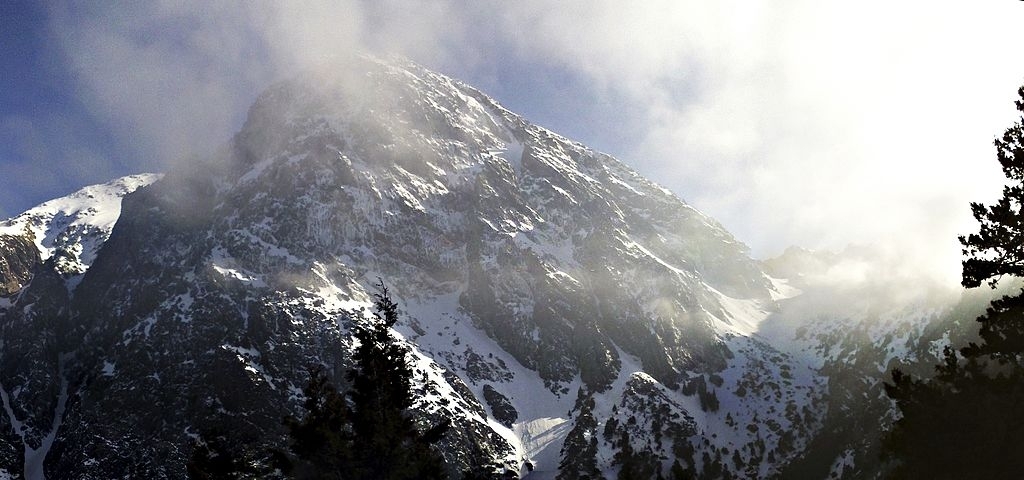
Szczyt Gigilos położony w paśmie Gór Białych w regionie Sfakia jest uważany za jeden z najbardziej urokliwych szczytów górskich Krety. Wynurzając się z głębi wąwozu poniżej Xyloskalo, wznosi się wyzywająco i jałowo, w kolorze popielatym, ale nie w duchu, jak sugerowałaby jego stara nazwa.
Jednym z najbardziej rozległych lasów na Krecie jest las sosnowy Simi, w którym dominującym gatunkiem jest sosna kalabryjska (Pinus brutia) z dużymi drzewostanami dębu, cyprysu i innych gatunków, takich jak klon, dąb szypułkowy i ostrokrzew.

 PL
PL  EN
EN  DE
DE  FR
FR  IT
IT  NL
NL