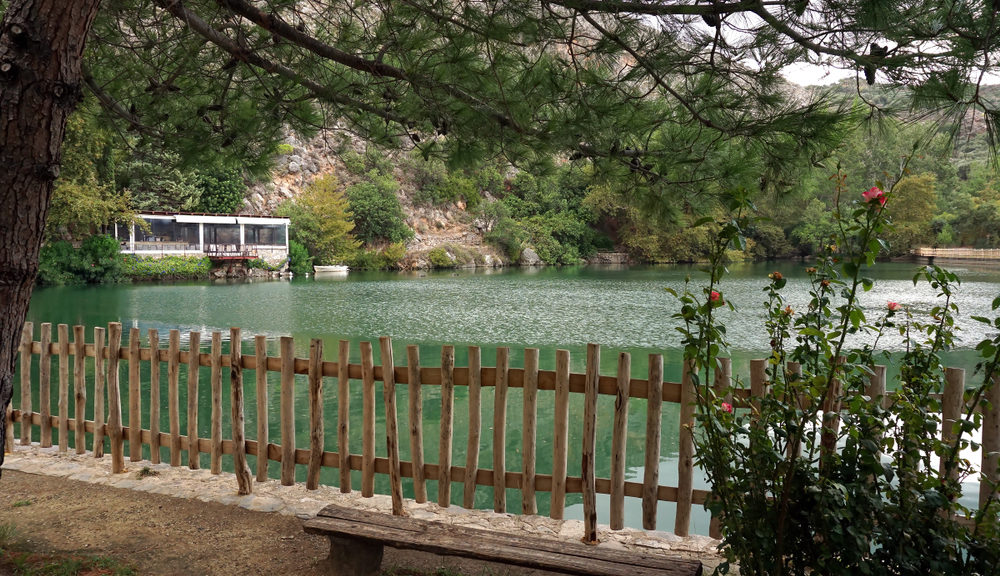
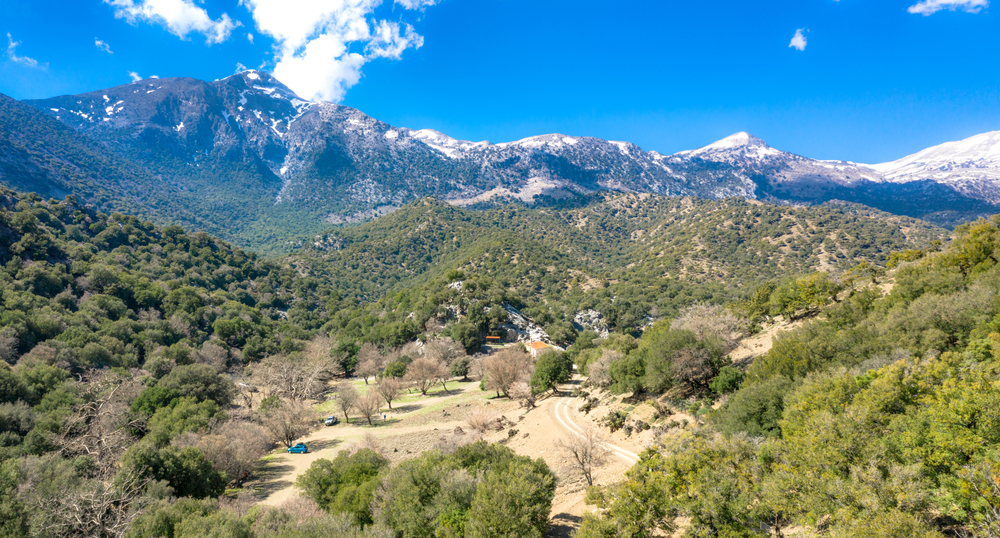
Lake Votomos is a small lake, close to the village of Zaros on the southern side of the Rouvas forest. This small village on the foothills of Mount Psiloritis in central Crete is close to a lot of archaeological sites and monasteries but is mostly visited by those seeking to explore the natural beauty of the area. The E4 European long-distance path travels through the village; the north route takes you through the forest of Zaros towards the village of…
Lees Meer Lees Meer
Selakano Forest is een gebied van wilde schoonheid en een van de belangrijkste ecosystemen op het eiland, opgenomen in het Natura 2000-netwerk. Het dennenbos, gelegen in een bergachtige omgeving, begint ongeveer 35 km ten noordwesten van Ierapetra en loopt verder op de hellingen onder de top van de Afendi Christos piek van het Dicte (of Dikti) massief.
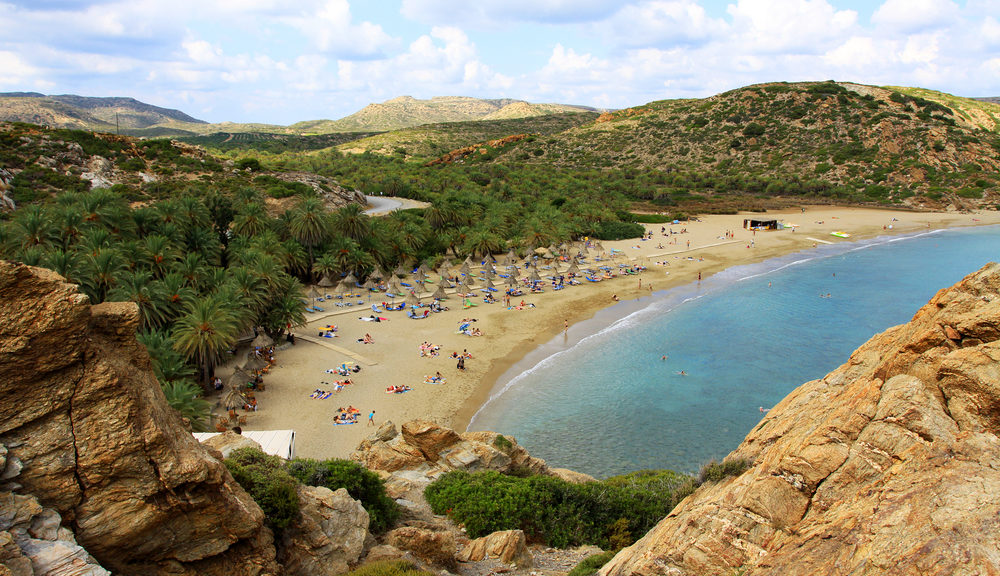
Vai palm forest lies in a beautiful valley, by a sandy beach, just north of ancient Itanos: 28 km from Sitia, 8 from Palaikastro and 6 from Toplou. Covering 200 stremmata (50 acres), it is made up of the native Theophrastus palms – the largest palm grove not only in Greece but in all of Europe.
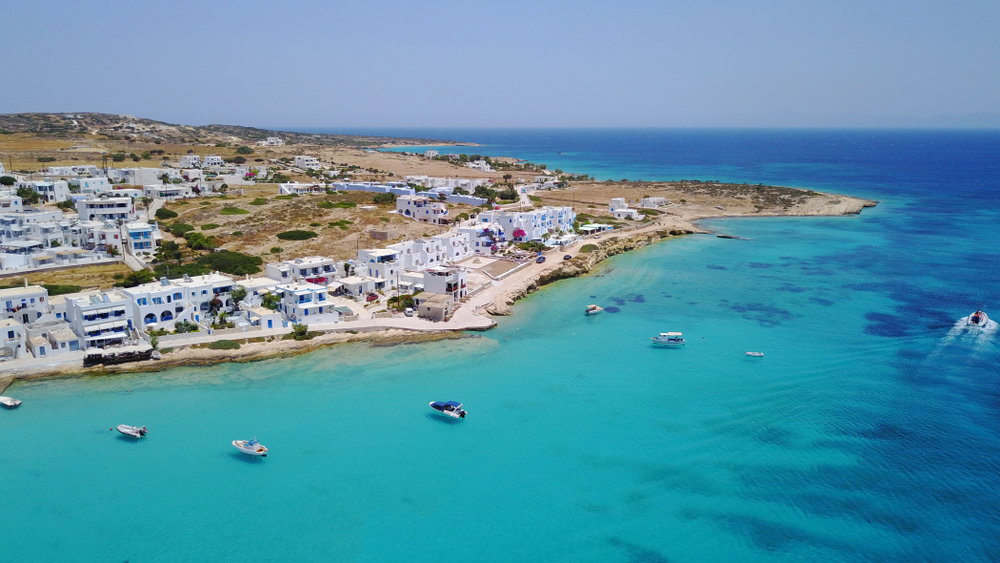
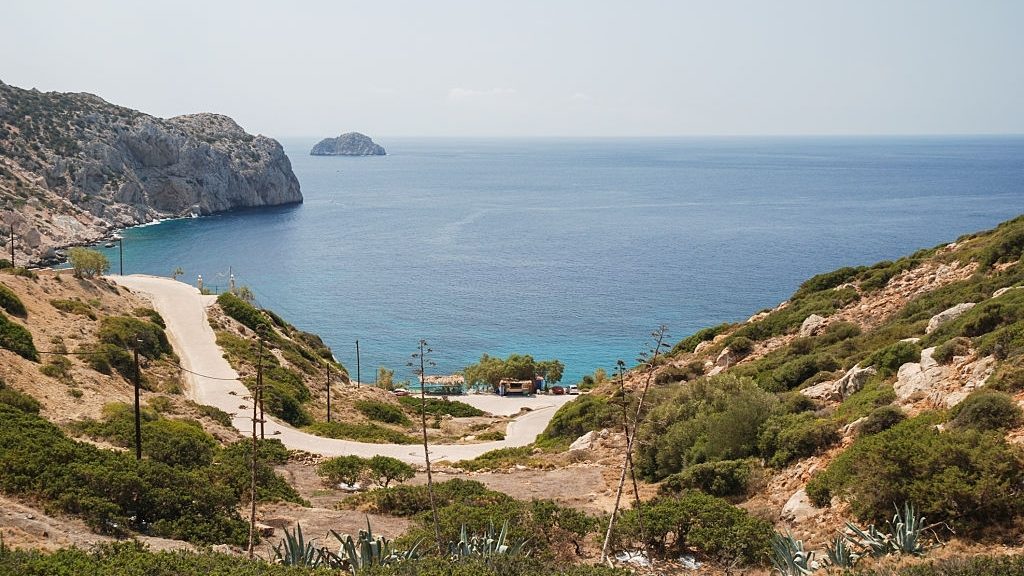
Koufonisi is a tiny Greek island, located on the southwestern coast of Crete in the Libyan Sea. While it is only 5.25 square kilometres in size, the wealth of archaeological finds have termed Koufonisi, “little Delos”. Together with the main island, the region includes smaller islets – Stronguli, Makrouli and Marmara to the north, as well as Trachilos to the south. The sea comprises 60% of the designated territory.
The forest of Trigiodo – Vroulidia is an important ecosystem centred on an oak forest. It occupies the inner valley of a mountain massif near Anogia, one of the most well known touristy villages in Crete island, which borders the Zominthos region. Anogia rests on the slopes of Mount Psiloritis at an altitude of 700 m and is the birthplace of the famous Greek singer Nikos Xylouris.
Het Rouvas-bos is een vitaal ecosysteem, hoofdzakelijk gebaseerd op een eikenbos, en een van de belangrijkste en meest waardevolle eikenbossen die op het eiland Kreta zijn overgebleven. Het beslaat de binnenlandse hellingen van Psiloritis en wordt gedefinieerd door de toppen van Ambelakia en Samari in het zuiden, Chalazokephala in het westen, Skinaka en Koudouni in het noorden en Gyristi in het oosten. Het bos beslaat ongeveer 30.000 stremmata (7400 acres).
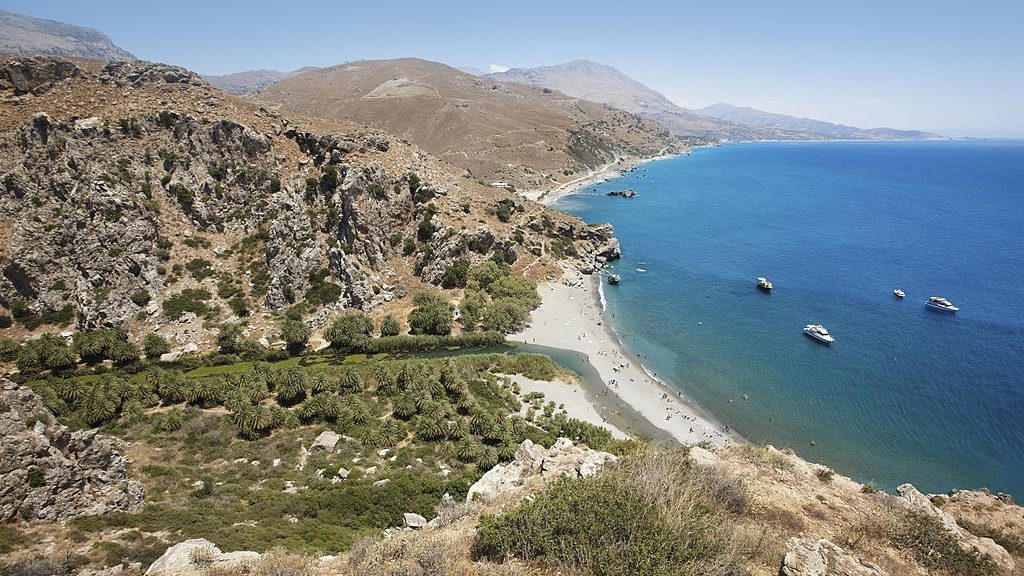
Het gebied van Preveli aan de zuidkust van het eiland is zonder twijfel een van de meest opvallende van Kreta. Het combineert de indrukwekkende geomorfologie van de Kourtaliotiko kloof met een ecosysteem van betekenis en een strand van zeldzame schoonheid; in de buurt vinden bezoekers ook het klooster van Preveli, met een klein museum dat een bezoek waard is voor de geschiedenis van het gebied. Als naam wordt Preveli vooral geassocieerd met het palmbos dat het strand omringt.
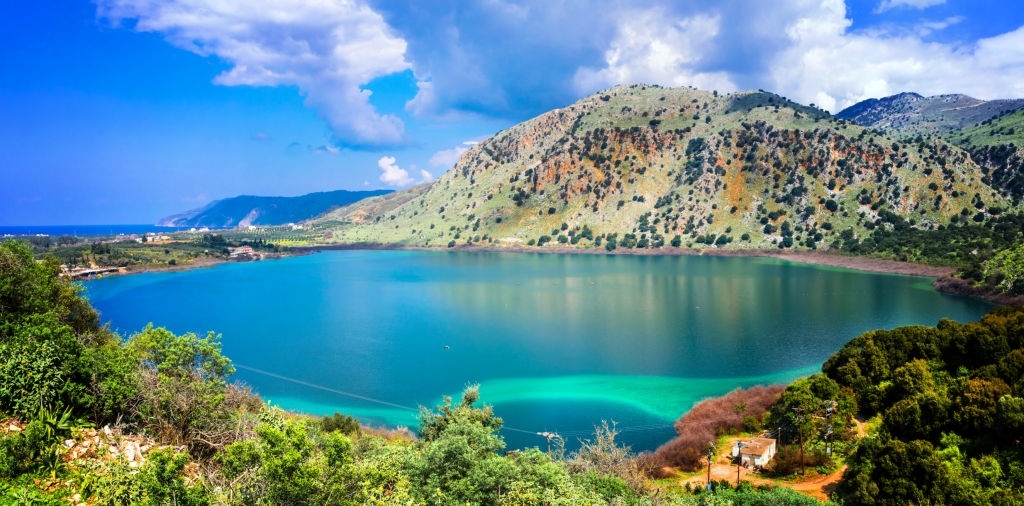
The only freshwater lake on the island of Crete, Kournas Lake, is located at the north edge of the White Mountains, barely 4 km from Georgioupolis, on the borders of Apokoronas. The name – Kournas – probably comes from the Arab word for lake/tub – or perhaps the word for a tap. In the past, it was called Korisia. Some believe there was a temple here to Athena Korisias. The lake creates a fascinating environment, which constantly changes with the…
Lees Meer Lees Meer
De Gigilos-piek in de Witte Bergen in de regio Sfakia wordt beschouwd als een van de meest betoverende bergtoppen van Kreta. Oprijzend uit de diepte van de kloof onder Xyloskalo, rijst hij uitdagend en kaal op, asgrauw van kleur, maar niet van geest, zoals zijn oude naam doet vermoeden.
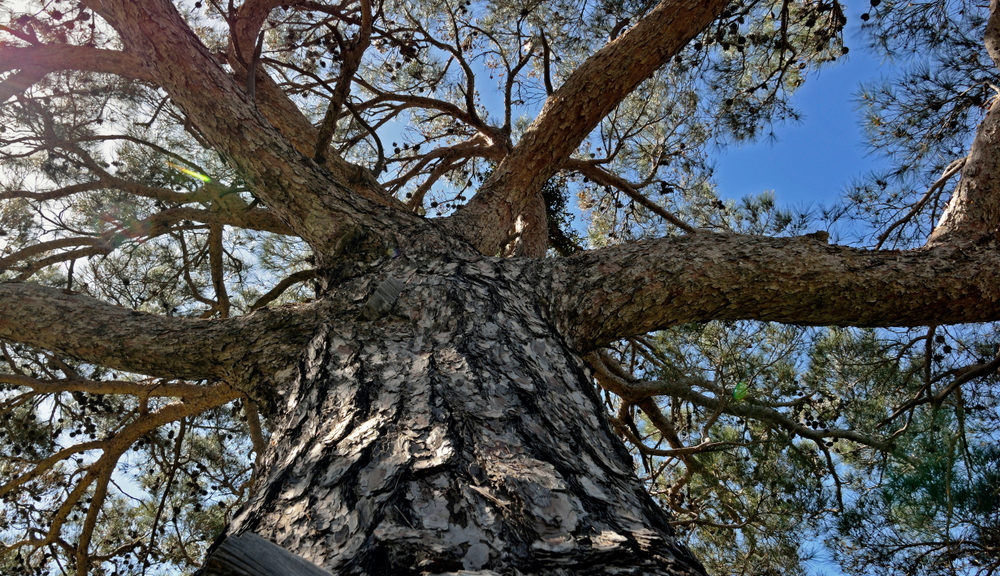
Een van de meest uitgestrekte bossen op Kreta is het Simi dennenbos met als dominante soort de Calabrische den (Pinus brutia) met grote opstanden van eiken, cipressen en andere soorten zoals esdoorn, steeneik en hulst.

 NL
NL  EN
EN  DE
DE  FR
FR  IT
IT  PL
PL