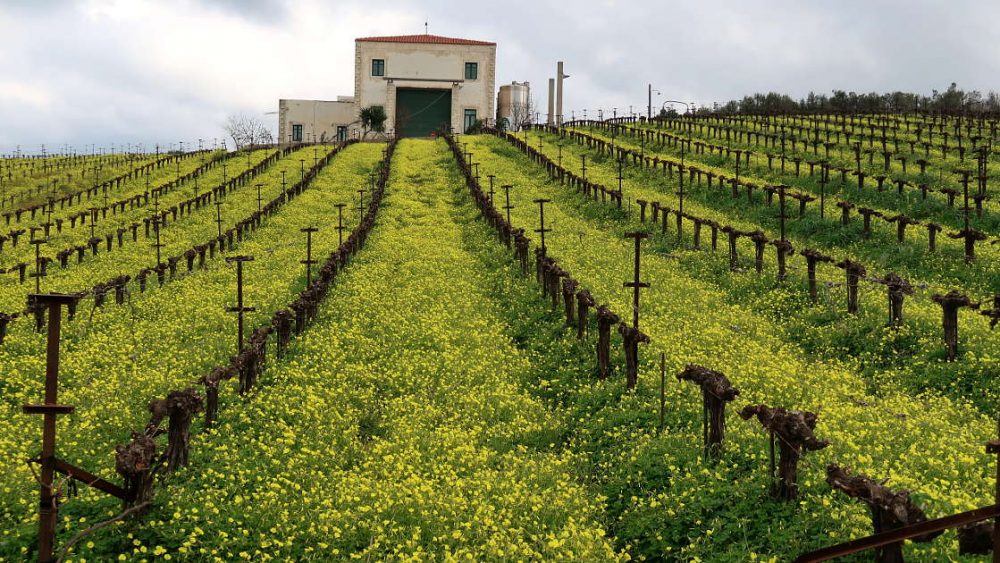
The most important wine-producing areas of the prefecture of Chania are located in the northwestern part. The “Wine Road” traverses the areas of Kissamos, Kolymbari, Mousouroi and Voukolies, passing through beautiful landscapes and historic sites. Wine-lovers have the opportunity to get to know the modern products of wineries in the Chania area at the Cretan Wine Festival held each year, usually in spring. Karavitakis vineyards The winery of Karavitaki Vineyards is located in Pontikiana in the area of Kolymvari in…
Czytaj więcej Czytaj więcej
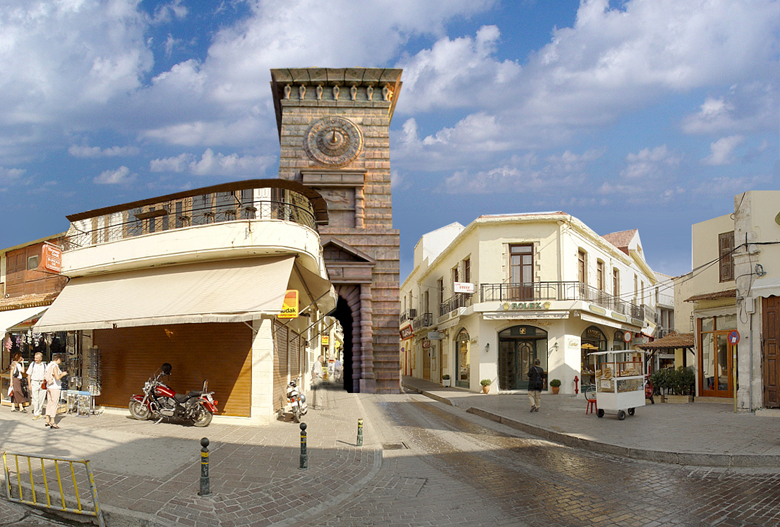
Słynna Wieża Zegarowa w Rethymno jest jednym z najbardziej znanych zabytków Rethymno, ale jest pewien haczyk. Ona już nie istnieje! Jedynym znakiem świadczącym o jej istnieniu jest część jej drzwi, którą można zobaczyć wbudowaną w sklep przy ulicy Arkadiou.
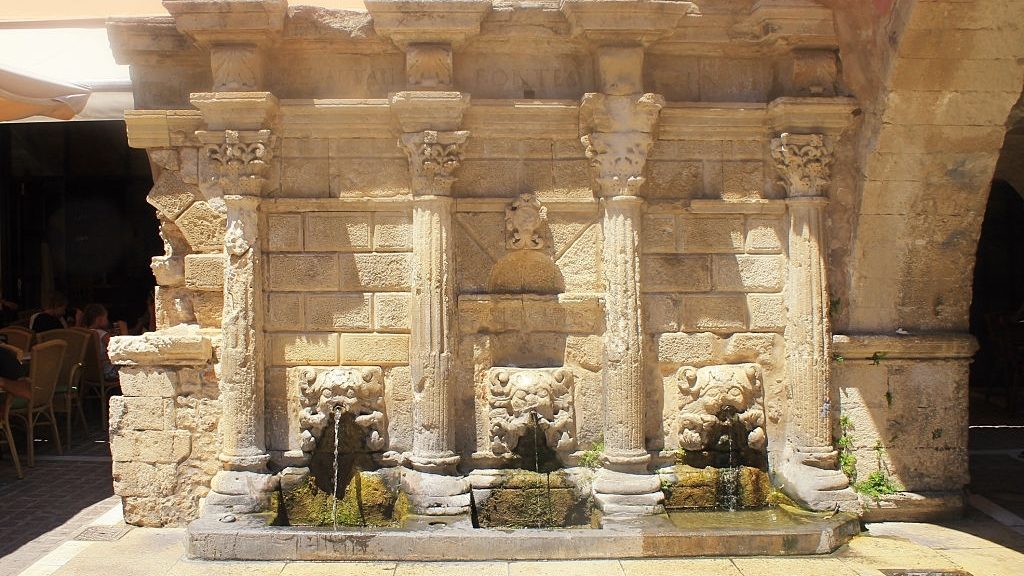
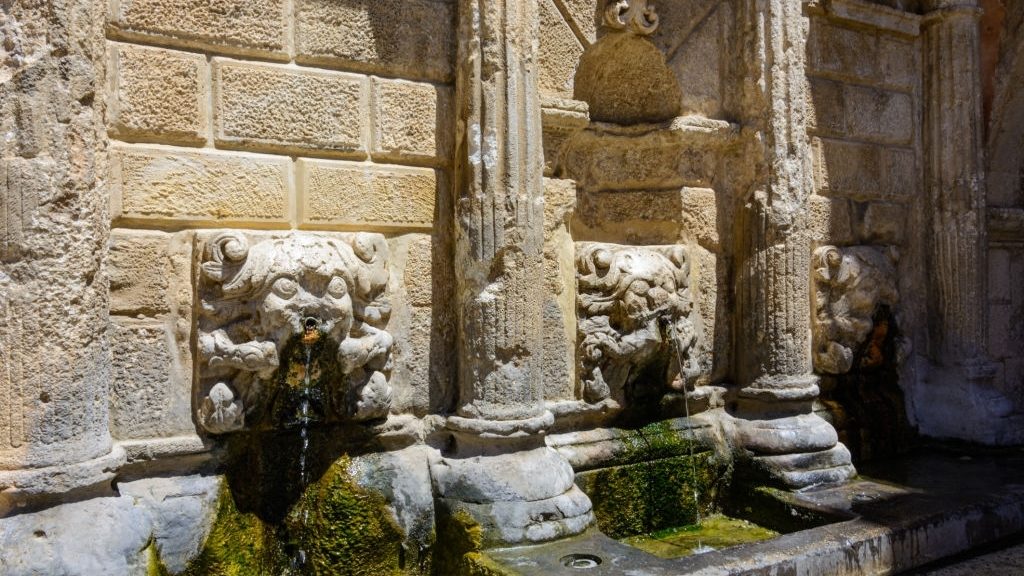
Fontanna Rimondi jest jedną z najbardziej znanych atrakcji miasta Rethymno, wraz z Bramą Guora, Wieżą Zegarową (która niestety już nie istnieje) i meczetem Kara Musa Phasha. Miasta na Krecie zawsze miały problem z zaopatrzeniem w wodę, z którym Wenecjanie zmierzyli się budując akwedukty i fontanny.
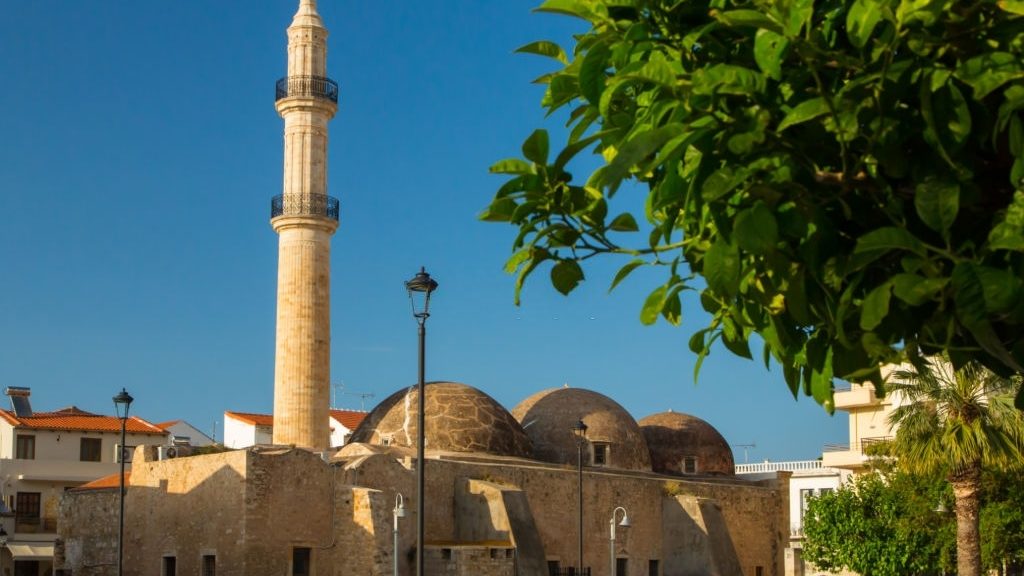
Meczet Nerantze jest jednym z najbardziej imponujących i najlepiej zachowanych zabytków starego miasta Rethymno, które, podobnie jak wiele innych budynków, przeszło znaczące zmiany, podobnie jak samo miasto.
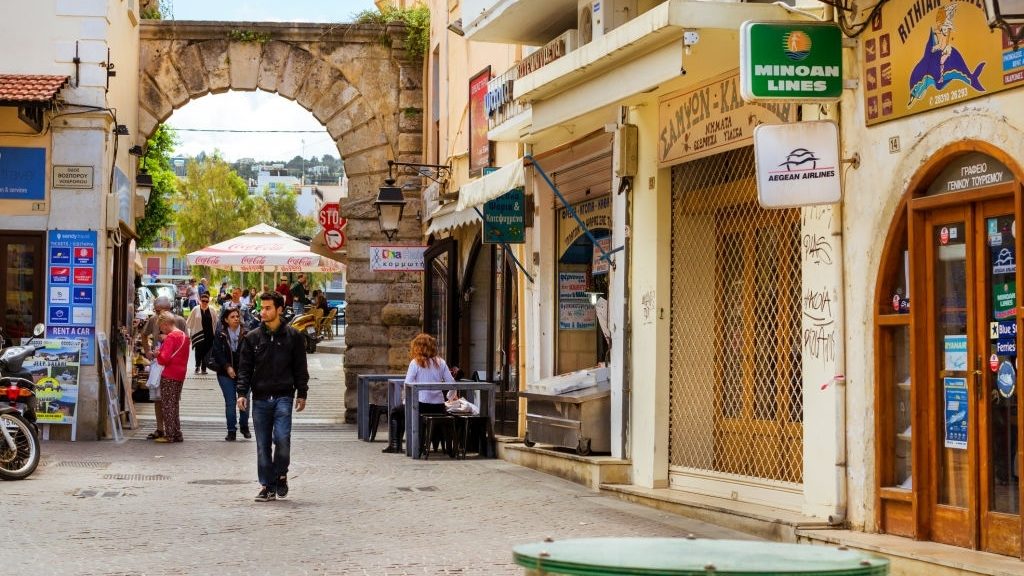
Brama Guora to wszystko, co pozostało z weneckich fortyfikacji Rethymno. Ta wspaniała brama, która została nazwana na cześć weneckiego rektora (= gubernatora) Giacomo Guoro, ma otwór o szerokości 2,60 m. Kiedyś było to główne wejście do otoczonego murami miasta i prowadziło do centralnego placu, na którym znajdowały się najważniejsze budynki publiczne Rethymno. (Loggia, fontanna Rimondi, wieża zegarowa).
Meczet Kara Moussa Paszy Meczet Kara Moussa Paszy został nazwany na cześć tureckiego dowódcy kampanii morskich prowadzonych przeciwko miastu Rethymno. Znajduje się w miejscu, w którym kiedyś znajdował się wenecki klasztor Agia Varvara.
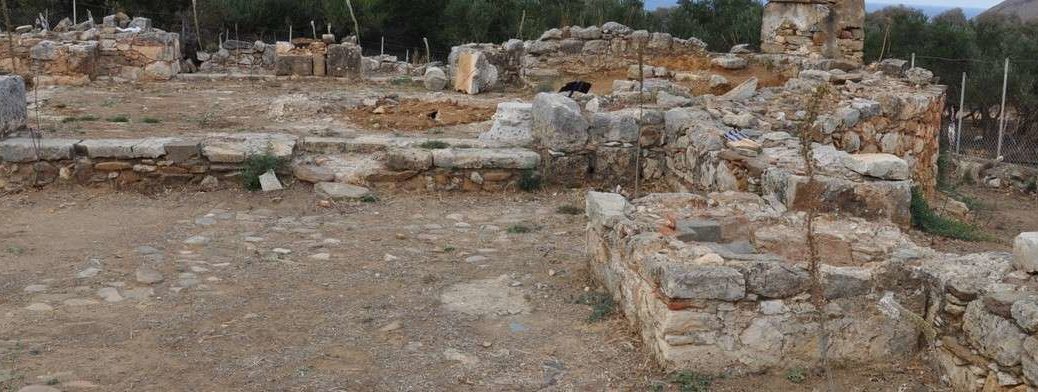
The archaeological site of the Basilica of Agia Sophia dates back to the early 6th century AD and is located south of the coastal settlement of Panormos and east of Rethymno. According to researchers, it was probably the Diocese’s seat of Eleftherna during the Early Byzantine years. It was most likely dedicated to Agia Sophia, hence the name and is one of the largest to be found in Crete.
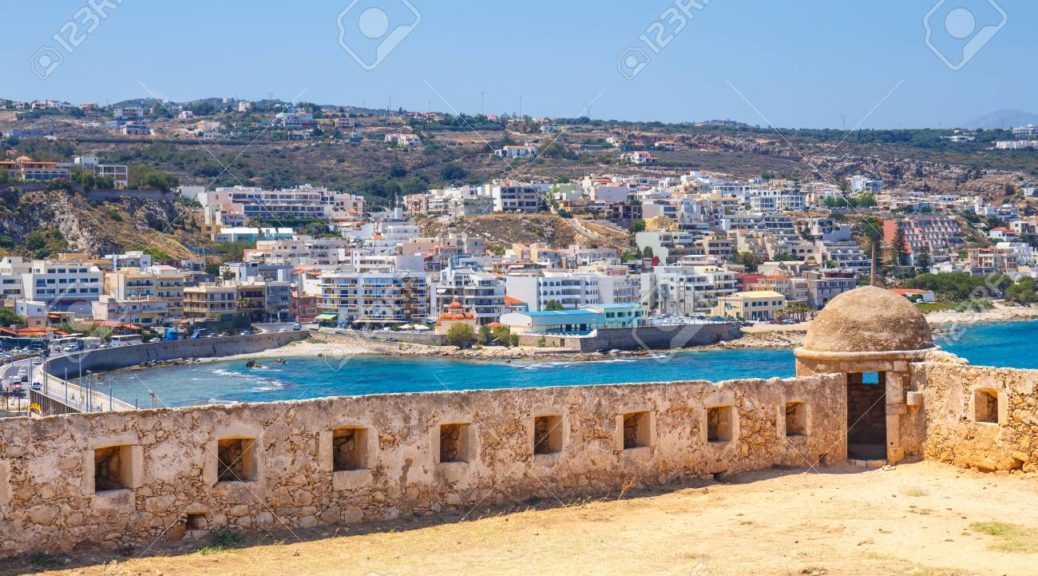
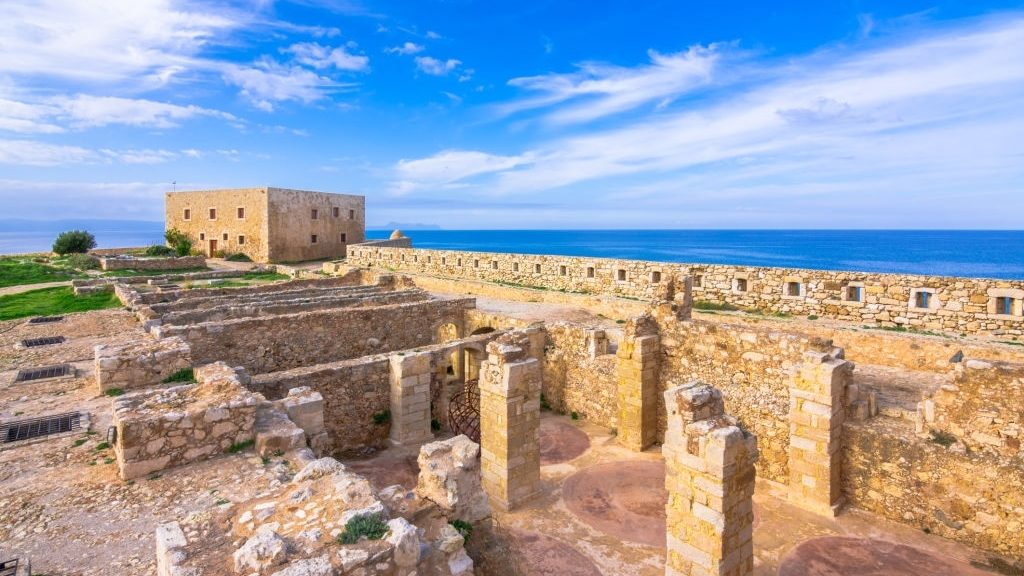
Fortezza to imponująca forteca, z której roztacza się widok na miasto Rethymno ze skalistego wzgórza Paleokastro. Możliwe, że w starożytności, zanim zbudowano średniowieczną Fortezza, na tym obszarze istniał akropol starożytnej Rithymny i świątynia Artemidy Rokkea.
Znajdująca się na wysokości 2,456 metrów kaplica Timios Stavros (Święty Krzyż w języku greckim) uwiecznia starożytną praktykę kultu w sanktuariach na szczycie.
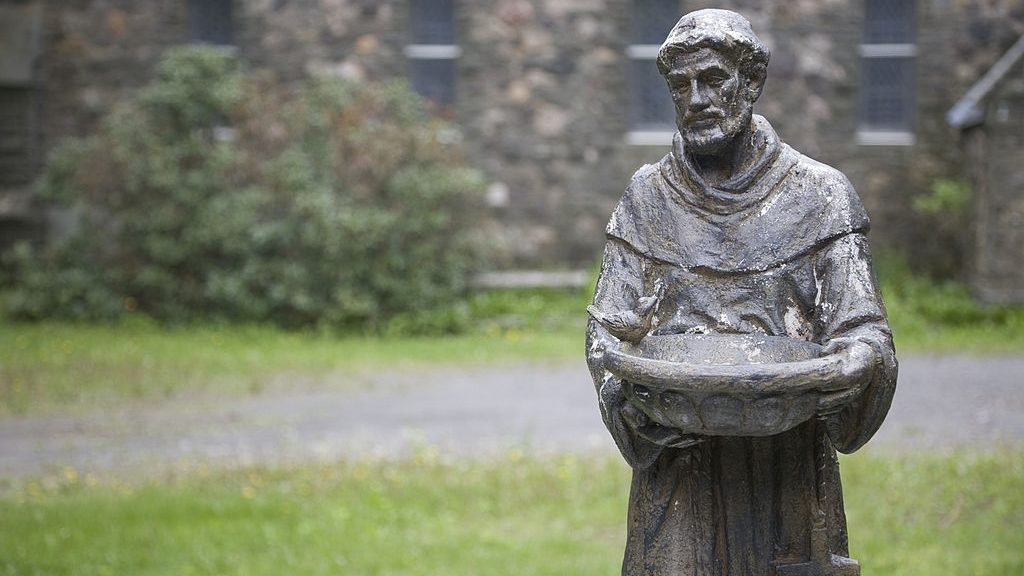
Saint Francis The single-aisled basilica of St. Francis belonged to the order of the Franciscans during Venetian rule and stands out both for its special architecture and its sculptural decoration. The Turkish conquerors turned it into a poorhouse and in 1796 established a girls’ school right next to it. To its east, the ruins of the two chapels can still be seen.
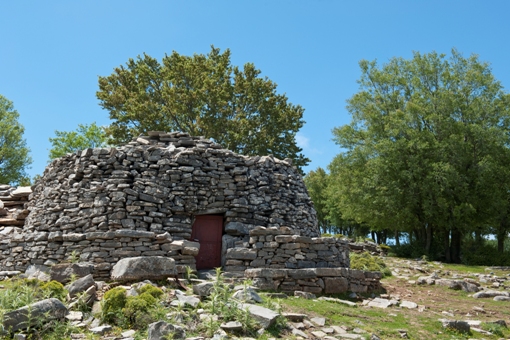
The name of these ancient, dry-stone constructions derives from the Latin word “metatum“, which means soldiers’ lodging. The word passed on to the Byzantines, meaning a temporary lodging, and it still has, more or less, the same meaning in Crete; mitata are used by shepherds as lodgings and storage rooms for cheese. They seem to have come about as a result of some ancient construction tradition and can be seen in various locations around the island but especially in the…
Czytaj więcej Czytaj więcej
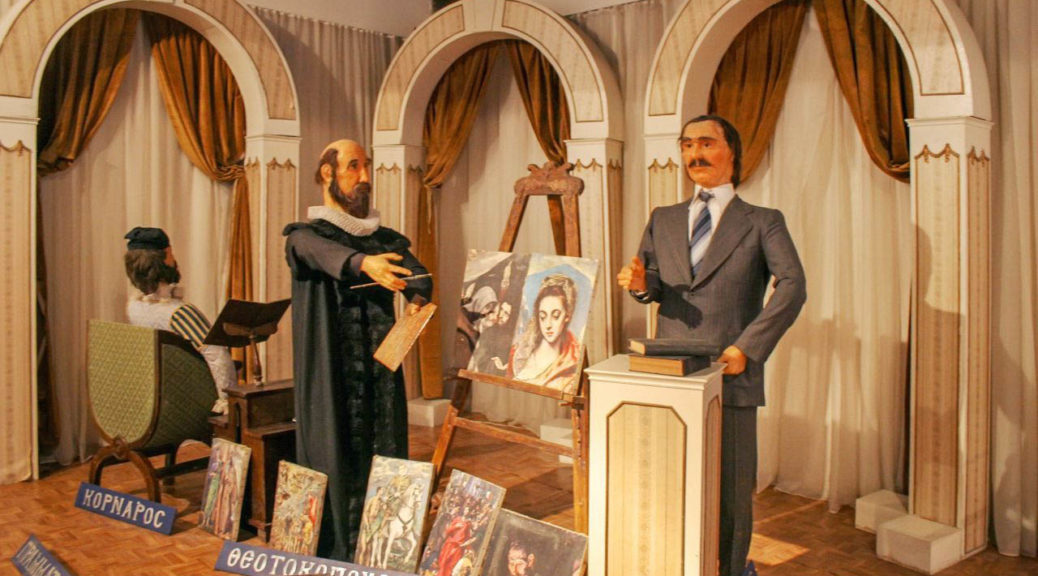
W prefekturze Rethymnon znajduje się wiele muzeów, które obejmują szeroki zakres zainteresowań i obszarów, od muzeów archeologicznych, przez sztukę ludową i kolekcje kościelne, po wystawy sztuki współczesnej.
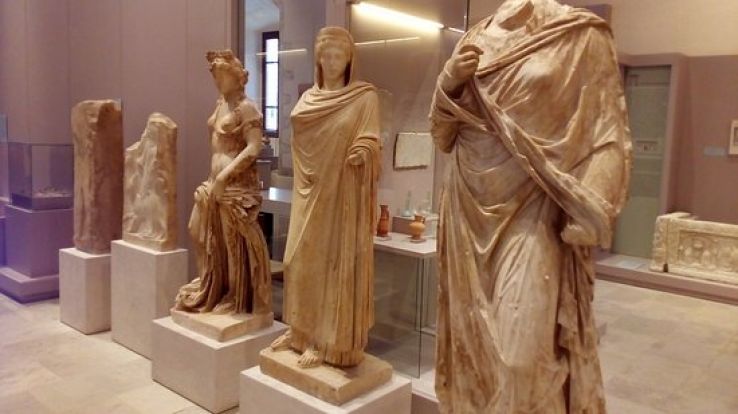
The Archaeological Museum of Rethymno is located in the centre of the Old Town of Rethymno and at a close distance to other historical and cultural areas for visitors to explore. The earliest collection of artefacts and exhibits of artistic and historical importance were gathered in 1888, on the initiative of the Greek Educational Association of Rethymno. Until 1990 the museum was accommodated in the Loggia, the most important meeting place at the time. In 1991 it was moved into…
Czytaj więcej Czytaj więcej
Pierwsze dowody na zamieszkiwanie miasta Rethymno pochodzą z późnych lat minojskich (1550-1250 pne). Jednak starożytne miasto Rithymna osiągnęło swój rozkwit znacznie później, między IV a III wiekiem pne.
 PL
PL  EN
EN  DE
DE  FR
FR  IT
IT  NL
NL