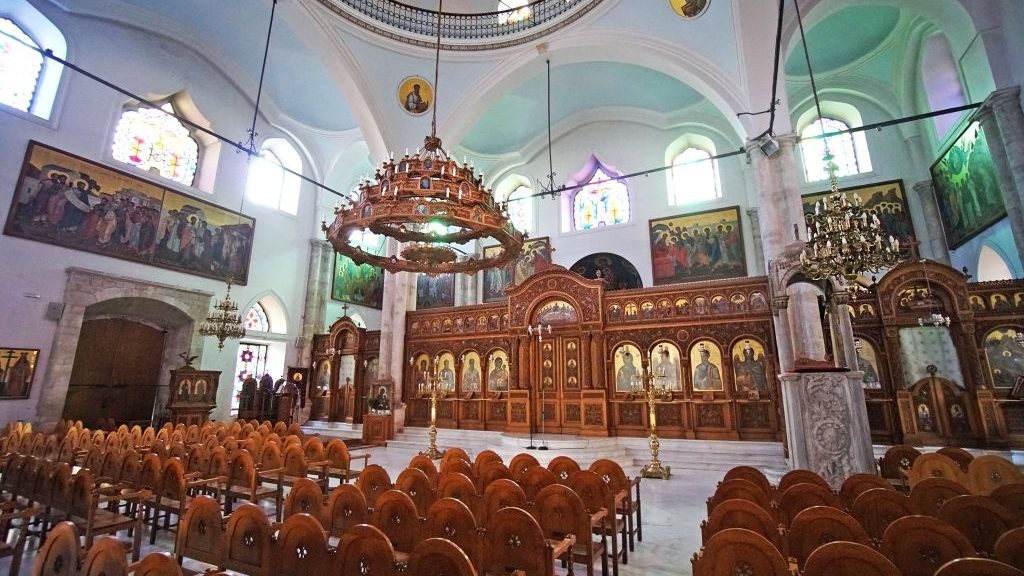
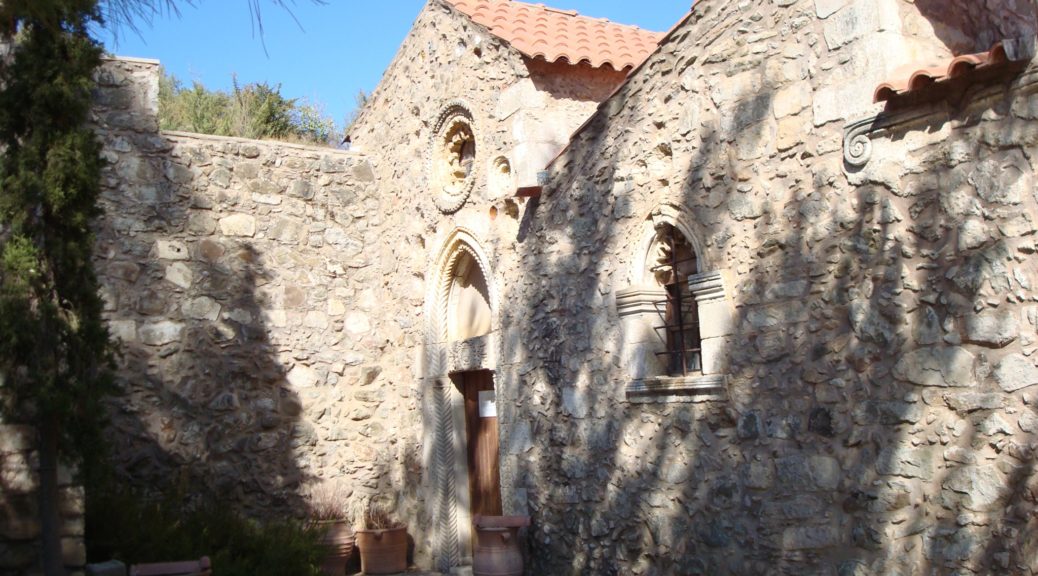
Kościół Agios Titos został pierwotnie zbudowany po wyzwoleniu Krety przez Nikiforosa Fokasa w 961 roku. W okresie weneckim został przekształcony w kościół katolicki, jednak nie stracił swojego bizantyjskiego charakteru.
Already from the years of the First Byzantine Period (330-840 AD), the city of Heraklion had fortifications which were completed by both the Arab conquerors (840-961 AD) and the Byzantines (961-1204 AD) as well as by the Venetians after 1211 AD. However, the emerging threat of the Turks forced Venice to fortify the capital of Regno di Candia in the most modern and effective way at the time. The form of fortifications we see today is based on drawings by…
Czytaj więcej Czytaj więcej
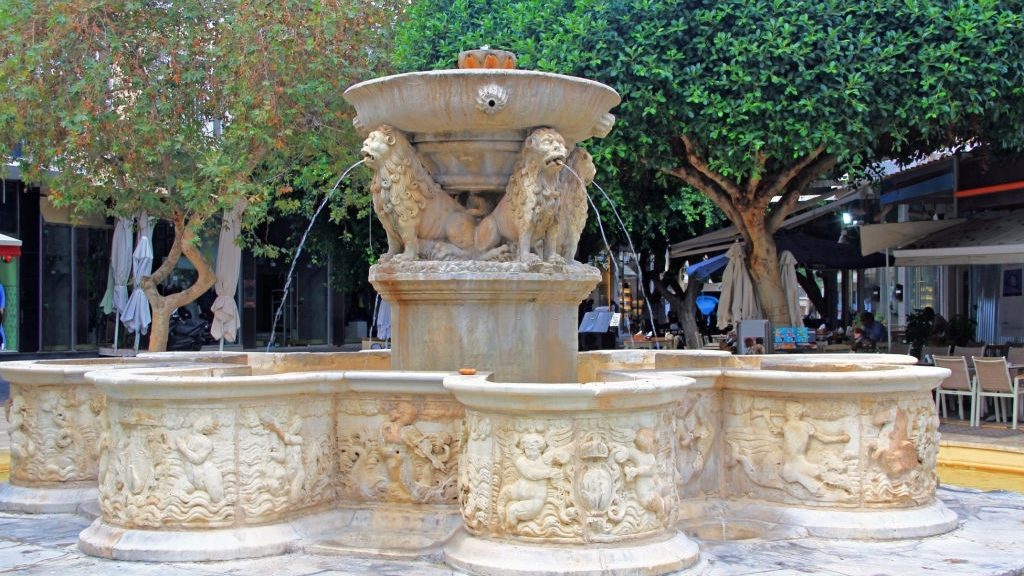
One of the most brilliant monuments of the city of Heraklion is the Fountain of Morosini or the “Lions“, as the residents of Heraklion call it.
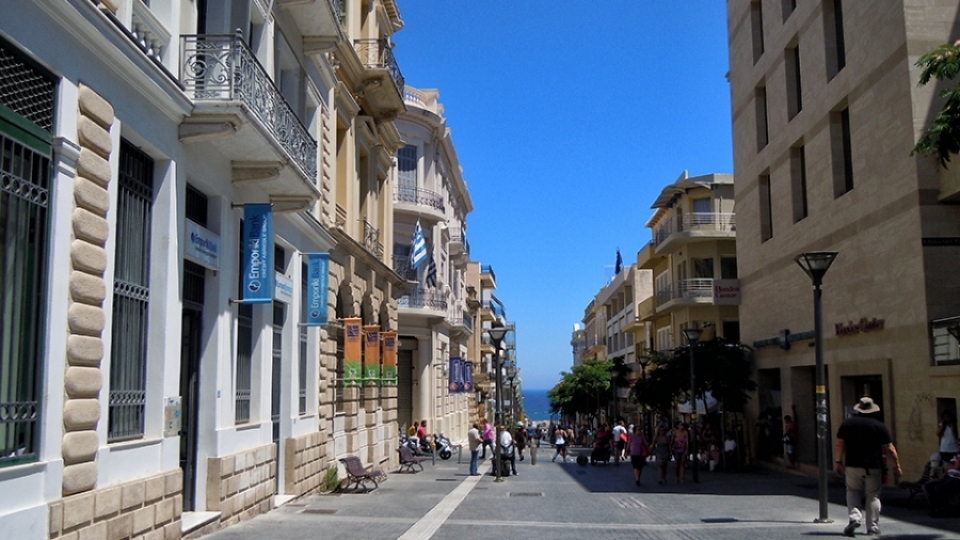
Already from the Venetian period, August 25 Street in Heraklion was one of the most important streets in the city even though it had not acquired its name yet. The road connects the port with Saint Mark’s square, and this is where the palatial mansion of the Venetian Duke was built.
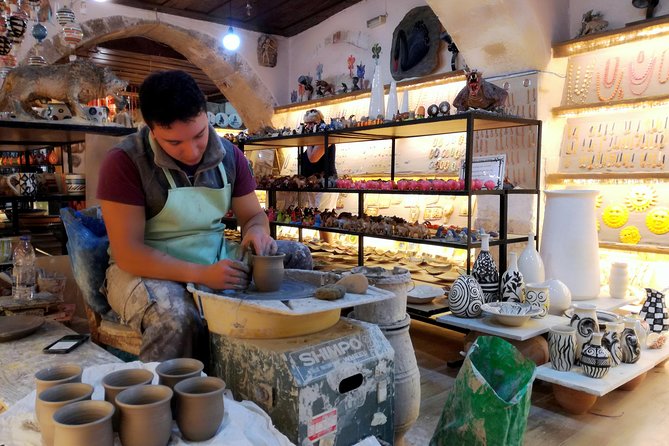
The pottery workshop “Keramos” is located in the village of Fodele, a place with characteristic natural beauty but also a special historical and artistic charge since, among other things, it is the special homeland of Dominikos Theotokopoulos.
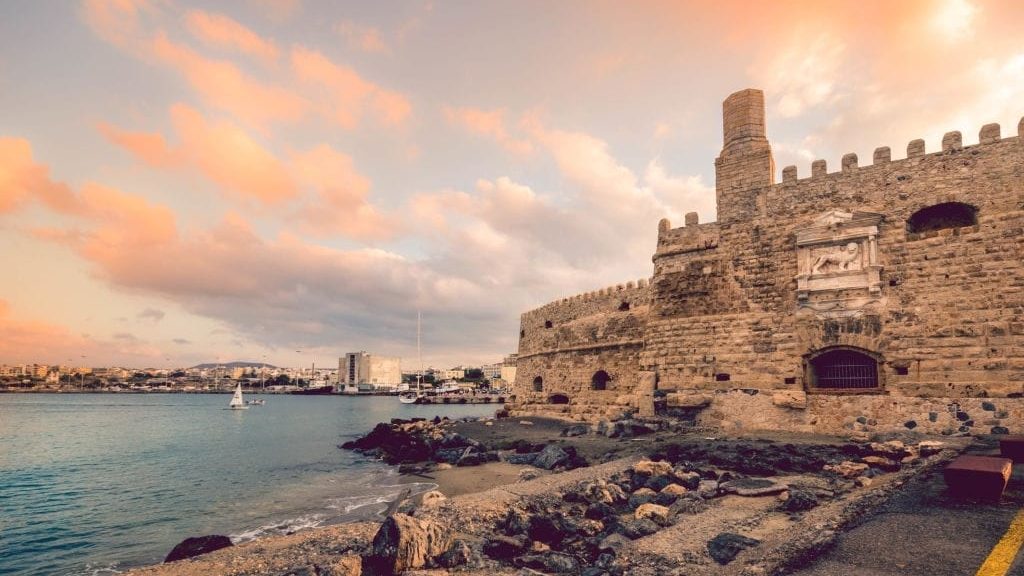
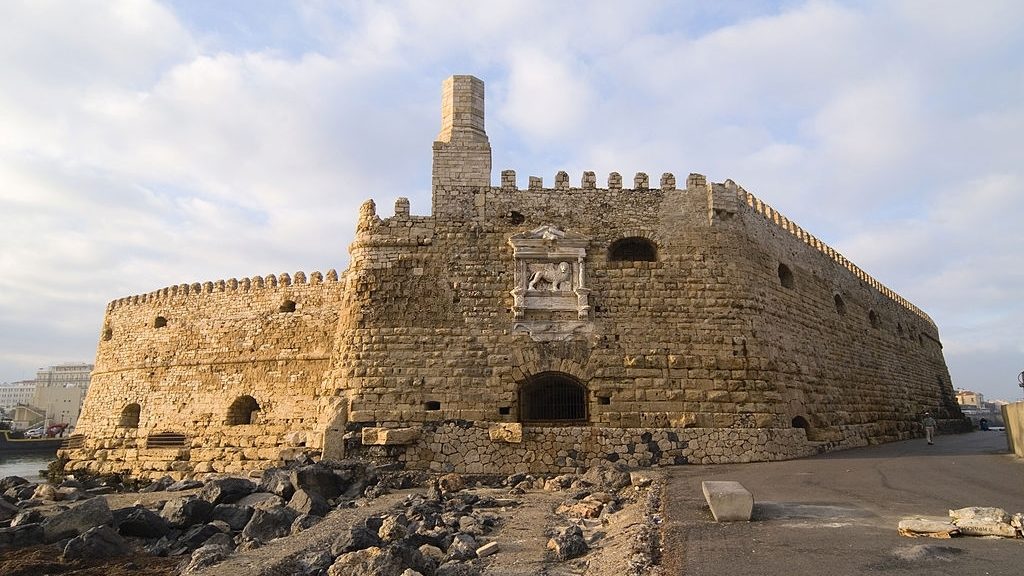
Twierdza Koules w mieście Heraklion jest częścią prac fortyfikacyjnych prowadzonych przez Wenecjan w XVI wieku, gdy był on częścią Republiki Weneckiej w celu obrony miasta portowego przed napastnikami. Dwie fortece zostały zbudowane na końcu każdego molo, jednak tylko największa z nich, tak zwana Koules, przetrwała do dziś.
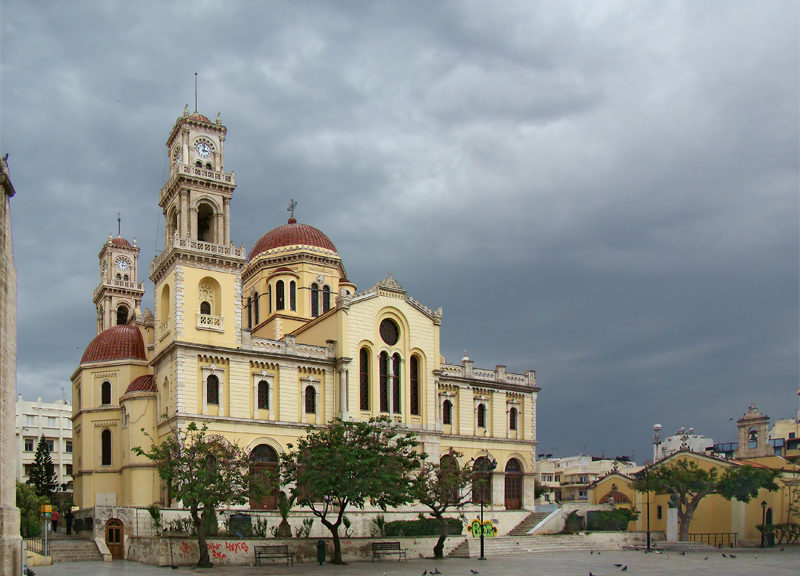
The cathedral of Saint Minas, patron saint of Heraklion since 1734 is located near the centre of the city following Vikela Street and then entering Agiou Mina Street. Near the cathedral, a much smaller and older church known as “Little Saint Minas” can also be seen. On the other side of the square, we find the church of Saint Catherine, and the square that is named after it, full of vibrant cafes, restaurants and shops.
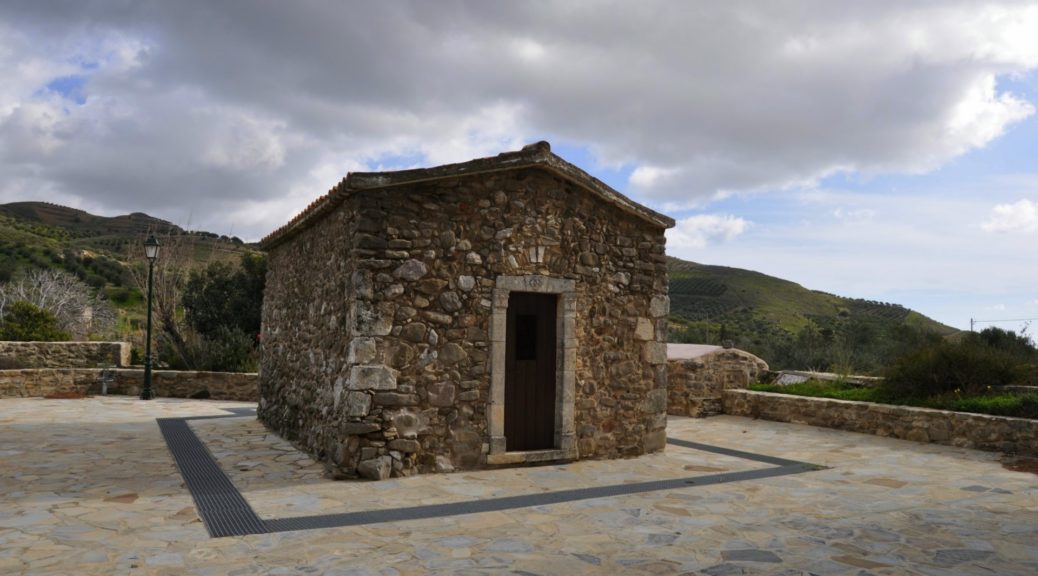
Klasztor Varsamoneros był jednym z najważniejszych ośrodków kreteńskiej szkoły hagiografii i jest połączony z klasztorem Vrontisiou. Większość budynków klasztoru jest obecnie zniszczona i zachowało się tylko kilka elementów architektonicznych kompleksu.
The municipality of Viannos in the southeastern part of Heraklion is known for its wild beauty. Located at the foothills of Mount Dikti, it offers impressive geomorphological formations, beautiful plateaus and charming villages. During World War II, Viannos found itself at the centre of a mass extermination attack by Nazi soldiers, in reprisal for their support of the rebel forces. Most of the villages in the area were burned and looted while more than 500 people were executed during a…
Czytaj więcej Czytaj więcej
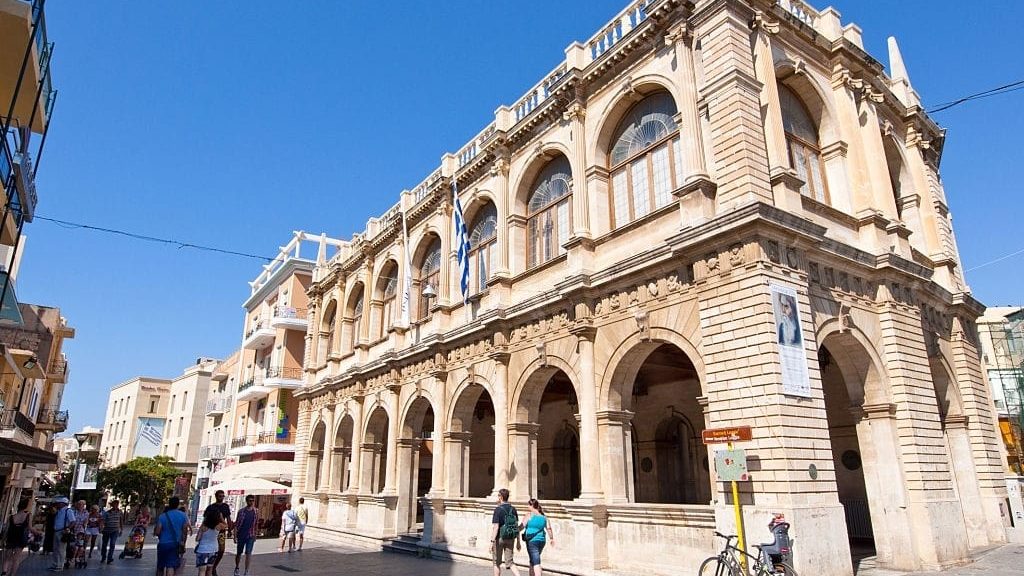
The Loggia (from the Italian word for “lodge“) is one of the most important buildings of the Venetian period in Crete. It was a kind of gentleman’s club, where the rich nobles and lords gathered. The building was built after 1541 probably with designs by Michel Sammicheliin Palladian style.
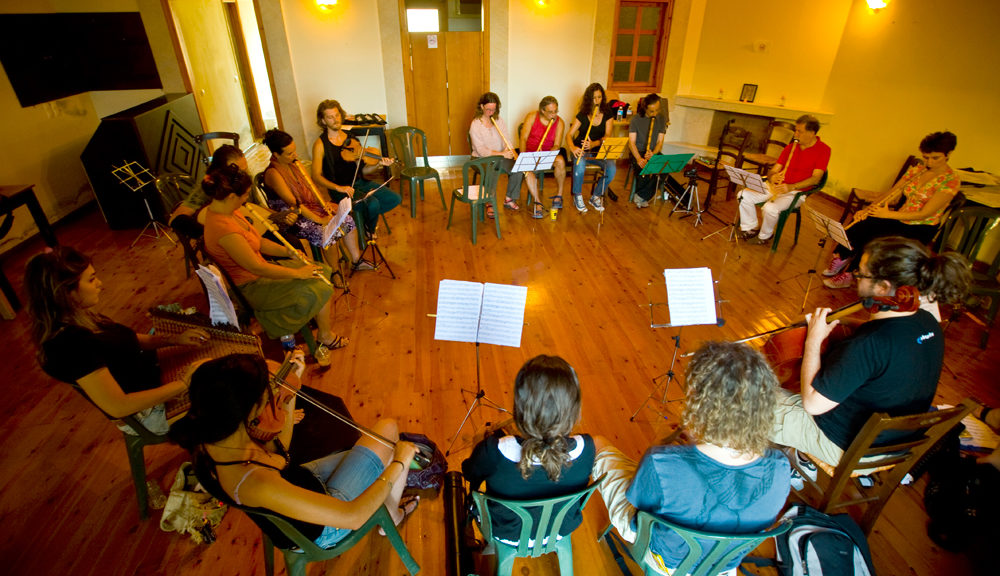
The Labyrinth Music Workshop was founded in 1982 by Ross Daly. The main object is to introduce young people to a creative approach to musical traditions from all over the world. Since 2002, the Labyrinth Music Workshop in collaboration with the Municipality of “Nikos Kazantzakis”, houses its activities in an old building, tastefully designed, in the village of Houdetsi (20 km from Heraklion) under the artistic direction of Ross Daly.
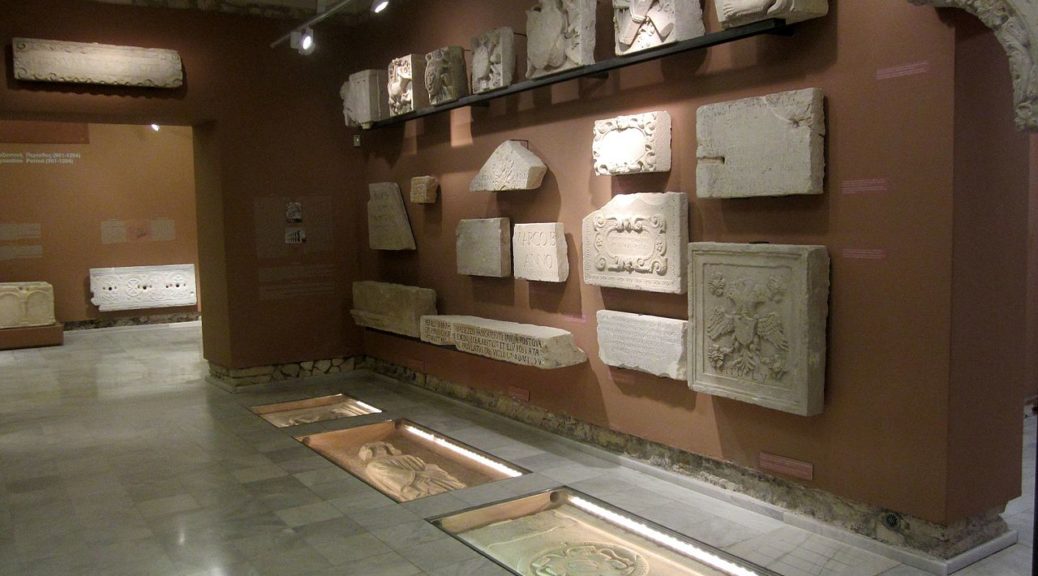
Muzeum Historyczne Krety oferuje pełny i kompleksowy obraz historii wyspy i znajduje się w centrum Heraklionu.
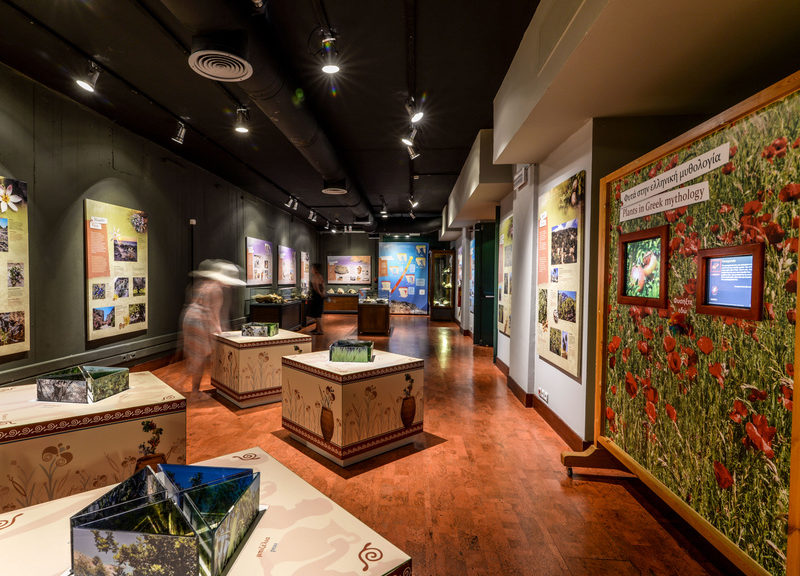
The Natural History Museum of Crete functions as part of the School of Sciences of the University of Crete and is located in the centre of the Heraklion. Despite what the title suggests, it does not only present the natural wealth of the island but also of the rest of Greece and the Eastern Mediterranean. It has been awarded for its “diverse educational, research, writing and publishing work, its exemplary organization and its promotion of scientific research and training” with…
Czytaj więcej Czytaj więcej
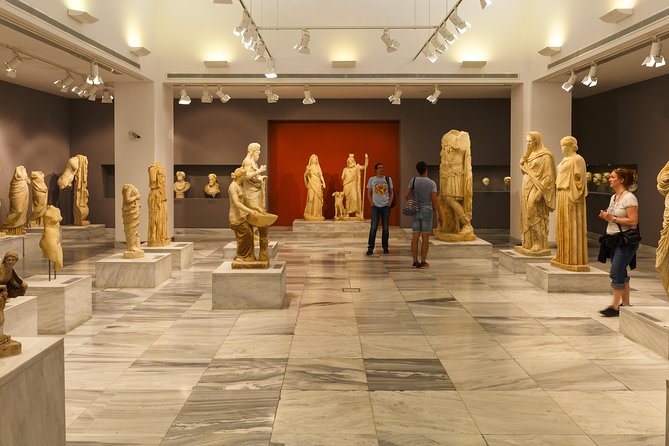
The Archaeological Museum of Heraklion is located in the center of the city and is one of the most important archaeological museums in the world. It houses an unrivaled collection of artifacts from the Bronze-age Minoan culture – the first of note on what is now European soil and is one of the most important collections of history in Europe and Crete. The exhibits cover a period of ten millennia, from the Neolithic era until late Roman times.
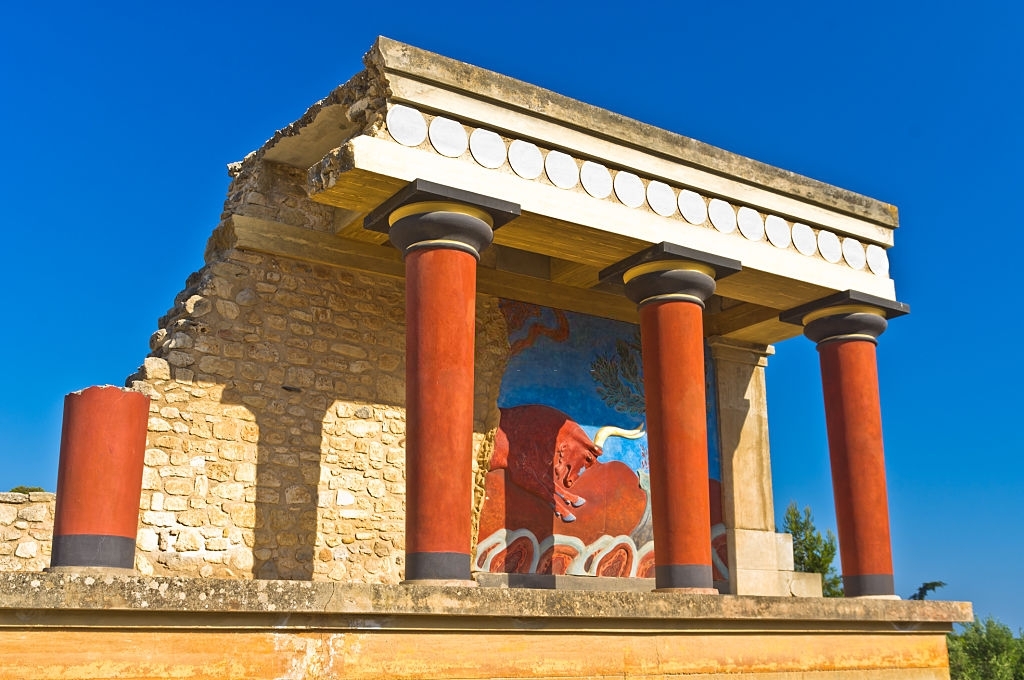
Historia Heraklionu sięga wielu wieków wstecz i obejmuje różne epoki, obejmując różnorodne tematy i wpływy. Niektóre z najwcześniejszych przykładów, które odwiedzający będą odkrywać w Heraklionie, pochodzą z epoki postminojskiej, a najbardziej znanym przykładem jest Pałac Knossos.
 PL
PL  EN
EN  DE
DE  FR
FR  IT
IT  NL
NL