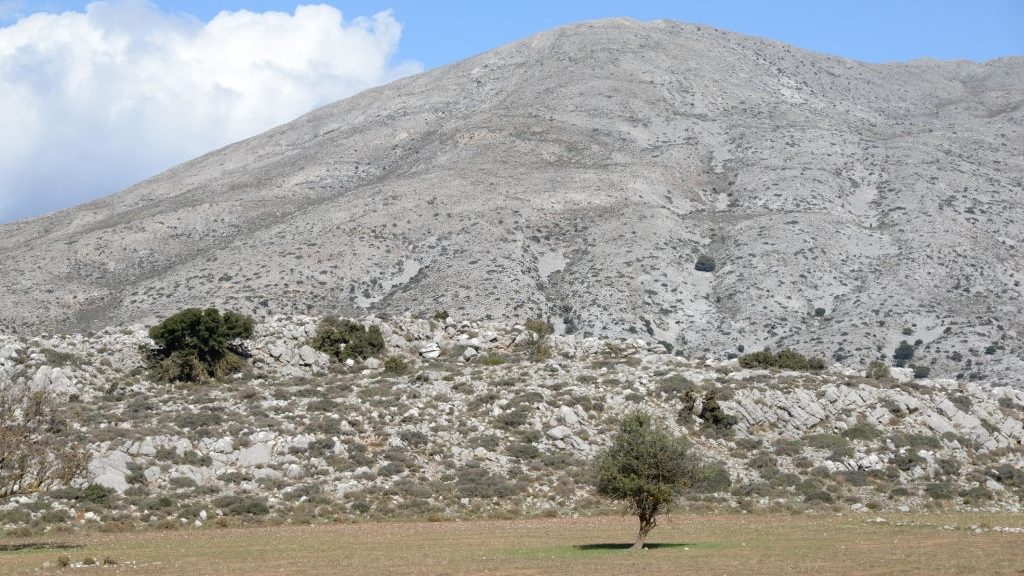
Płaskowyż Nissimos
Płaskowyż Nissimos to stosunkowo niewielki i mniej znany, ale piękny płaskowyż w gminie Lassithi. Znajduje się na północ od osady Tzermiado i płaskowyżu Lassithi, na wysokości 890 m.
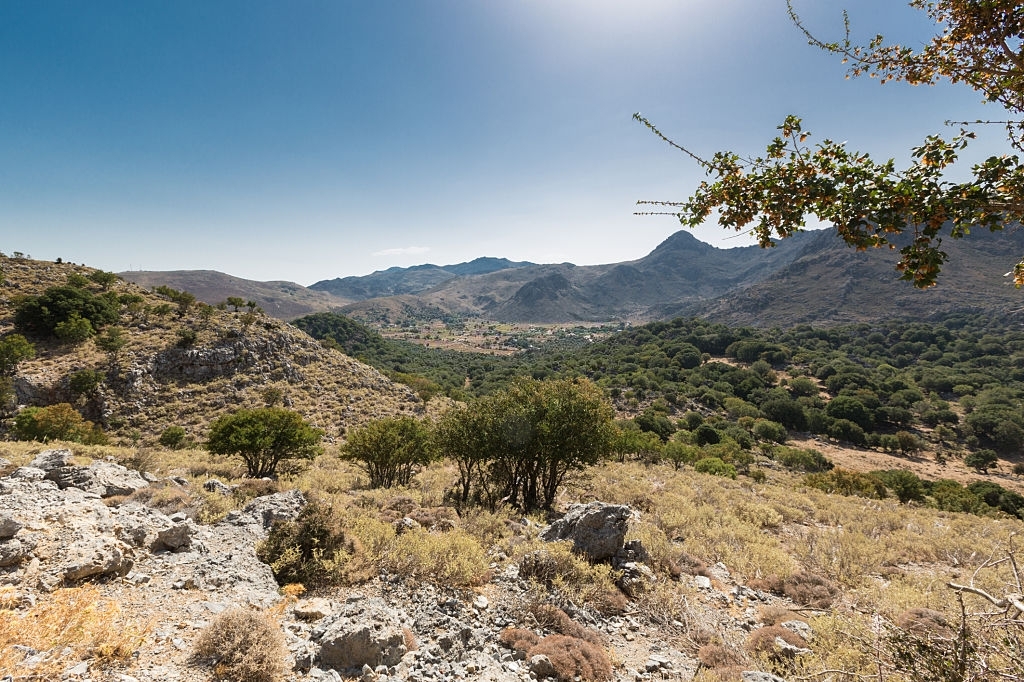
The płaskowyże Krety are the ornaments of the mountain landscape, a gift of the island’s geomorphology. Some of them are inhabited while others are devoted only to livestock rearing. What is certain is that each has its own character, nature and form. Most have supported communities since antiquity. Many played important, if often tragic, roles in the story of the struggles for liberty, becoming rebel bases of operations. In these isolated areas, the visitor comes face to face with the essence of Crete.
Jako region górzysty wyspa Kreta jest obdarzony szeregiem żyznych płaskowyżów. Największym z nich jest płaskowyż Lassithiznajduje się we wschodnim regionie wyspy, położonym między nierównym terenem Góry Dicti. Tutaj odwiedzający znajdą Jaskinia Psychro lub Diktaion Antron, jedna z możliwych lokalizacji, w których Zeus urodził się. Najwyższym szczytem w okolicy jest Spathi, with an altitude of 2148. It is one of the only plateaus on the island occupied year-round; most of the permanent population is engaged in animal rearing and agricultural professions.
The płaskowyż Omalos w ChaniiWąwóz Samaria, najbardziej znany, ale nie jedyny o tej nazwie, to obszar, który większość odwiedzających może zobaczyć, jeśli zapuści się w kierunku wąwozu Samaria. Znajduje się w Góry Białe (lub Lefka Ori), to tutaj znajdują się tradycyjne kamienne budynki zwane mitata, których pasterze używali w przeszłości do ochrony podczas złej pogody.
Omalos odegrało ważną rolę w powstaniach przeciwko Turkom i stało się idealnym schronieniem i bazą dla kreteńskich rebeliantów.
W obszarze Góra Psiloritis (lub Mount Ida), niegdyś mocno zalesiony obszar, znajdujemy płaskowyż Nida. Its name comes from a contraction of the words “στην Ιδα” (stiN Ida) and its history is closely linked to Greek mythology. This is where the Goddess Demeter fell in love with a mortal, and where Charidemos ścigał i złapał swoją ukochaną. W najnowszej historii Nida była używana jako kryjówka przez rebeliantów walczących z niemiecką okupacją w II wojna światowa.
Let’s now explore some of the most well-known and stunning plateaux that Crete island has to offer.
Płaskowyż Nissimos to stosunkowo niewielki i mniej znany, ale piękny płaskowyż w gminie Lassithi. Znajduje się na północ od osady Tzermiado i płaskowyżu Lassithi, na wysokości 890 m.
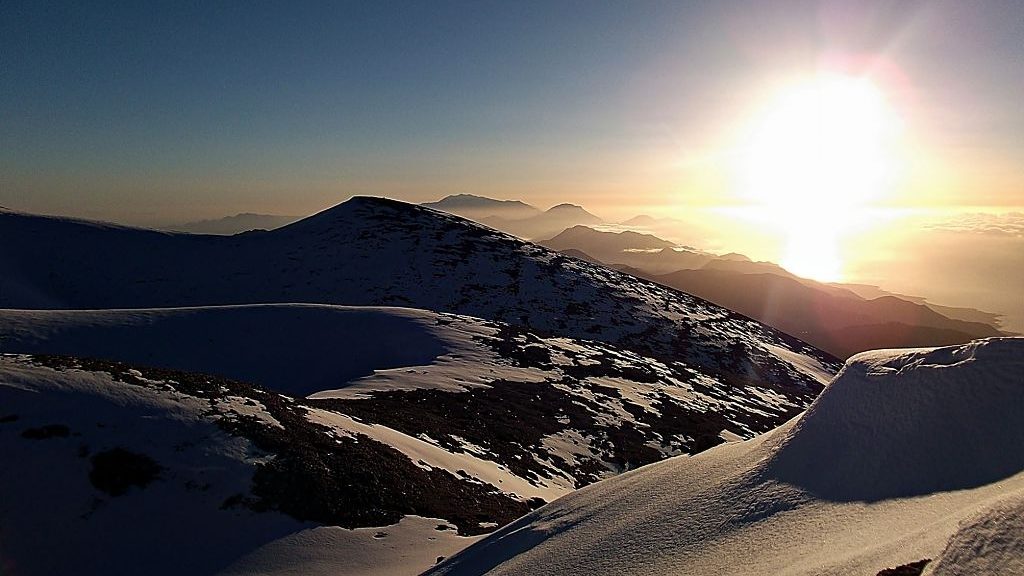
Niatos to niewielki płaskowyż położony na wysokości 1200 metrów i jest polje, podobnie jak większość płaskowyżów na Krecie.
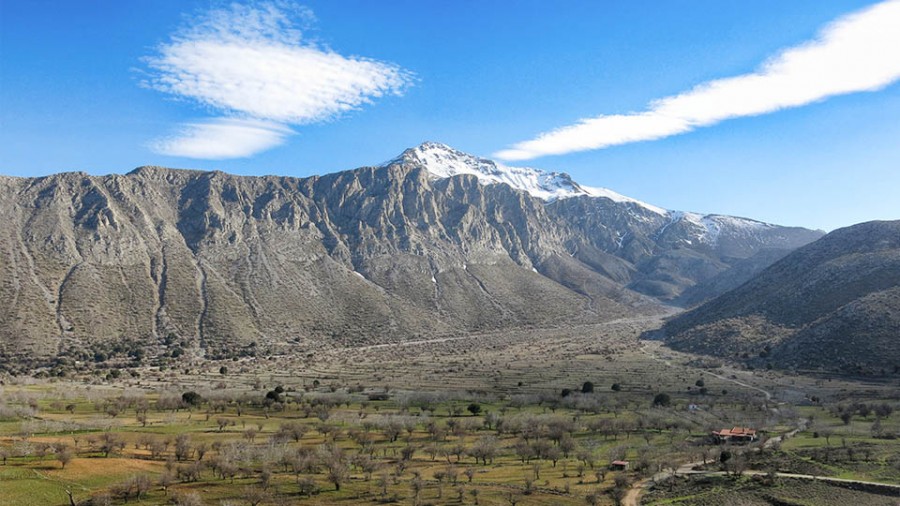
Limnakaro to niewielki, ale wspaniały płaskowyż na wysokości 1150 m n.p.m., znany głównie wspinaczom i entuzjastom przygód.
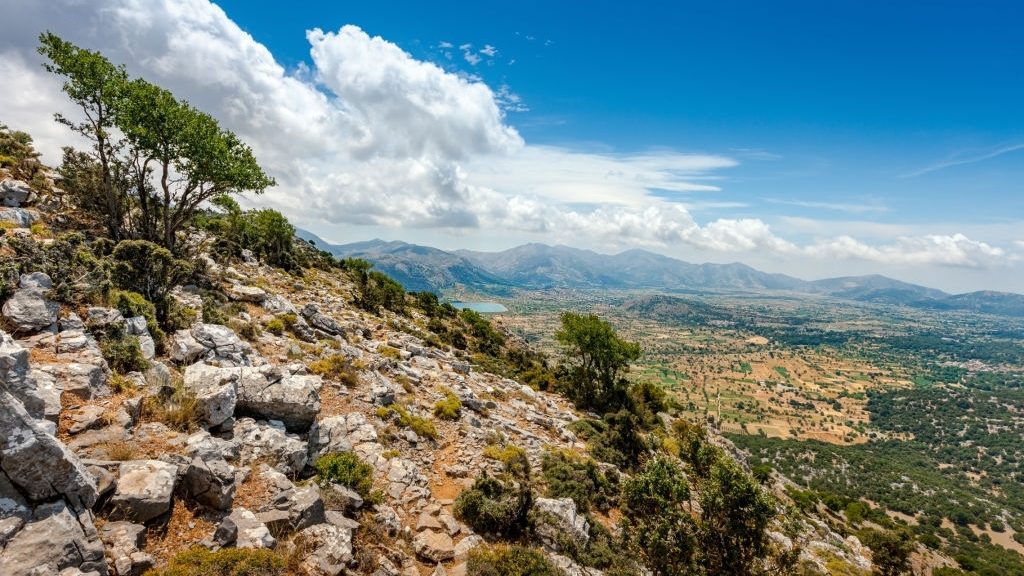
The plateau of Katharo (meaning “clean” in Greek), is located at an altitude of 1150 m, in Lassithi, in eastern Crete. To its southwest rear the high peaks of the Lassithi mountains. It is linked geomorphologically and hydraulically with the main and lower Lassithi plain through the Havga gorge which for most of the time runs like a torrent.
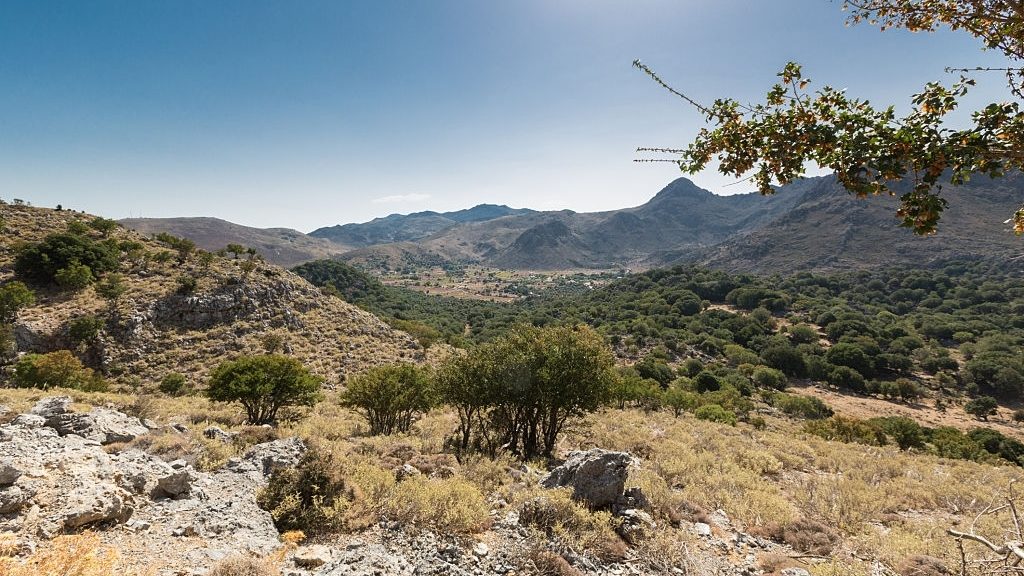
Kallikratis to niewielki płaskowyż, nazwany na cześć wioski o tej samej nazwie, położony w Górach Białych w prowincji Sfakia, na wysokości około 540 m.
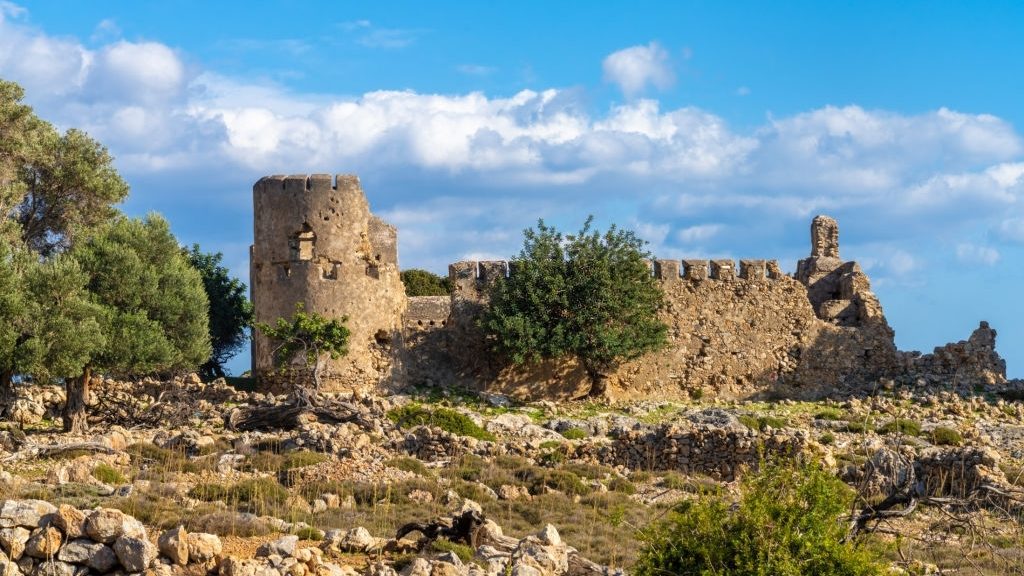
Płaskowyż Anopolis znajduje się zaledwie 13 km od Chora Sfakion. Kręta droga wspina się po nagich górach, oferując rozległe widoki w kierunku małej wyspy Gavdos; kończy się na porośniętej sosnami równinie. Anopolis było ważną osadą; obszar i wioska zostały nazwane na cześć starożytnego miasta o tej samej nazwie.
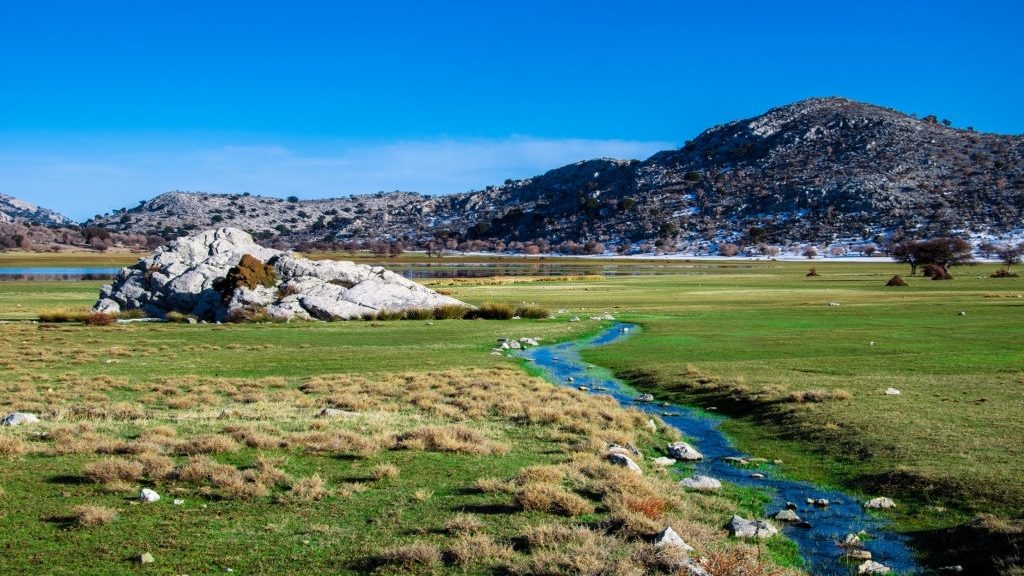
Płaskowyż Omalos w Viannos znajduje się na południowym wschodzie pasma Dikti wokół skupiska zamkniętych równin przypominających baseny i jest największym z nich.
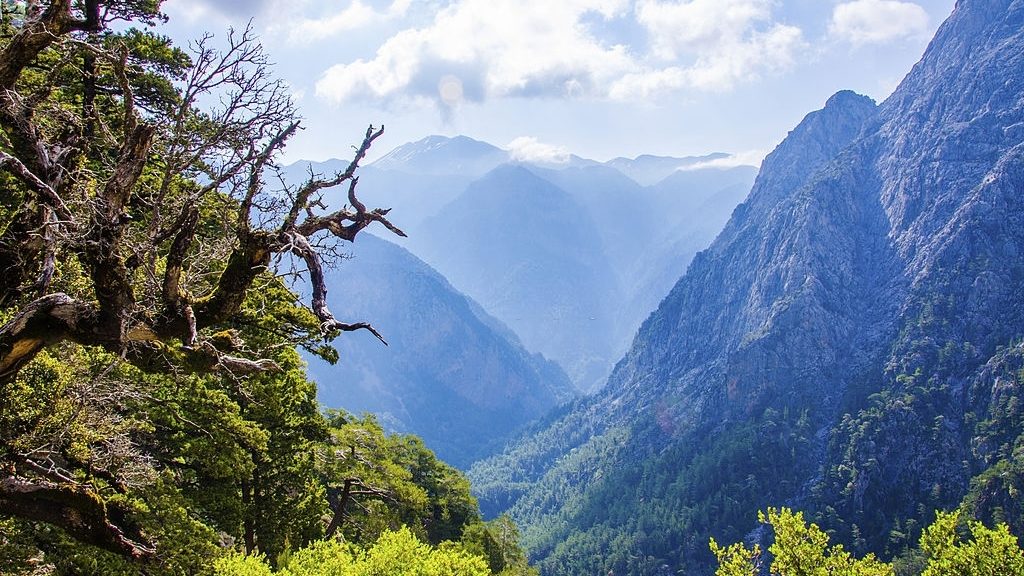
Omalos Plateau is located at the White Mountains range and is one of the great plateaus of Crete. An irregular circle, a polje (a large, flat plain found in limestone karst regions), of some 6 sq km, it is surrounded by peaks – Koukoule (1640 m) to the east, Gigilos (2005 m), Volakia (2117 m), and Psilafi (1936 m) to the south, with Trouli (1455 m) west and Katrinari (1318 m) to the north. The north region, called Lakkiotikos Gyros,…
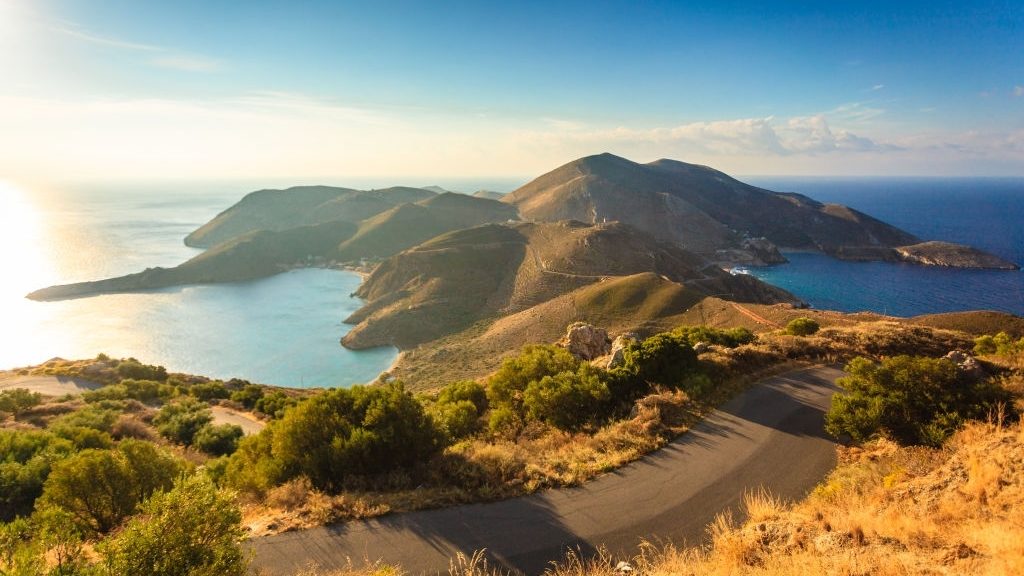
At an altitude of 850 m, the Lasithi Plateau is the largest mountain plain in Crete – and the only one occupied all year-round. Roughly ovoid, it runs some 11 km east-west and 6 km north-south. Surrounding it are the peaks Selena (1559 m) at the north, Afendi (1588 m) and Louloudaki (1163 m) west, Spathi (2148 m) to the south and Katharo (1564 m) and Varsami (1545 m) to the east. Animal-rearing and agriculture were the main occupations in…
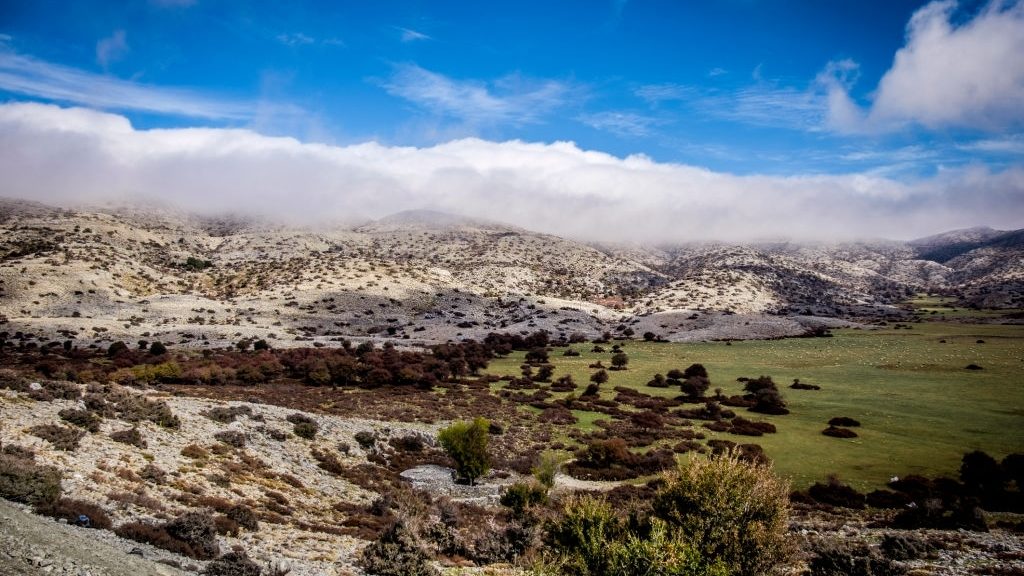
Nida Plateau lies at the heart of the Psiloritis or Ida range. Its name comes from a contraction of the words “στην Ιδα” (stiN Ida). In shape, it is roughly triangular, with its shortest side at the south, the so-called Passage of Milias, through which the southern foothills towards Mesara can be accessed. East of the plain is the peak of Skinakas. Here at a height of 1750 m, we find the only Astronomical Observatory on Crete.
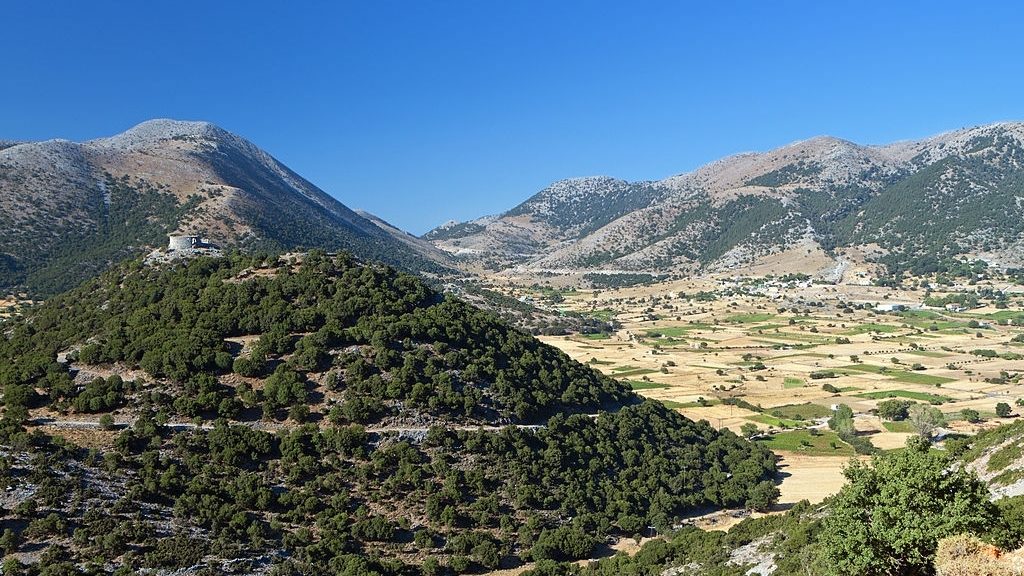
Askifou Plateau is located in the west part of the White Mountains – on the road from Sfakia towards Apokoronas and Chania. It resembles a cup and is surrounded by the peaks of Kastro (2218 m) to the west, Trypali (1493 m) to the east and Angathes (1511 m) to the south. Around the edges of the plain are the villages of Ammoudari, Kares, Kosto, Petres, Mesa and Exo Goni and Stavorachi. The plateau has been cultivated for a very…
 PL
PL  EN
EN  DE
DE  FR
FR  IT
IT  NL
NL