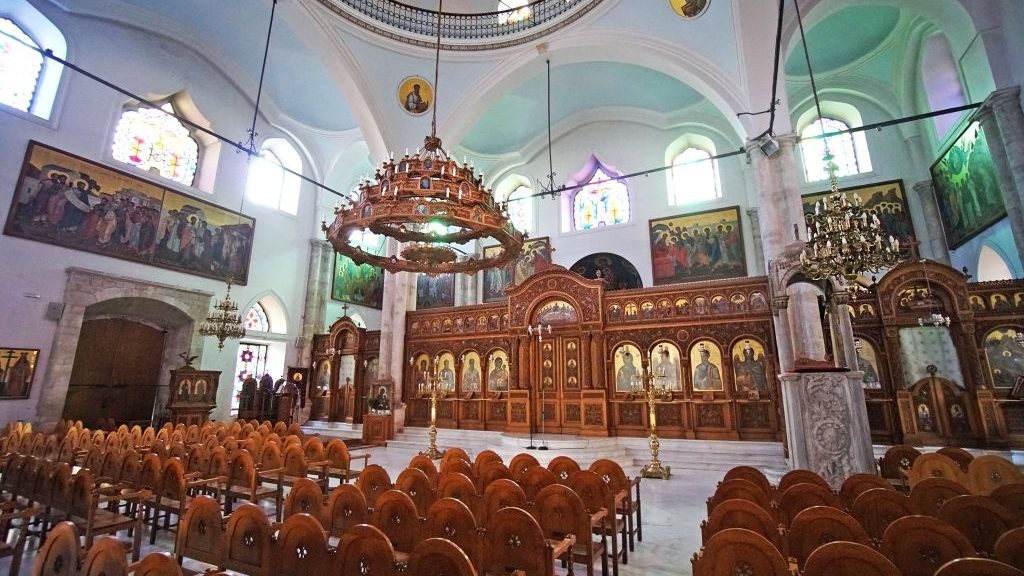
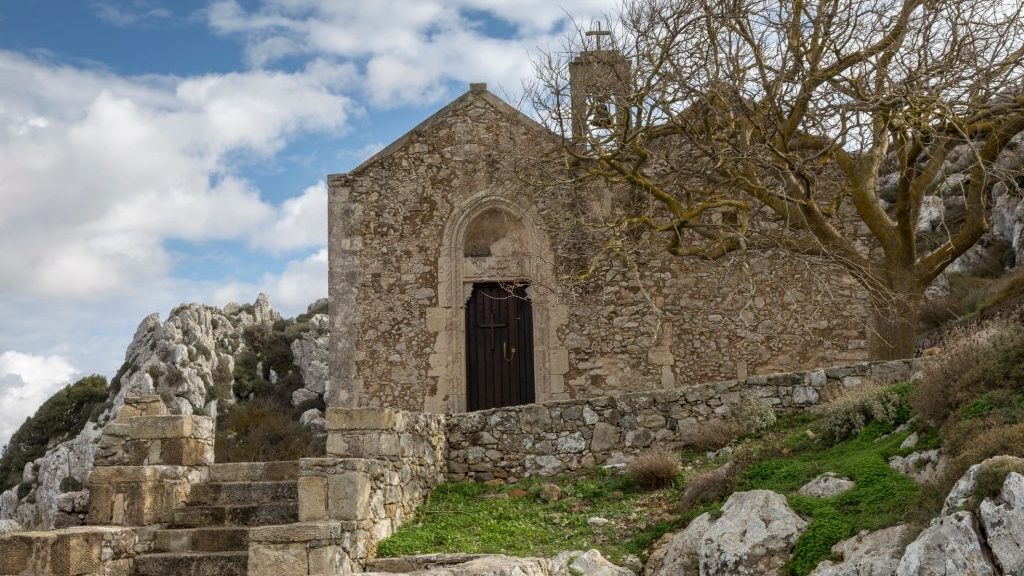
Kościół Agios Titos został pierwotnie zbudowany po wyzwoleniu Krety przez Nikiforosa Fokasa w 961 roku. W okresie weneckim został przekształcony w kościół katolicki, jednak nie stracił swojego bizantyjskiego charakteru.
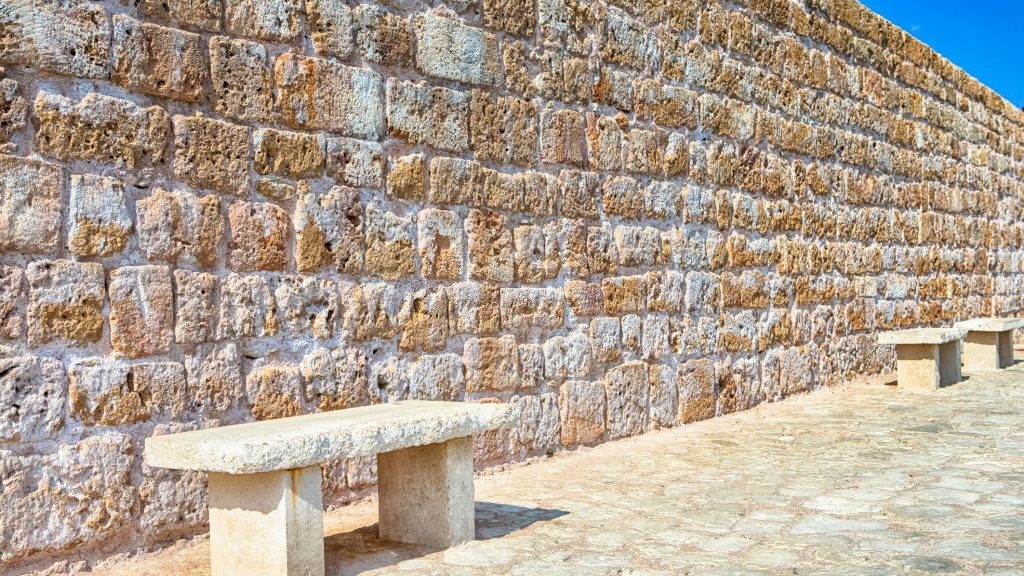
Already from the years of the First Byzantine Period (330-840 AD), the city of Heraklion had fortifications which were completed by both the Arab conquerors (840-961 AD) and the Byzantines (961-1204 AD) as well as by the Venetians after 1211 AD. However, the emerging threat of the Turks forced Venice to fortify the capital of Regno di Candia in the most modern and effective way at the time. The form of fortifications we see today is based on drawings by…
Czytaj więcej Czytaj więcej
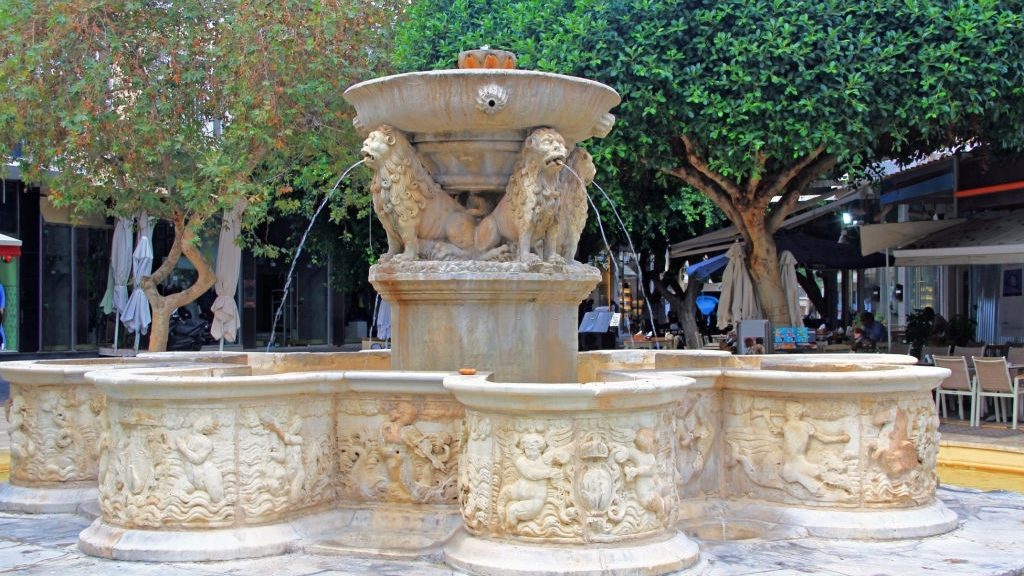
One of the most brilliant monuments of the city of Heraklion is the Fountain of Morosini or the “Lions“, as the residents of Heraklion call it.
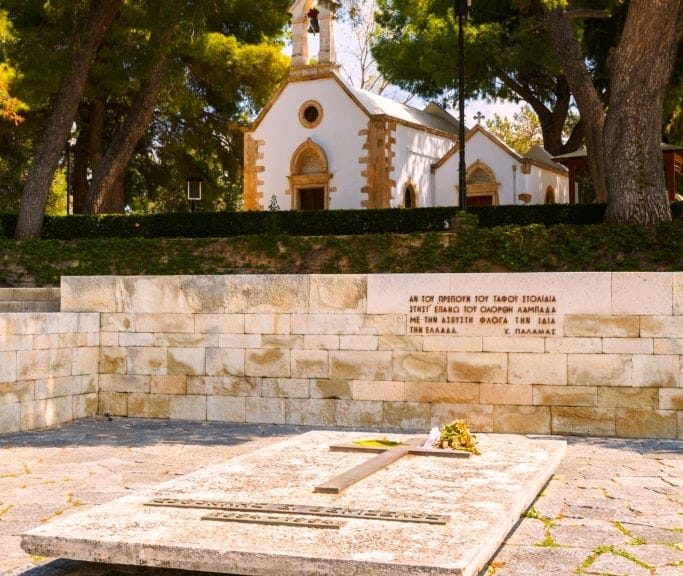
On the road towards Akrotiri peninsula, in a location with a unique panoramic view, are the tombs of Eleftherios and his son Sophocles Venizelos. Eleftherios Venizelos, Prime Minister of the Cretan State and later seven times of Greece, and Sophocles’, his second son who was also the Prime Minister of the country between 1943 and 1952, are buried in the park.
U wejścia do dużej zatoki Souda znajdują się dwie małe wyspy, które kontrolowały ruch statków do i z dużego naturalnego portu. Na większej z dwóch wysp Wenecjanie postanowili zbudować silną fortecę, aby chronić zatokę przed wrogimi i pirackimi statkami.
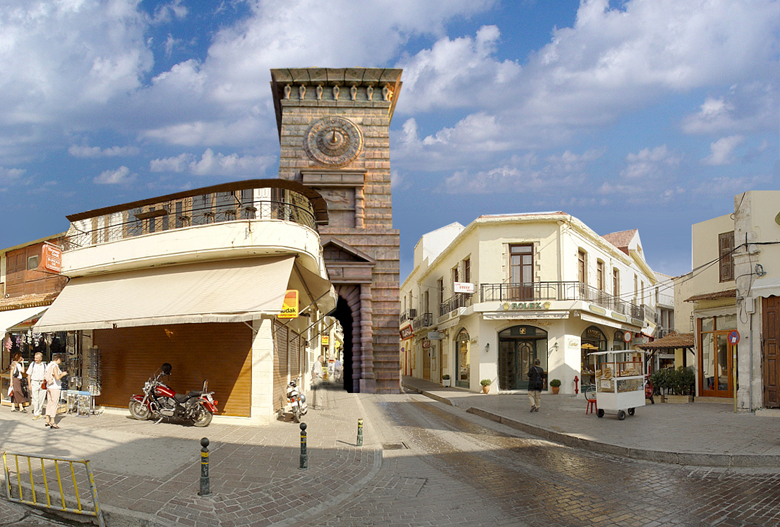
Słynna Wieża Zegarowa w Rethymno jest jednym z najbardziej znanych zabytków Rethymno, ale jest pewien haczyk. Ona już nie istnieje! Jedynym znakiem świadczącym o jej istnieniu jest część jej drzwi, którą można zobaczyć wbudowaną w sklep przy ulicy Arkadiou.
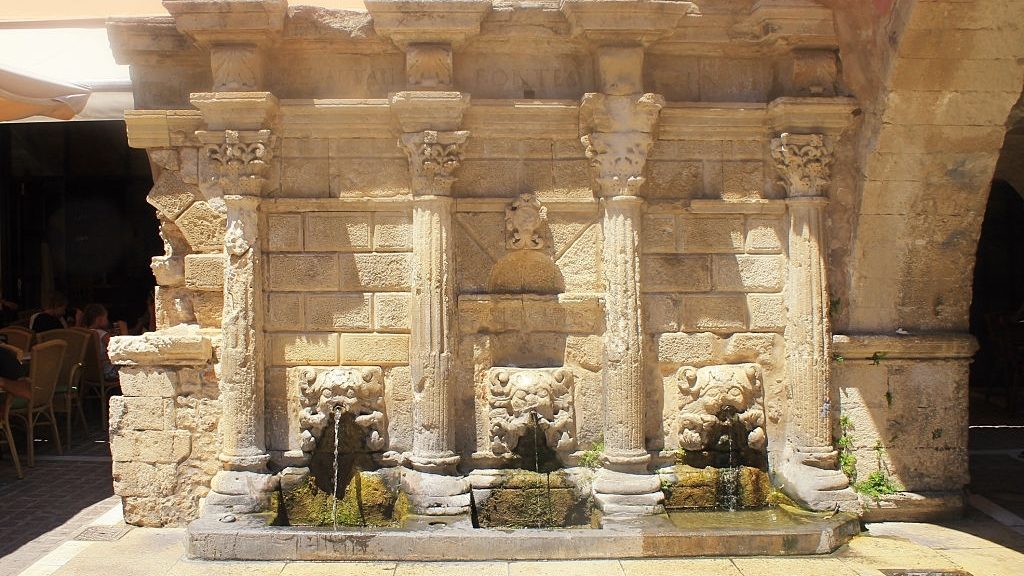
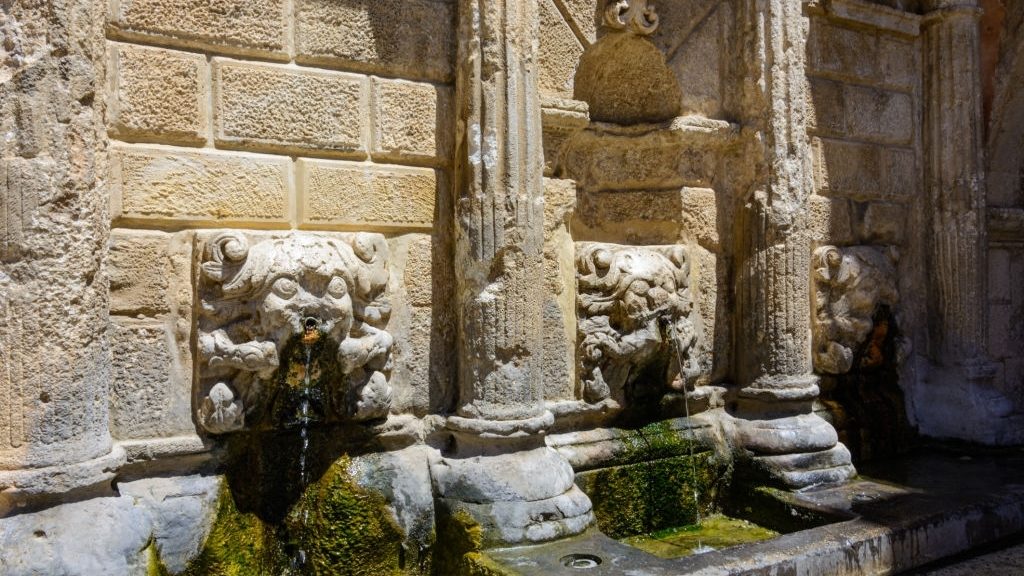
Fontanna Rimondi jest jedną z najbardziej znanych atrakcji miasta Rethymno, wraz z Bramą Guora, Wieżą Zegarową (która niestety już nie istnieje) i meczetem Kara Musa Phasha. Miasta na Krecie zawsze miały problem z zaopatrzeniem w wodę, z którym Wenecjanie zmierzyli się budując akwedukty i fontanny.
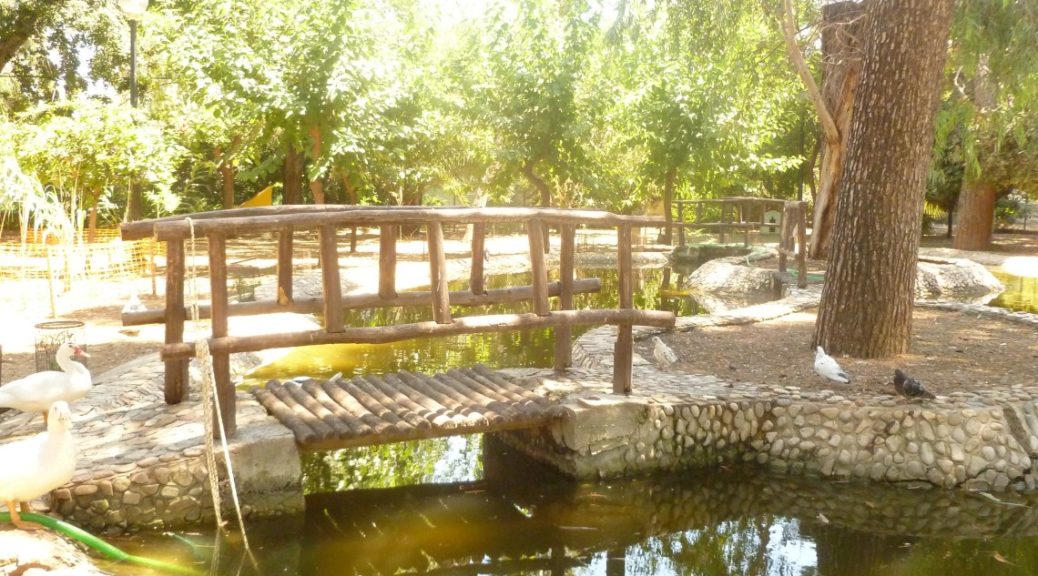
Oszałamiający Ogród Publiczny (Dimotikos Kipos) znajduje się w centralnej dzielnicy Chanii, niedaleko Rynku Miejskiego. W ostatnich latach panowania osmańskiego, w czasach, gdy miasto dusiło się w restrykcyjnych murach, potrzeba relaksującego miejsca do rekreacji była bardzo silna.
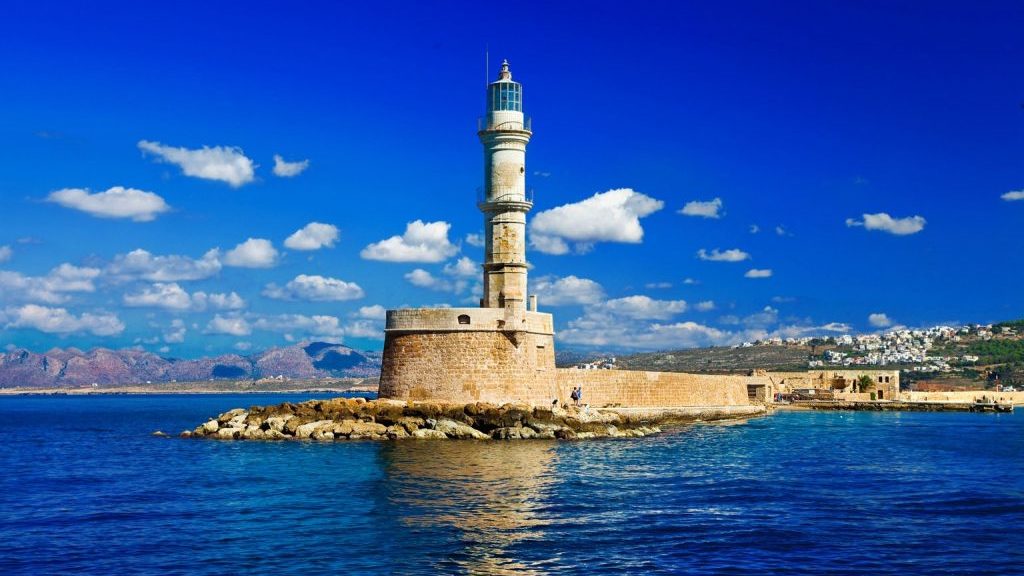
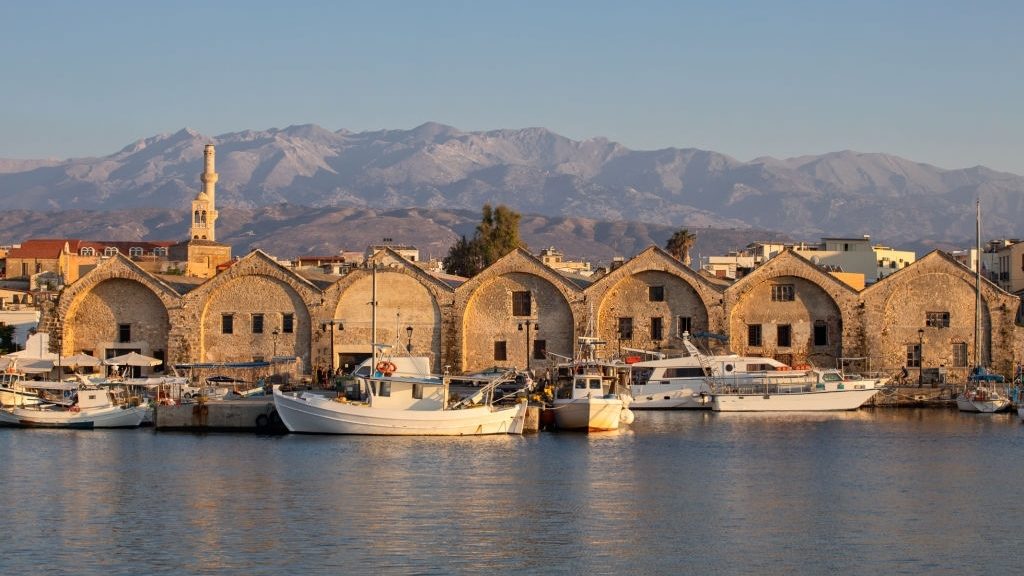
Port wenecki Port wenecki w Chanii, w tym wenecka latarnia morska, jest jednym z symboli miasta i ulubionym miejscem spacerów zarówno mieszkańców, jak i turystów.
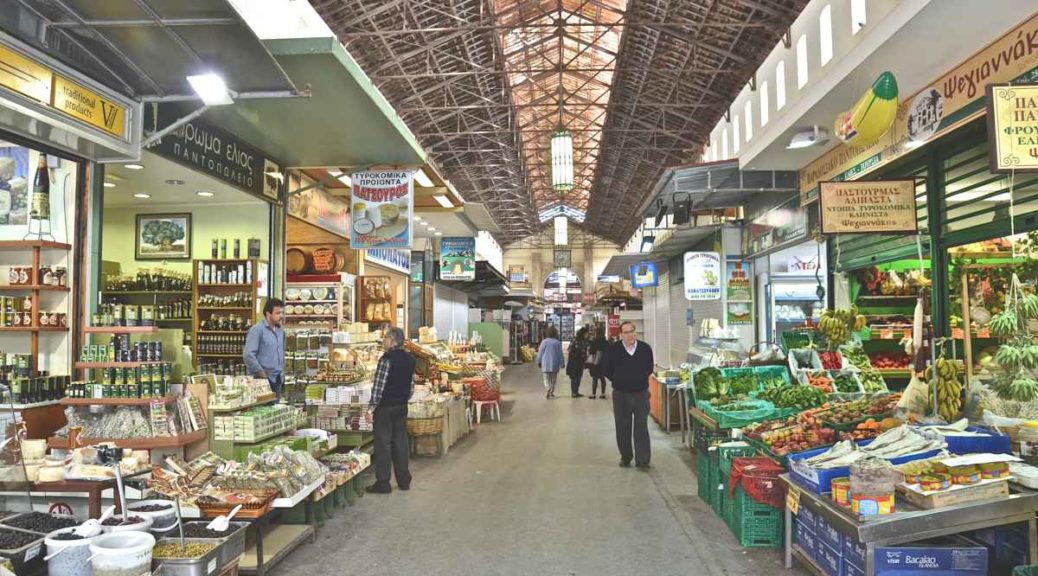
Targ miejski w Chanii to szczególnie tętniące życiem miejsce, pełne kolorów, zapachów i ciągłego ruchu, które oprócz tego, że jest popularną atrakcją turystyczną, jest nadal wykorzystywane przez mieszkańców.
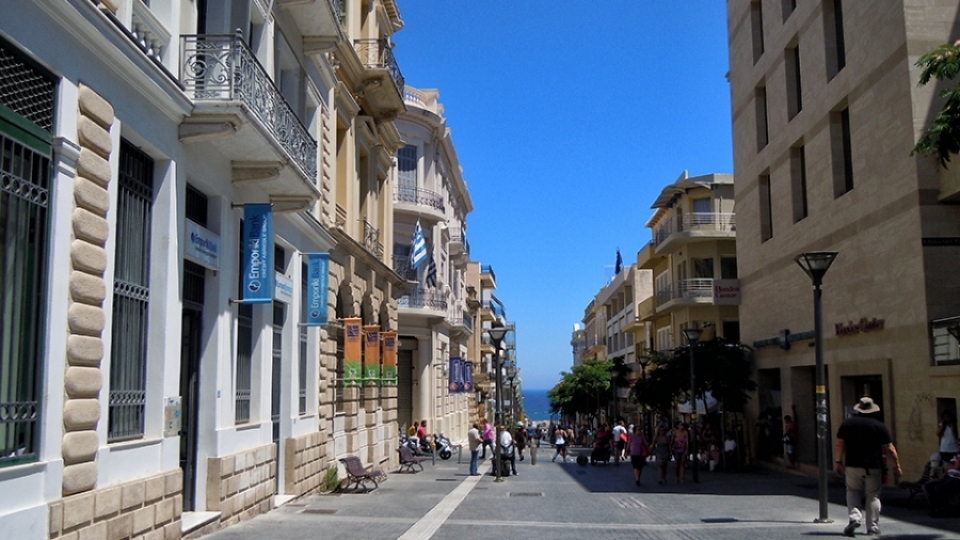
Already from the Venetian period, August 25 Street in Heraklion was one of the most important streets in the city even though it had not acquired its name yet. The road connects the port with Saint Mark’s square, and this is where the palatial mansion of the Venetian Duke was built.
The Lasithi Plateau is the largest mountain plain on the island, and the only one occupied all year-round. It spans an area that runs some 11 km east-west and 6 km north-south. Surrounding it are the peaks Selena (1559 m) at the north, Afendi (1588 m) and Louloudaki (1163 m) west, Spathi (2148 m) to the south and Katharo (1564 m) and Varsami (1545 m) to the east. Animal-rearing and agriculture were the main occupations here in the past. Perhaps…
Czytaj więcej Czytaj więcej
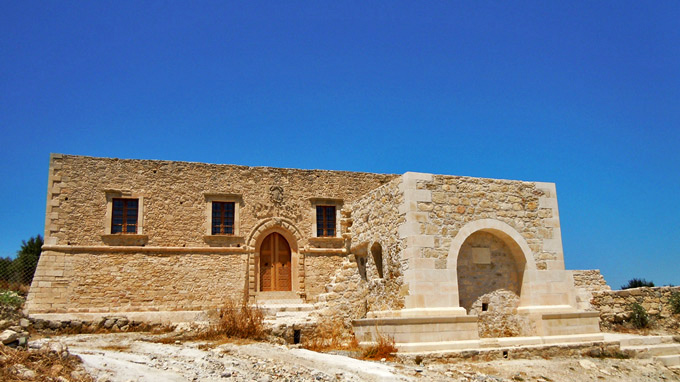
The Venetian villa Dei Mezzo, also known as the Seragio by the locals, is a once three-storied tower located at the village of Etia in eastern Crete, in the region of Sitia. The name of the village translates to “willow tree” in Greek even though it is uncertain how the connection was made.
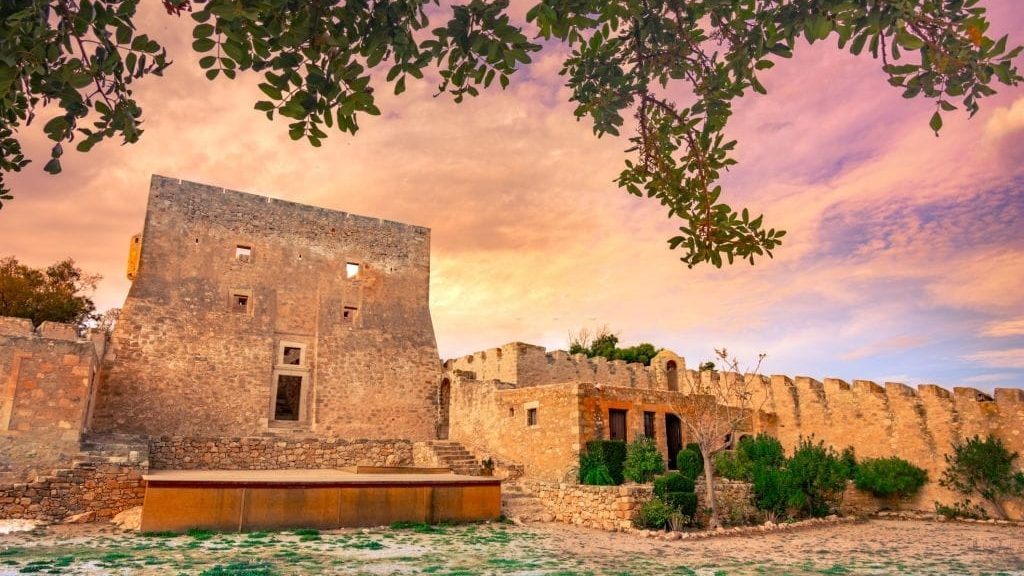
Nazwa Kazarma pochodzi od weneckiego Casa di Arma, co oznacza koszary lub zbrojownię. Rzeczywiście, były to koszary weneckiego garnizonu, kwatera główna armii ufortyfikowanego miasta Sitia. Mury Sitii, które sięgały tak wysoko jak twierdza, zostały zbudowane w tym samym czasie co Kazarma, w późnych latach bizantyjskich.
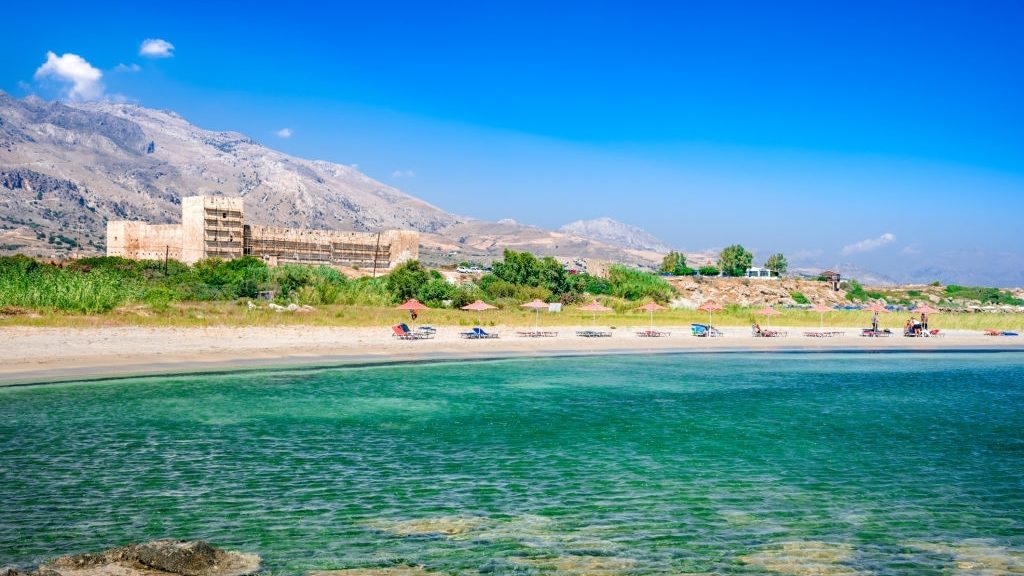
Obszar Frangokastello został nazwany na cześć fortecy zbudowanej tam przez Wenecjan w 1371 roku, aby kontrolować ten obszar. Uważa się, że do budowy wykorzystano materiały budowlane ze starożytnego miasta w regionie.
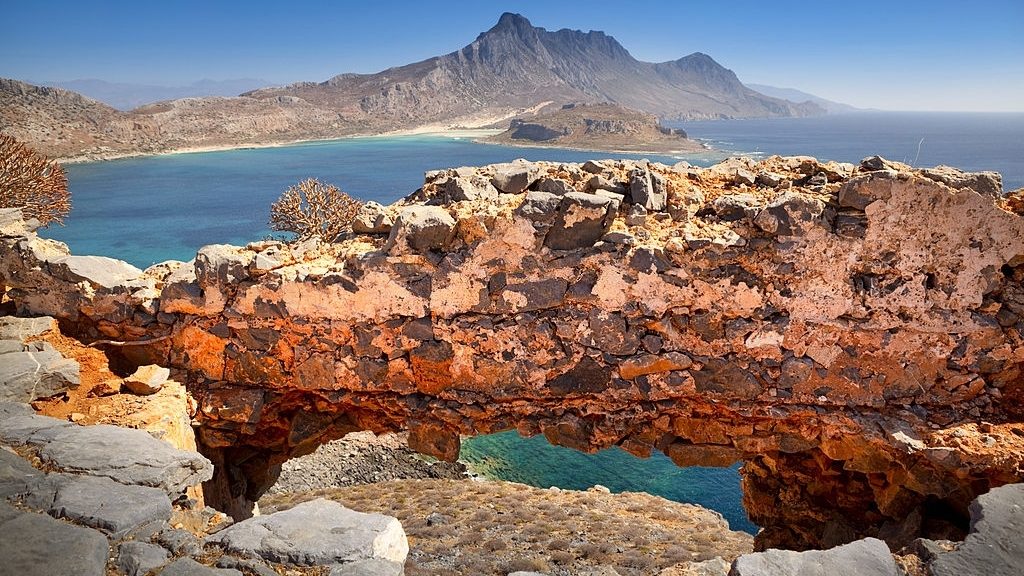
Wenecka twierdza Gramvoussa została zbudowana na niezamieszkanej, jałowej wyspie Imeri Gramvoussa, naprzeciwko półwyspu Gramvousa. To tutaj starożytne miasto Agneion kwitło w czasach rzymskich.
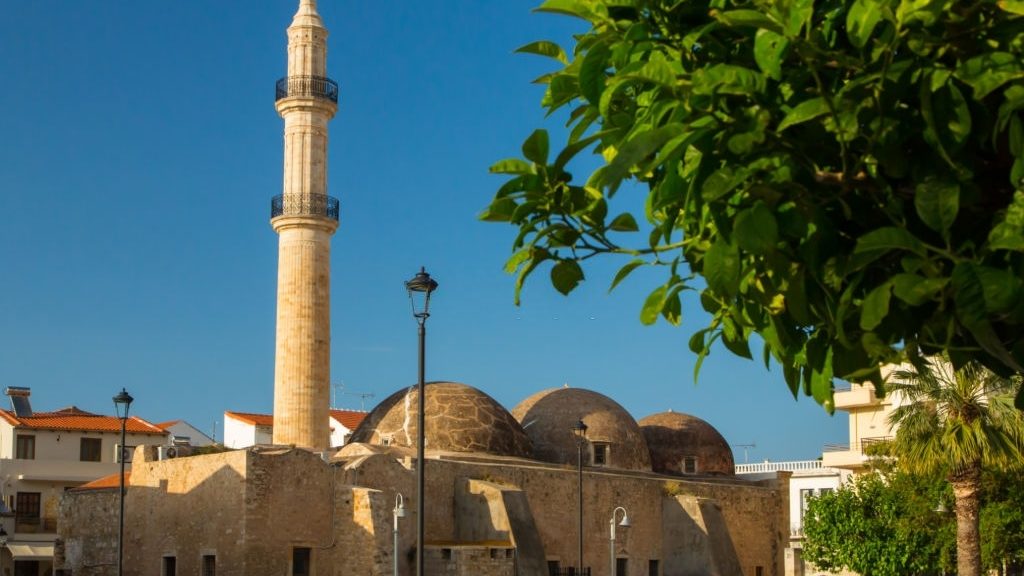
Meczet Nerantze jest jednym z najbardziej imponujących i najlepiej zachowanych zabytków starego miasta Rethymno, które, podobnie jak wiele innych budynków, przeszło znaczące zmiany, podobnie jak samo miasto.
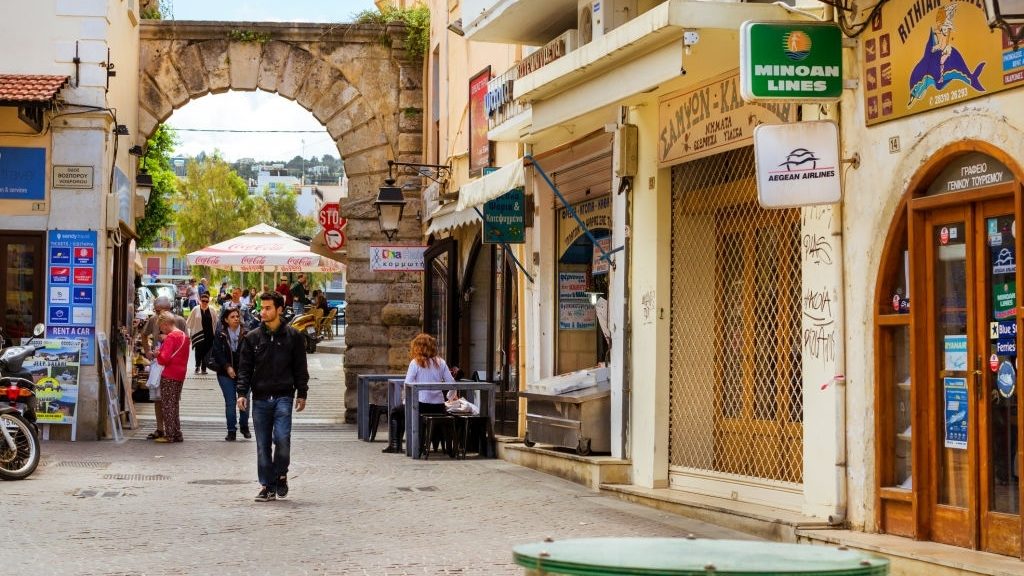
Brama Guora to wszystko, co pozostało z weneckich fortyfikacji Rethymno. Ta wspaniała brama, która została nazwana na cześć weneckiego rektora (= gubernatora) Giacomo Guoro, ma otwór o szerokości 2,60 m. Kiedyś było to główne wejście do otoczonego murami miasta i prowadziło do centralnego placu, na którym znajdowały się najważniejsze budynki publiczne Rethymno. (Loggia, fontanna Rimondi, wieża zegarowa).
Meczet Kara Moussa Paszy Meczet Kara Moussa Paszy został nazwany na cześć tureckiego dowódcy kampanii morskich prowadzonych przeciwko miastu Rethymno. Znajduje się w miejscu, w którym kiedyś znajdował się wenecki klasztor Agia Varvara.
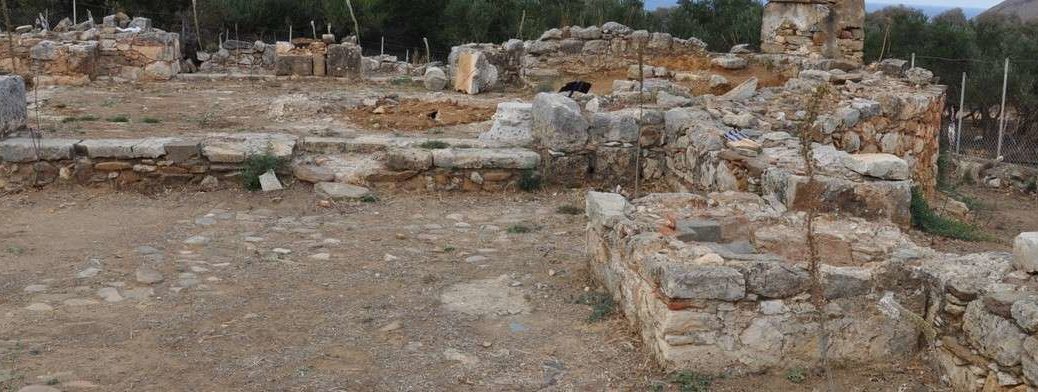
The archaeological site of the Basilica of Agia Sophia dates back to the early 6th century AD and is located south of the coastal settlement of Panormos and east of Rethymno. According to researchers, it was probably the Diocese’s seat of Eleftherna during the Early Byzantine years. It was most likely dedicated to Agia Sophia, hence the name and is one of the largest to be found in Crete.
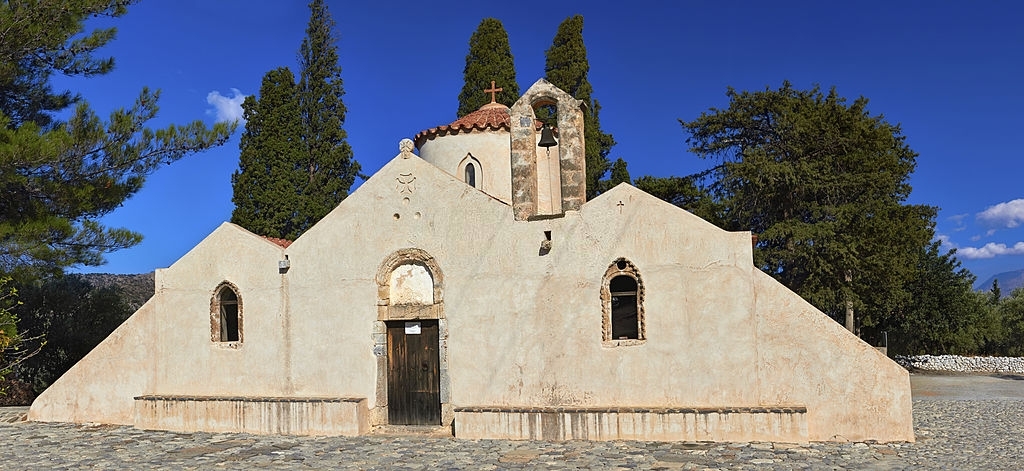
On the road from Agios Nikolaos to Kritsa, 1 km before the village, we meet the church of Panagia Kera. It is one of the most important Byzantine monuments of the island of Crete with impressive Byzantine frescoes. The church is three-aisled, vaulted with a dome and was built gradually starting in the 13th century. The central aisle is dedicated to the Virgin Mary and is the oldest (13th century) while the two side aisles were built later (14th century)…
Czytaj więcej Czytaj więcej
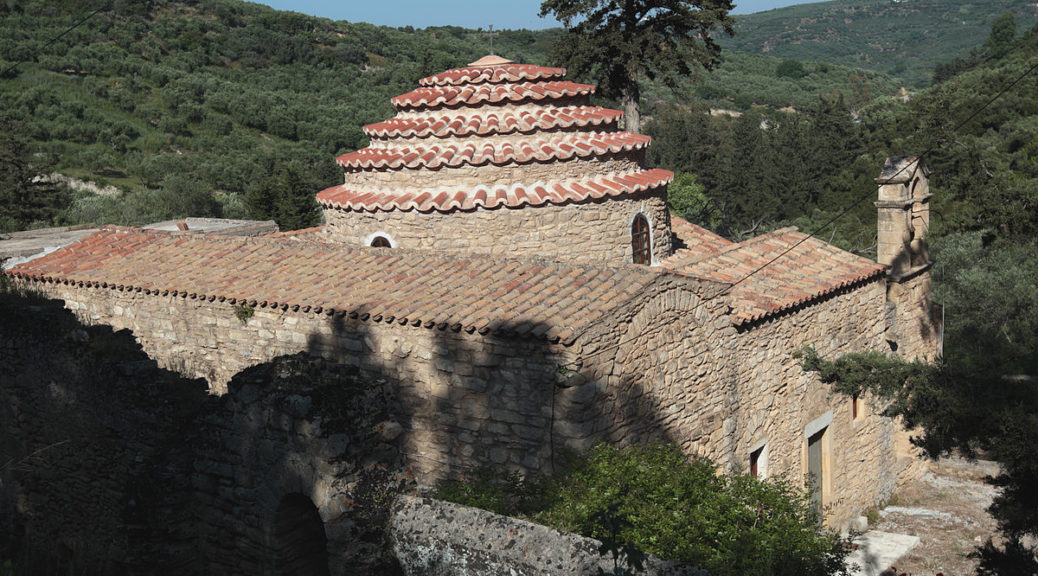
Rotunda Episkopi to niezwykły wczesnobizantyjski kościół poświęcony Archaniołowi Michałowi, który można zobaczyć w pobliżu wioski Kato Episkopi, w rejonie Kissamos. We wczesnych latach chrześcijaństwa była to siedziba biskupa Kissamos. W VI wieku naszej ery kościół przybrał formę, którą ma dzisiaj i od tego czasu jest nieprzerwanie używany.
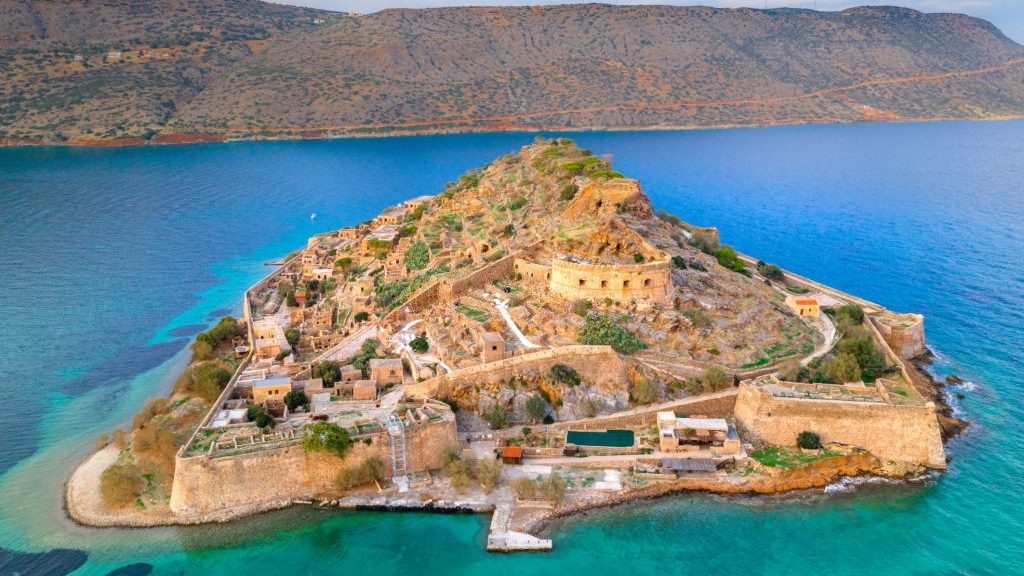
Spinalonga to mała wyspa-forteca położona przy północnym wejściu do zatoki Elounda, w strategicznym punkcie, który zapewnia kontrolę nad naturalnym portem Elounda. Starożytna fortyfikacja istniała na miejscu twierdzy, którą można zobaczyć dzisiaj, w celu ochrony portu starożytnego miasta Olous.
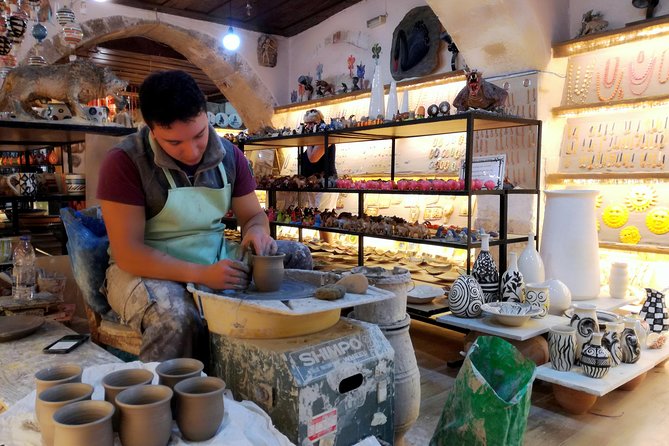
The pottery workshop “Keramos” is located in the village of Fodele, a place with characteristic natural beauty but also a special historical and artistic charge since, among other things, it is the special homeland of Dominikos Theotokopoulos.
Wioska Viola to opuszczona osada we wschodniej części Krety. Zajmuje północną i zachodnią stronę stromego wzgórza po wschodniej stronie płaskowyżu, na którym znajdują się wioski Ziros, Armeni i Handras.
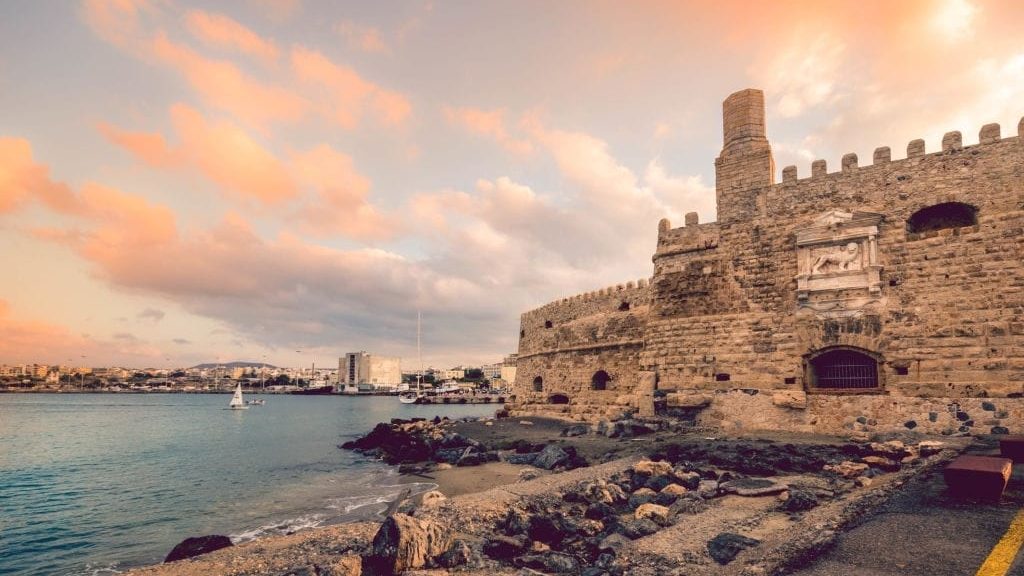
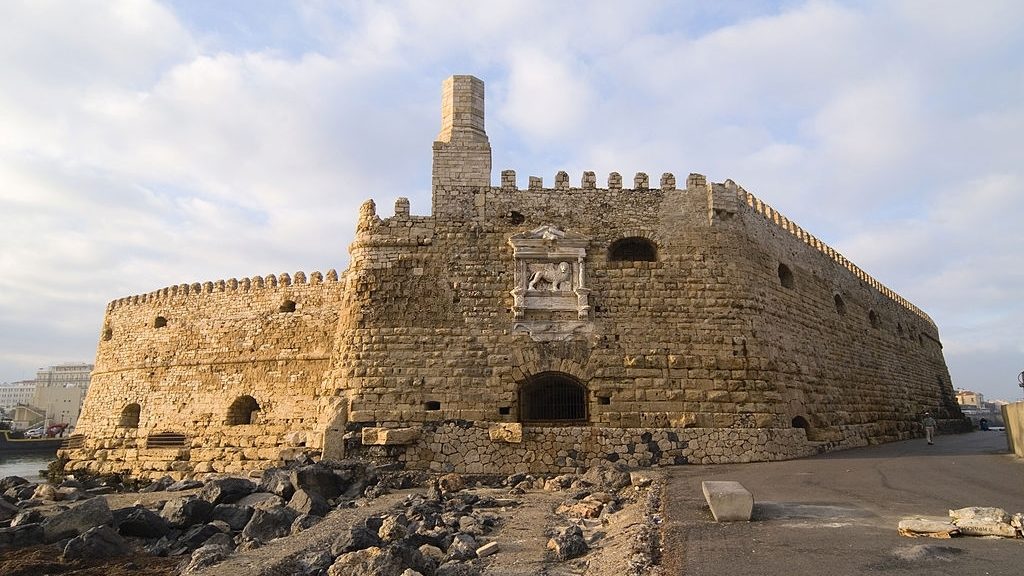
Twierdza Koules w mieście Heraklion jest częścią prac fortyfikacyjnych prowadzonych przez Wenecjan w XVI wieku, gdy był on częścią Republiki Weneckiej w celu obrony miasta portowego przed napastnikami. Dwie fortece zostały zbudowane na końcu każdego molo, jednak tylko największa z nich, tak zwana Koules, przetrwała do dziś.
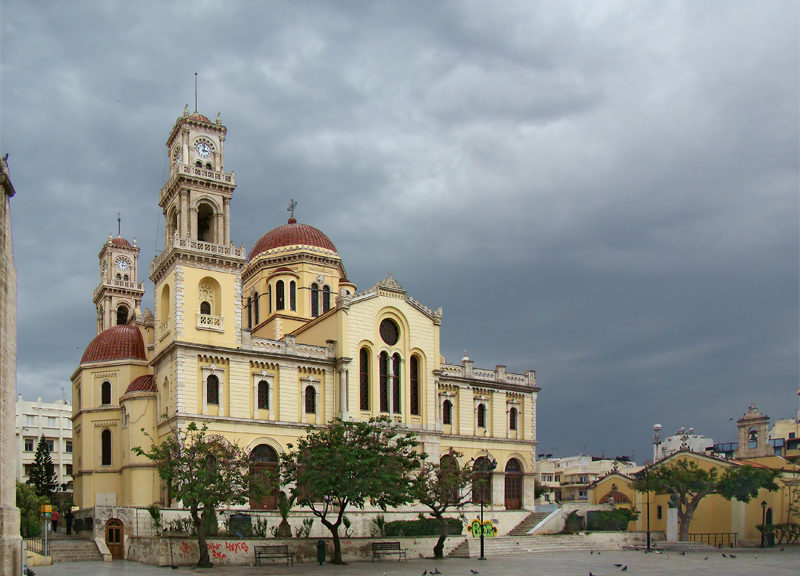
The cathedral of Saint Minas, patron saint of Heraklion since 1734 is located near the centre of the city following Vikela Street and then entering Agiou Mina Street. Near the cathedral, a much smaller and older church known as “Little Saint Minas” can also be seen. On the other side of the square, we find the church of Saint Catherine, and the square that is named after it, full of vibrant cafes, restaurants and shops.
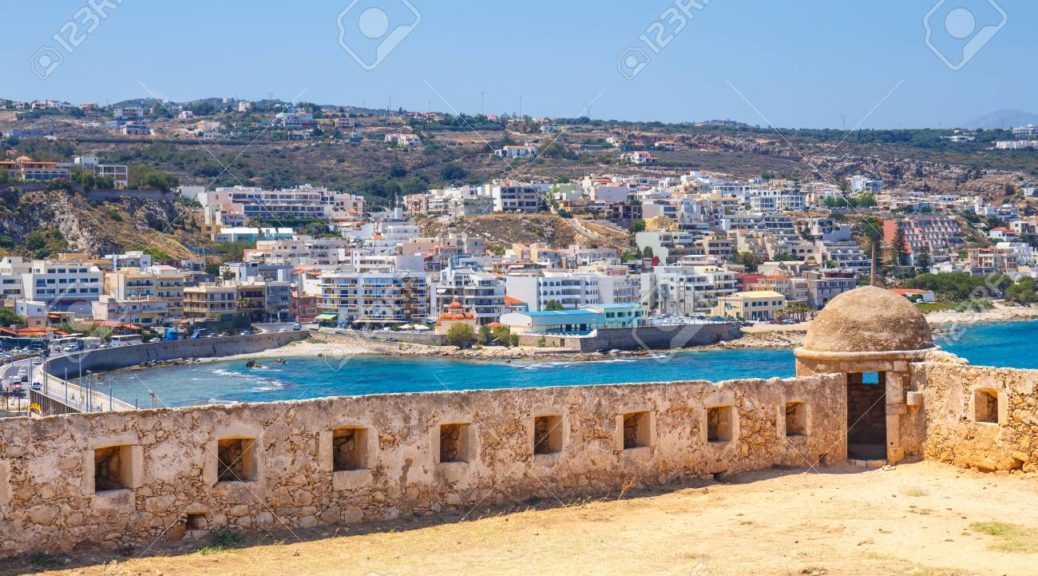
Fortezza to imponująca forteca, z której roztacza się widok na miasto Rethymno ze skalistego wzgórza Paleokastro. Możliwe, że w starożytności, zanim zbudowano średniowieczną Fortezza, na tym obszarze istniał akropol starożytnej Rithymny i świątynia Artemidy Rokkea.
Stare miasto w Chanii uosabia długą historię miasta. W malowniczych alejkach zwiedzający mogą zobaczyć ślady pozostawione przez każdą cywilizację, która osiedliła się tutaj w przeszłości.
The municipality of Viannos in the southeastern part of Heraklion is known for its wild beauty. Located at the foothills of Mount Dikti, it offers impressive geomorphological formations, beautiful plateaus and charming villages. During World War II, Viannos found itself at the centre of a mass extermination attack by Nazi soldiers, in reprisal for their support of the rebel forces. Most of the villages in the area were burned and looted while more than 500 people were executed during a…
Czytaj więcej Czytaj więcej
Znajdująca się na wysokości 2,456 metrów kaplica Timios Stavros (Święty Krzyż w języku greckim) uwiecznia starożytną praktykę kultu w sanktuariach na szczycie.
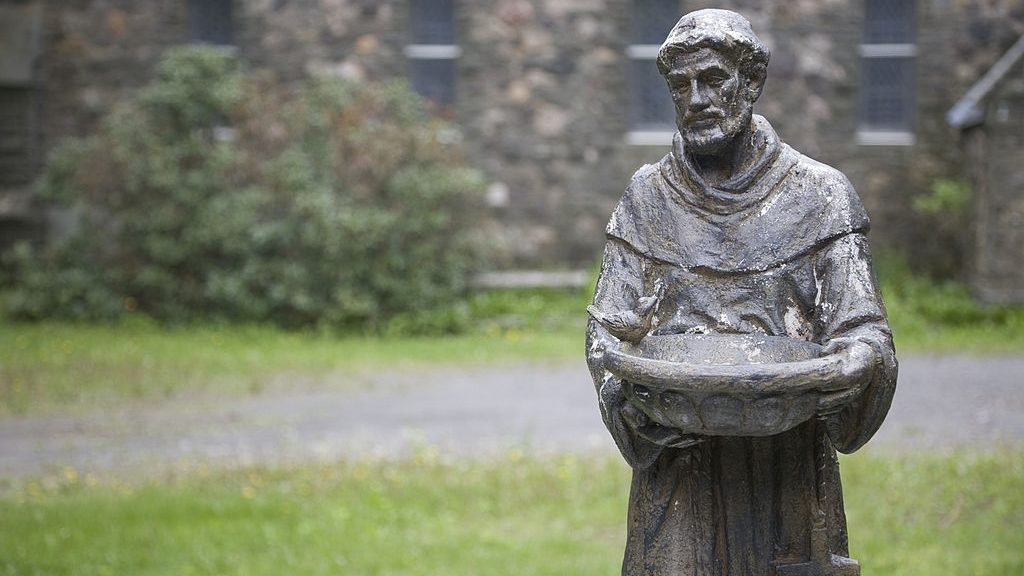
Saint Francis The single-aisled basilica of St. Francis belonged to the order of the Franciscans during Venetian rule and stands out both for its special architecture and its sculptural decoration. The Turkish conquerors turned it into a poorhouse and in 1796 established a girls’ school right next to it. To its east, the ruins of the two chapels can still be seen.
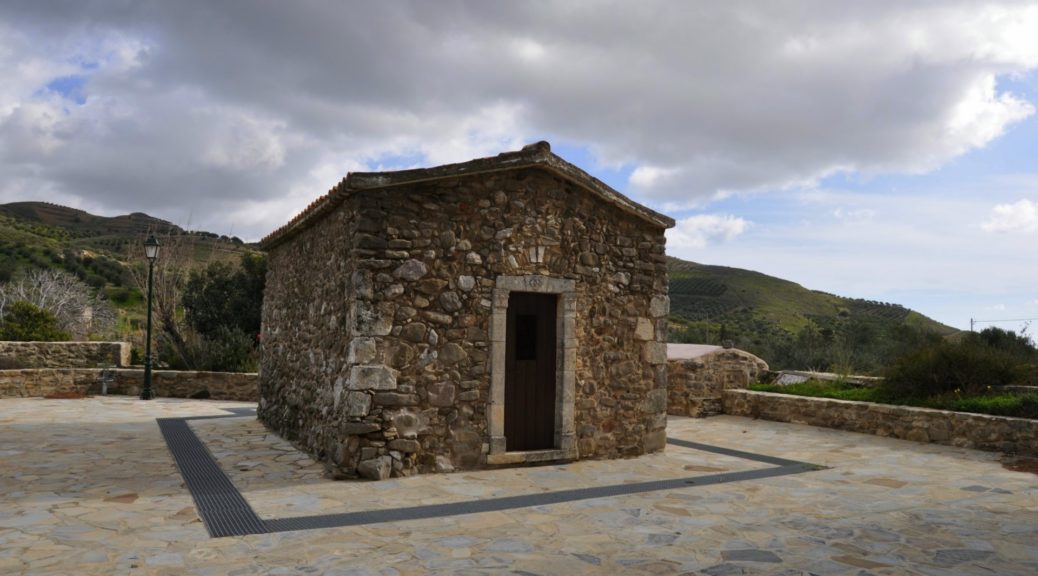
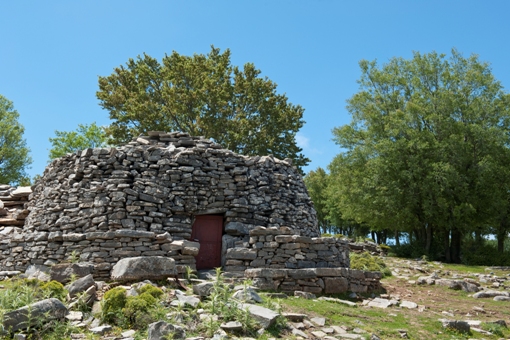
The name of these ancient, dry-stone constructions derives from the Latin word “metatum“, which means soldiers’ lodging. The word passed on to the Byzantines, meaning a temporary lodging, and it still has, more or less, the same meaning in Crete; mitata are used by shepherds as lodgings and storage rooms for cheese. They seem to have come about as a result of some ancient construction tradition and can be seen in various locations around the island but especially in the…
Czytaj więcej Czytaj więcej
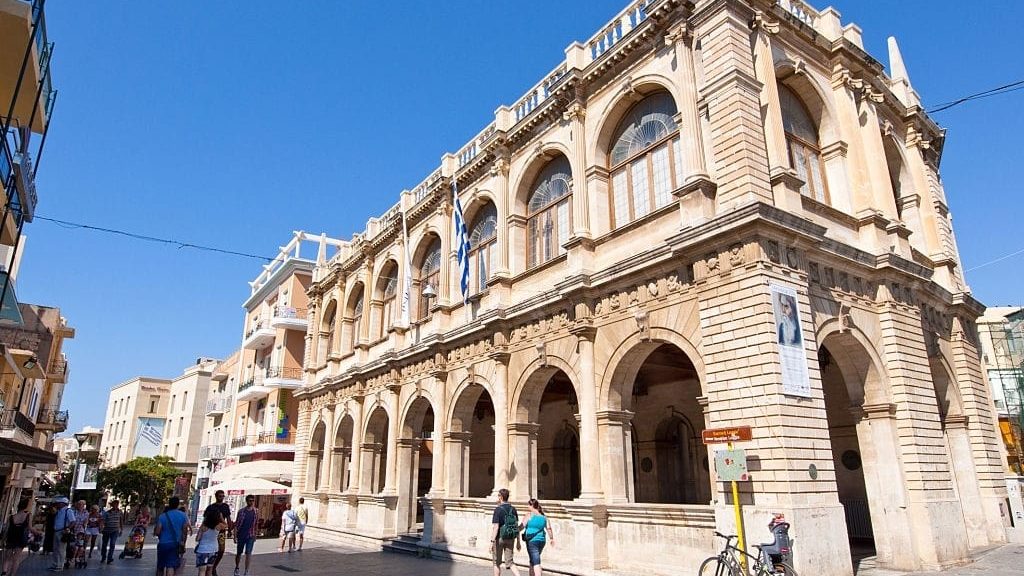
The Loggia (from the Italian word for “lodge“) is one of the most important buildings of the Venetian period in Crete. It was a kind of gentleman’s club, where the rich nobles and lords gathered. The building was built after 1541 probably with designs by Michel Sammicheliin Palladian style.
Miasto Chania zostało otoczone murami już w czasach bizantyjskich. Bizantyjskie fortyfikacje miały nieregularny kształt i otaczały wzgórze Kasteli. Mury te, zbudowane z kamieni oderwanych od ruin starożytnej Kydonii, zostały naprawione w 1252 r. przez weneckich zdobywców, którzy zbudowali nowe miasto w obrębie murów, zgodnie z nowym planem miasta.
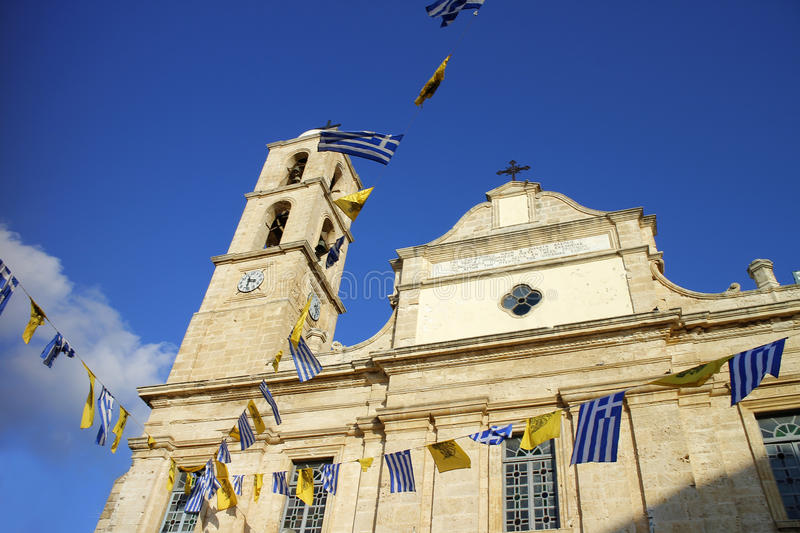
Katedra Ofiarowania Najświętszej Maryi Panny, znana również jako Panagia Trimartiri, jest uważana za opiekunkę miasta Chania. Centralna nawa poświęcona jest Ofiarowaniu Najświętszej Maryi Panny (Isodia tis Theotokou), które obchodzone jest 21 listopada. Nawa północna poświęcona jest św. Mikołajowi (Agios Nikolaos), a południowa - Trzem Ojcom Kapadockim (Tris Ierarhes).
 PL
PL  EN
EN  DE
DE  FR
FR  IT
IT  NL
NL