Monuments & Sights in Rethymno
Spis treści
Meczet Kara Moussa Paszy
The Meczet Kara Moussa Paszy został nazwany na cześć tureckiego dowódcy kampanii morskich, które zostały przeprowadzone przeciwko miastu Rethymno. Znajduje się tam, gdzie weneckie klasztor Agia Varvara kiedyś.
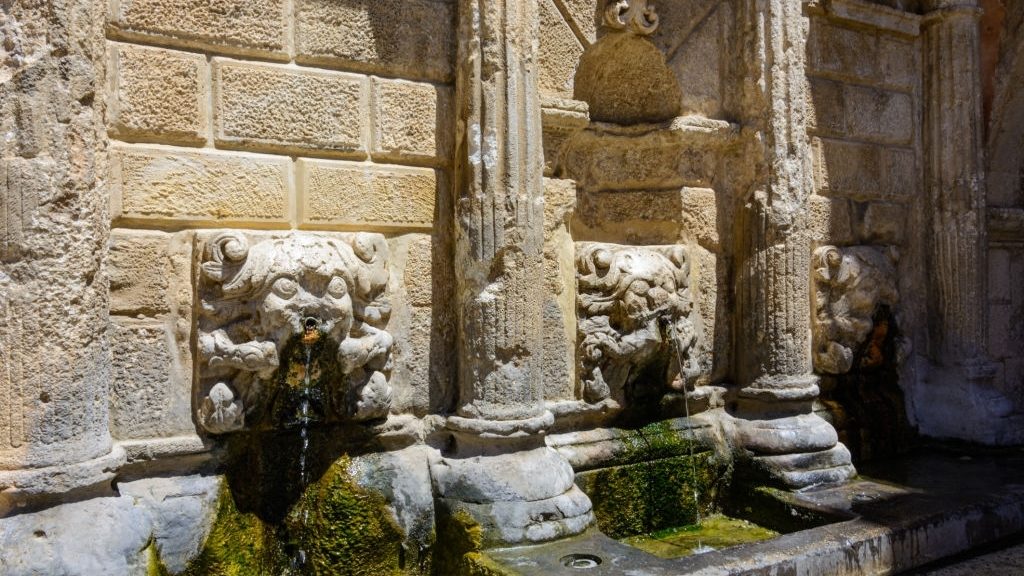
Jednym z jej najbardziej charakterystycznych elementów jest kopulasta fontanna, która służyła do rytualnego mycia, a także zaopatrywała okolicę w wodę. Fontanna Cesme type fountain has two façades, one on Arkadiou Street i jeden na dziedzińcu meczetu. Na dziedzińcu meczetu można również zobaczyć pozostałości minaretu, a także liczne stele nagrobne i tourbes (mauzoleum z okresu osmańskiego), w którym prawdopodobnie pochowany jest założyciel meczetu. Kara Musa Pasha został odwołany ze stanowiska Wielki Admirał marynarki wojennej Imperium Osmańskie po serii nieudanych kampanii morskich.
Szkoła turecka
Wschodnie wejście szkoły tureckiej można zobaczyć obok kościoła św. Franciszka. Jest to najstarszy budynek szkolny w mieście i nadal działa, mieszcząc 1. Szkoła podstawowa z Rethymno. Zachowany budynek został zbudowany w 1890 roku według projektu George Daskalakis. Pierwotny budynek (który nie przetrwał do dziś) został jednak zbudowany w 1795 roku, pod adresem Klapsa Edehem Bey’s expenses, a member of a well-known Turkish-Cretan family from Rethymno. A Turkish girls’ school operated here; girls were taught the Turkish and the Greek language, as well as various domestic subjects, whereas the boys attended school in separate buildings. From 1911 and on, it received Greek pupils as well, while from 1923 and thereafter, with the exchange of populations, it became an exclusively Greek school. The two-story building, which has 11 classrooms, has been listed as a preserved historical monument. The carved door of the eastern entrance is well worth noticing; the Ottomans narrowed the original Venetian one, and symbols of both conquerors are hewn into it. An impressive carving of a climbing vine, the all but destroyed carved lions and the symbols of the Ottoman Empire, with the Turkish half-moon, tell the history of the city itself.
 PL
PL  EN
EN  DE
DE  FR
FR  IT
IT  NL
NL