Monuments & Sights in Rethymno
Indice dei contenuti
La Moschea di Kara Moussa Pasha
Il Moschea di Kara Moussa Pasha prende il nome dal comandante turco delle campagne navali condotte contro la città di Rethymno. Si trova nel punto in cui la città di Venezia monastero di Agia Varvara era un tempo.
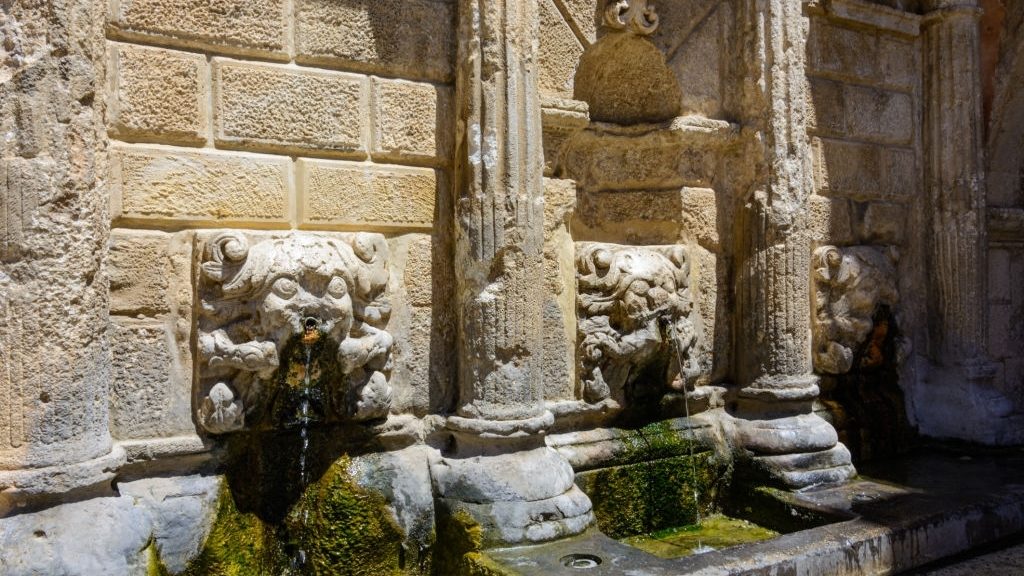
Uno dei suoi elementi più caratteristici è una fontana a cupola, che veniva utilizzata per i lavaggi rituali e riforniva d'acqua la zona. La Cesme type fountain has two façades, one on Via Arkadiou e uno nel cortile della moschea. Nel cortile della moschea sono visibili anche i resti del minareto, numerose stele funerarie e un tourbes (mausoleo di epoca ottomana), dove probabilmente è sepolto il fondatore della moschea. Kara Musa Pasha è stato licenziato dal suo ruolo di Grande Ammiraglio della marina del Impero ottomano dopo una serie di campagne navali fallite.
La scuola turca
L'ingresso orientale della scuola turca è visibile accanto alla chiesa di San Francesco. È l'edificio scolastico più antico della città ed è tuttora in funzione, ospitando la 1ª classe della scuola turca. Scuola primaria di Rethymno. L'edificio superstite è stato costruito nel 1890 su progetto di George Daskalakis. L'edificio originale (che oggi non sopravvive) fu però costruito nel 1795, a Klapsa Edehem Bey’s expenses, a member of a well-known Turkish-Cretan family from Rethymno. A Turkish girls’ school operated here; girls were taught the Turkish and the Greek language, as well as various domestic subjects, whereas the boys attended school in separate buildings. From 1911 and on, it received Greek pupils as well, while from 1923 and thereafter, with the exchange of populations, it became an exclusively Greek school. The two-story building, which has 11 classrooms, has been listed as a preserved historical monument. The carved door of the eastern entrance is well worth noticing; the Ottomans narrowed the original Venetian one, and symbols of both conquerors are hewn into it. An impressive carving of a climbing vine, the all but destroyed carved lions and the symbols of the Ottoman Empire, with the Turkish half-moon, tell the history of the city itself.
 IT
IT  EN
EN  DE
DE  FR
FR  NL
NL  PL
PL