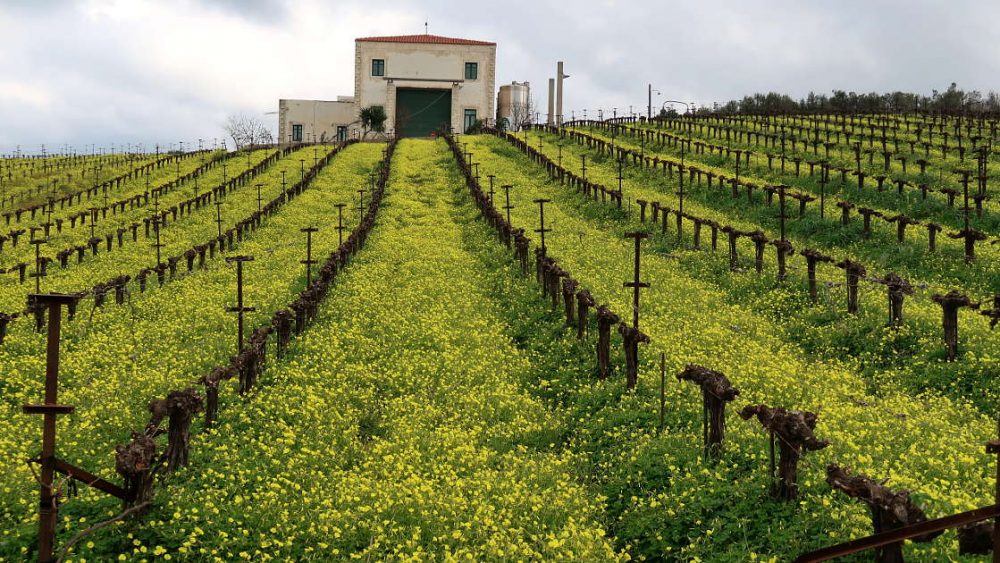
The most important wine-producing areas of the prefecture of Chania are located in the northwestern part. The “Wine Road” traverses the areas of Kissamos, Kolymbari, Mousouroi and Voukolies, passing through beautiful landscapes and historic sites. Wine-lovers have the opportunity to get to know the modern products of wineries in the Chania area at the Cretan Wine Festival held each year, usually in spring. Karavitakis vineyards The winery of Karavitaki Vineyards is located in Pontikiana in the area of Kolymvari in…
Leggi tutto Leggi tutto
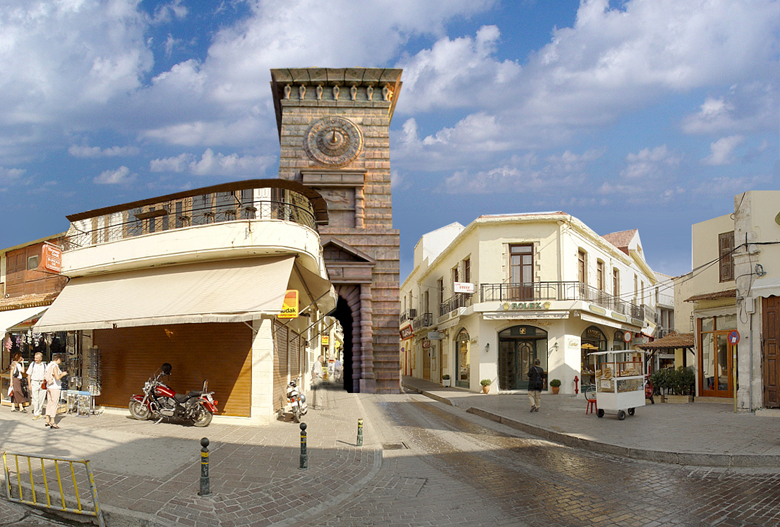
La famosa Torre dell'Orologio di Rethymno è uno dei monumenti più famosi di Rethymno, ma c'è un problema. Non esiste più! L'unico segno che testimonia la sua esistenza è una parte della sua porta che si può vedere costruita in un negozio di via Arkadiou.
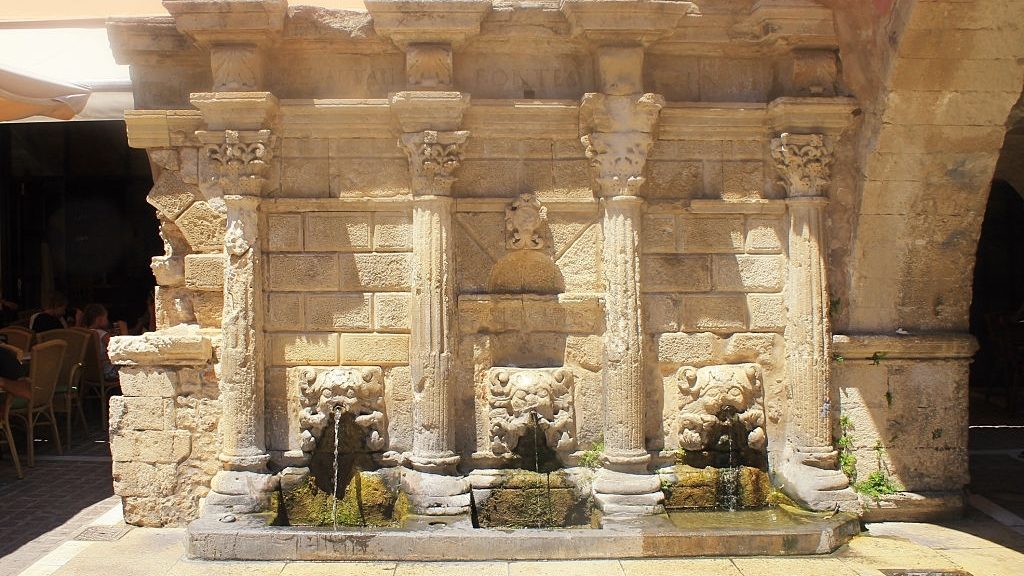
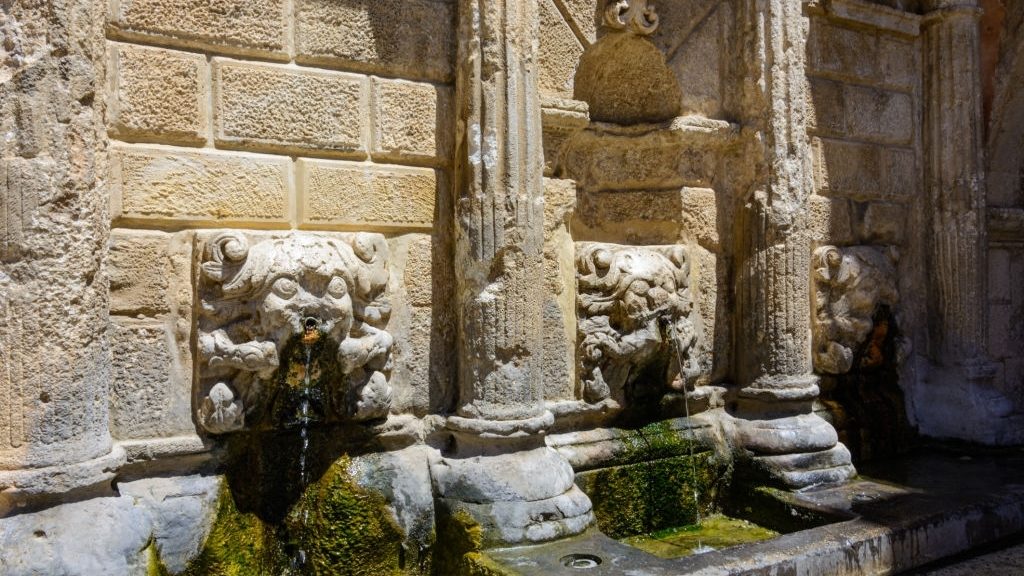
La Fontana di Rimondi è una delle attrazioni più note della città di Rethymno, insieme alla Porta Guora, alla Torre dell'Orologio (che purtroppo non esiste più) e alla moschea Kara Musa Phasha. Le città di Creta hanno sempre avuto un problema di approvvigionamento idrico, che i veneziani affrontarono costruendo acquedotti e fontane.
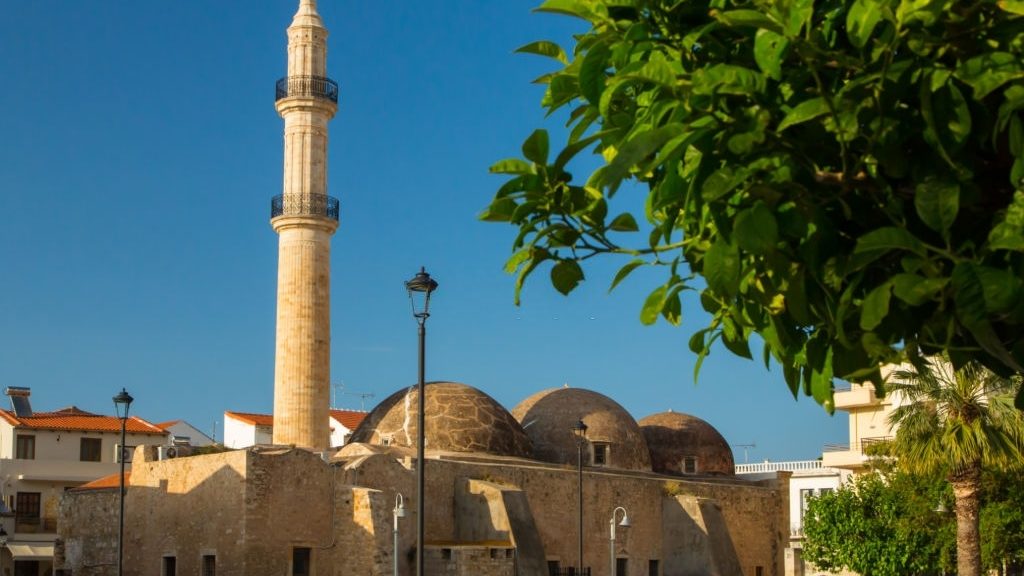
La Moschea di Nerantze è uno dei monumenti più imponenti e meglio conservati della città vecchia di Rethymno che, come molti altri edifici, ha subito notevoli cambiamenti, così come la città stessa.
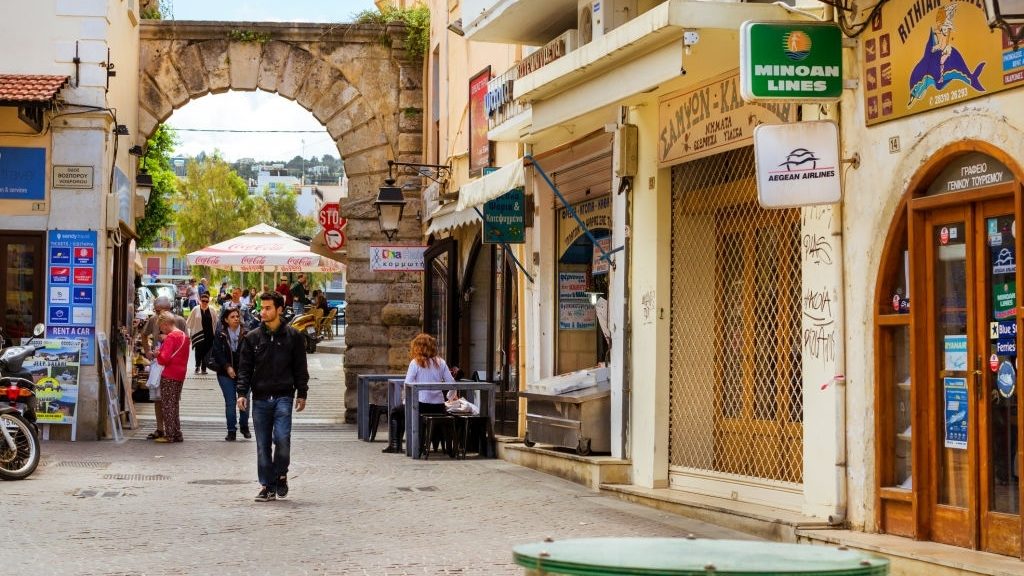
La Porta Guora è tutto ciò che resta della fortificazione veneziana di Rethymno. Questa magnifica porta, che prende il nome dal rettore (= governatore) veneziano Giacomo Guoro, ha un'apertura larga 2,60 metri. Era l'ingresso principale della città murata e conduceva alla piazza centrale, dove si trovavano i più importanti edifici pubblici di Rethymno. (la Loggia, la Fontana dei Rimondi, la Torre dell'Orologio).
Moschea di Kara Moussa Pasha La moschea di Kara Moussa Pasha prende il nome dal comandante turco delle campagne navali condotte contro la città di Rethymno. È situata dove un tempo si trovava il monastero veneziano di Agia Varvara.
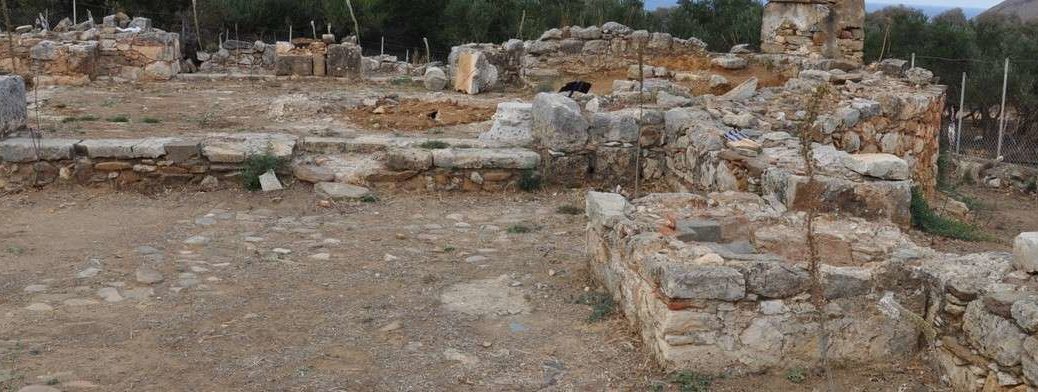
The archaeological site of the Basilica of Agia Sophia dates back to the early 6th century AD and is located south of the coastal settlement of Panormos and east of Rethymno. According to researchers, it was probably the Diocese’s seat of Eleftherna during the Early Byzantine years. It was most likely dedicated to Agia Sophia, hence the name and is one of the largest to be found in Crete.
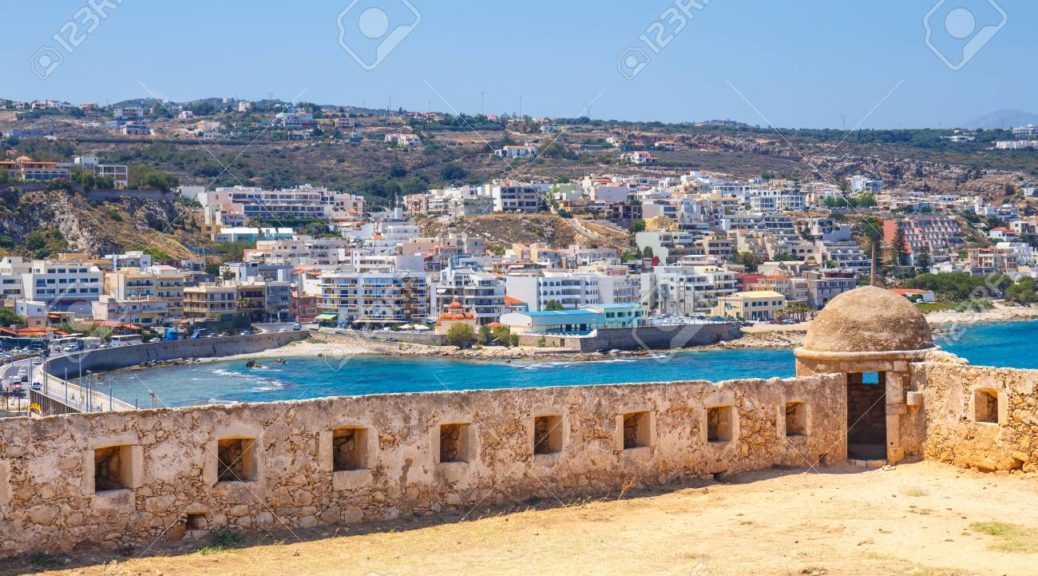
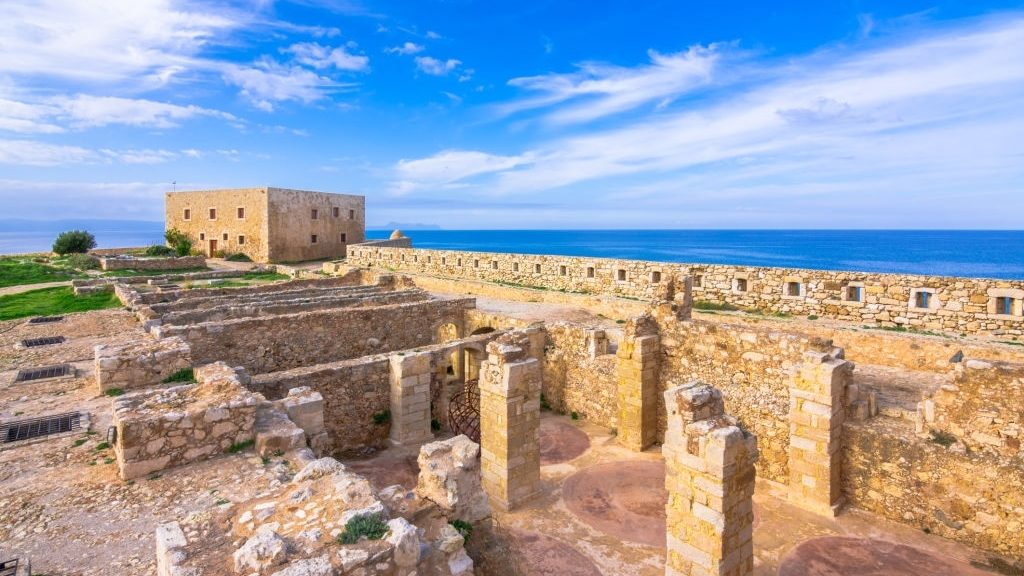
La Fortezza è un'imponente fortezza che domina la città di Rethymno dalla collina rocciosa di Paleokastro. È possibile che nell'antichità, prima della costruzione della Fortezza medievale, nella zona esistessero l'acropoli dell'antica Rithymna e il tempio di Artemide Rokkea.
A 2.456 metri di altitudine, la cappella di Timios Stavros (Santa Croce in greco) immortala l'antica pratica del culto nei santuari di punta.
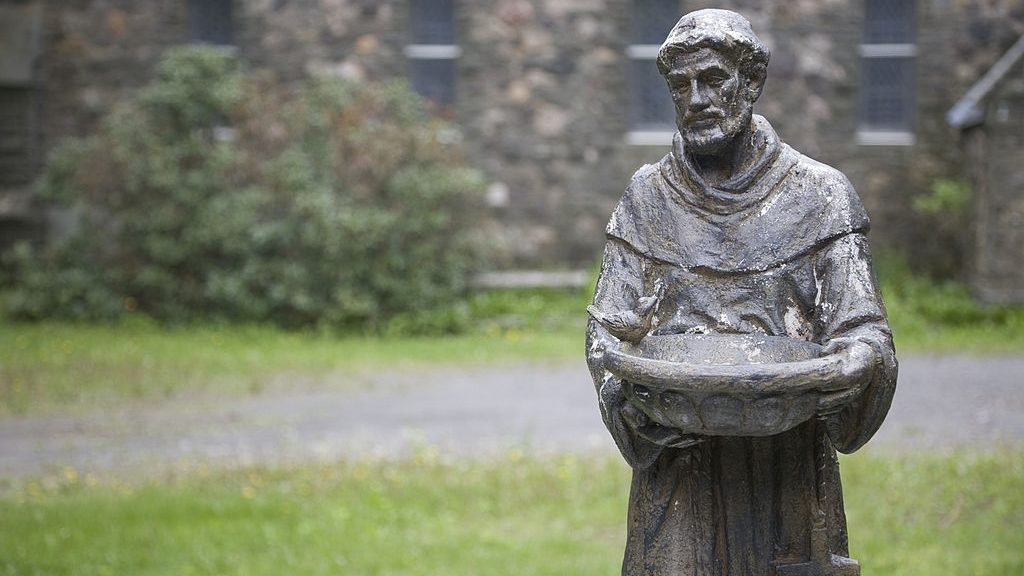
Saint Francis The single-aisled basilica of St. Francis belonged to the order of the Franciscans during Venetian rule and stands out both for its special architecture and its sculptural decoration. The Turkish conquerors turned it into a poorhouse and in 1796 established a girls’ school right next to it. To its east, the ruins of the two chapels can still be seen.
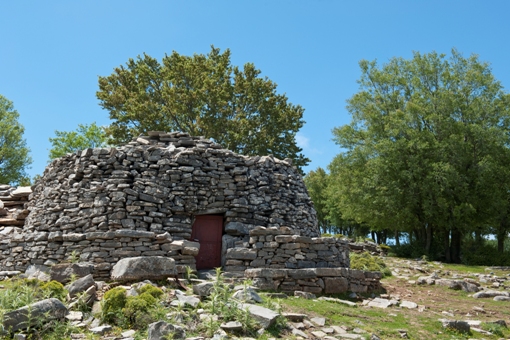
The name of these ancient, dry-stone constructions derives from the Latin word “metatum“, which means soldiers’ lodging. The word passed on to the Byzantines, meaning a temporary lodging, and it still has, more or less, the same meaning in Crete; mitata are used by shepherds as lodgings and storage rooms for cheese. They seem to have come about as a result of some ancient construction tradition and can be seen in various locations around the island but especially in the…
Leggi tutto Leggi tutto
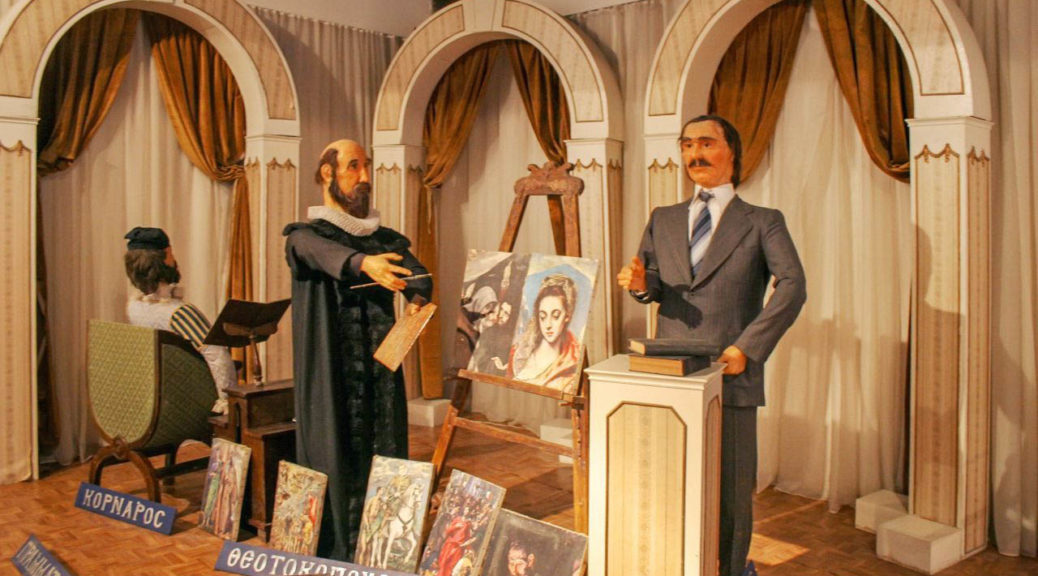
I musei che si possono visitare nella prefettura di Rethymno sono numerosi e coprono un'ampia gamma di interessi e settori, dai musei archeologici alle collezioni di arte popolare ed ecclesiastica, fino alle mostre di arte contemporanea.
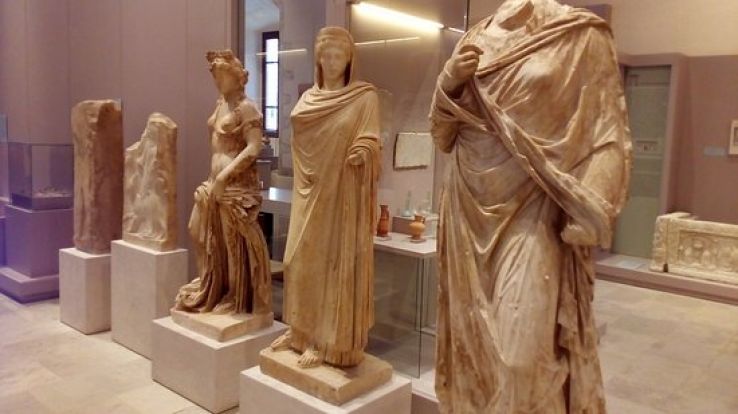
The Archaeological Museum of Rethymno is located in the centre of the Old Town of Rethymno and at a close distance to other historical and cultural areas for visitors to explore. The earliest collection of artefacts and exhibits of artistic and historical importance were gathered in 1888, on the initiative of the Greek Educational Association of Rethymno. Until 1990 the museum was accommodated in the Loggia, the most important meeting place at the time. In 1991 it was moved into…
Leggi tutto Leggi tutto
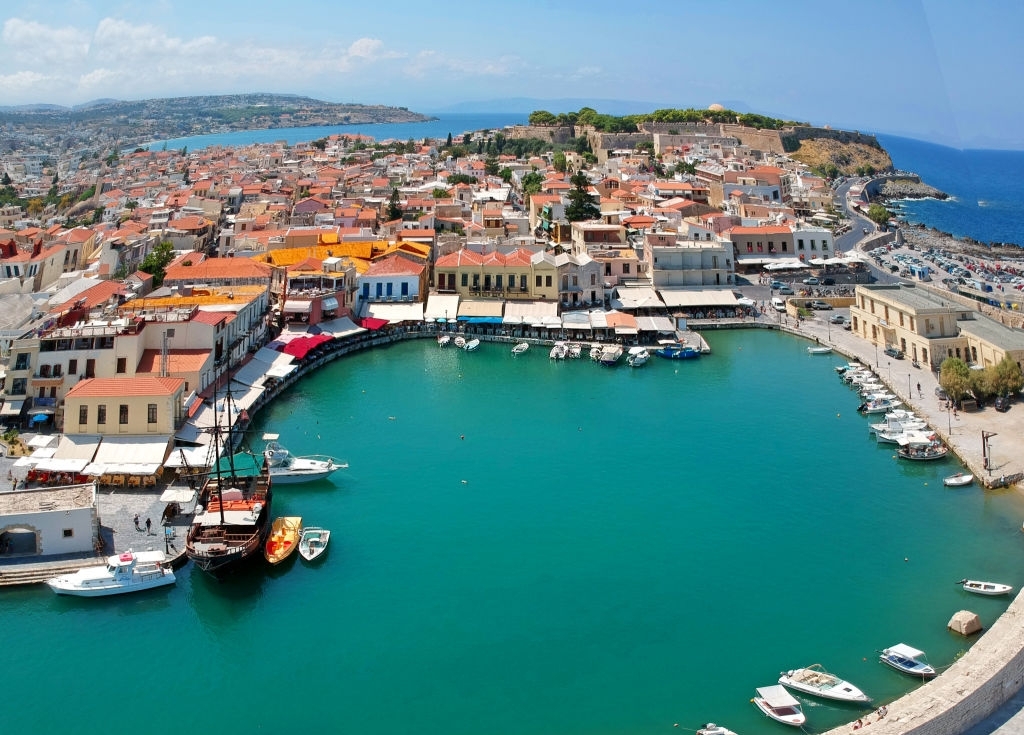
Le prime testimonianze di abitato della città di Rethymno risalgono al tardo minoico (1550-1250 a.C.). Tuttavia, l'antica città di Rithymna raggiunse il suo massimo splendore molto più tardi, tra il IV e il III secolo a.C..
 IT
IT  EN
EN  DE
DE  FR
FR  NL
NL  PL
PL