Many of the best-known Greek myths are set in the island of Crete. At its peak, the Minoan civilization (2000 – 1450 BC), and together, the island of Crete, was the dominant force in the East Mediterranean. It maintained control of the seas in the region, and so managed to diffuse and exert influence on various regions around the Mediterranean. It is believed that some of these myths and identities from the early Minoan religion, found their way later into…
Leggi tutto Leggi tutto
Dopo molti tentativi falliti, la vittoriosa rivolta dei cretesi tra il 1896 e il 1898 costrinse le Grandi Potenze a fare pressione sul Sultano affinché concedesse l'autonomia a Creta. Ciò portò alla creazione dello Stato cretese semi-autonomo, con il principe Giorgio di Grecia come Alto Commissario e Chania come capitale.
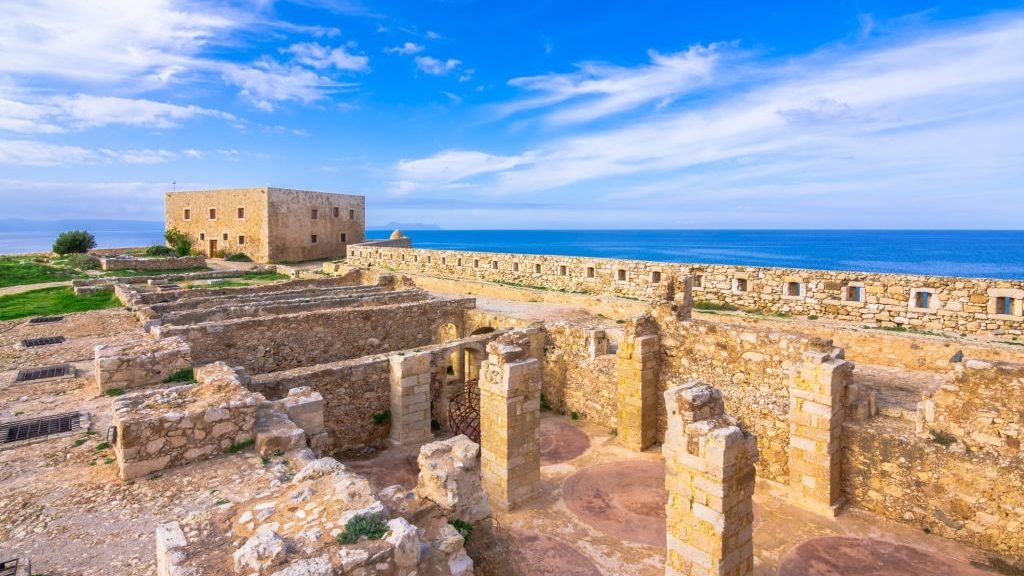
La città di Heraklion, l'ultima principale roccaforte veneziana a Creta, cadde nel 1669, dopo quello che fu forse il più lungo assedio della storia. Lotte sanguinose e rivolte contro il dominio ottomano portarono all'autonomia di Creta nel 1898. Questo periodo continuò fino al 1913, quando l'isola ottenne l'unione con il resto della Grecia.
During the first centuries of the AD era and onto the Middle Ages, Crete passed from one hand to another, due to its strategic position in the Mediterranean. As a result, the islanders were in a constant struggle for their freedom, wishing to get rid of the harsh and brutal conditions imposed upon them by the conquerors. The island passed successively into the hands of the Byzantines, the Arabs, the Byzantines again and the Venetians, but it continued to safeguard…
Leggi tutto Leggi tutto
Nel corso degli anni, le tribù greche dell'entroterra migrarono gradualmente verso l'isola di Creta. La civiltà minoica entrò nella sua fase finale di declino intorno al 1300 a.C. e l'isola di Creta fu afflitta da disastri naturali e terremoti distruttivi.
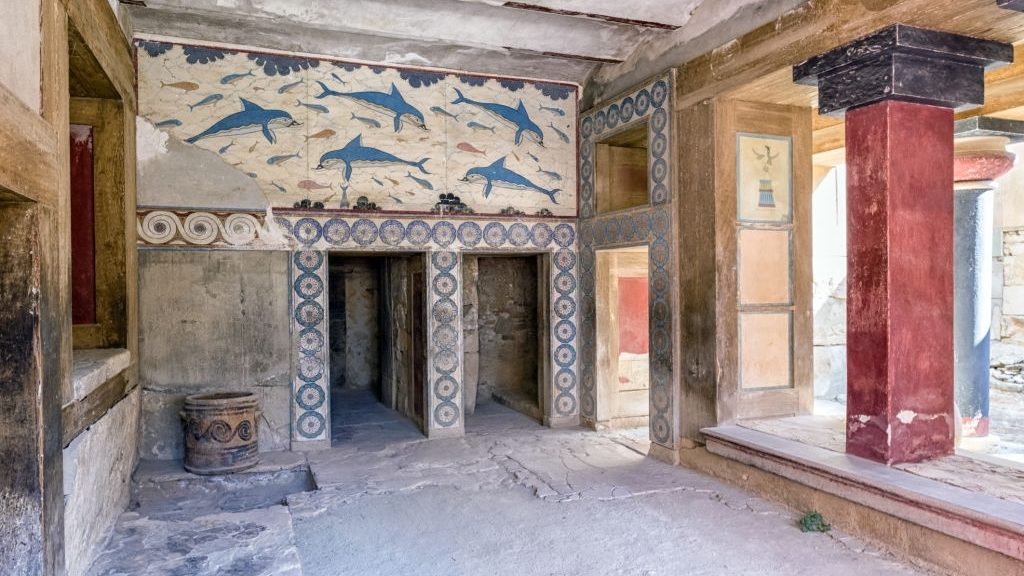
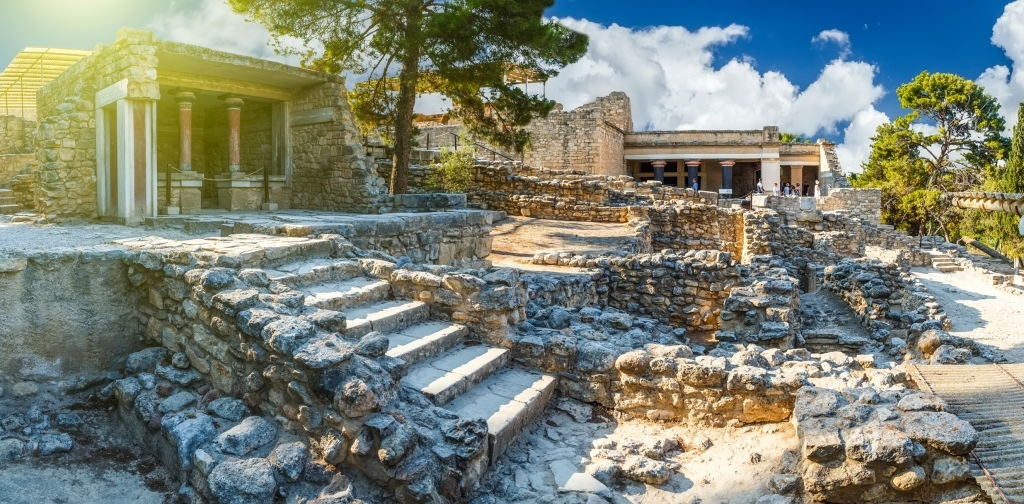
La presenza neolitica sull'isola di Creta lascia il posto alle meraviglie della civiltà minoica. Il nome è stato attribuito a quest'epoca dagli studiosi moderni, come riferimento al mitico re Minosse, sovrano del regno e del palazzo di Cnosso.
 IT
IT  EN
EN  DE
DE  FR
FR  NL
NL  PL
PL