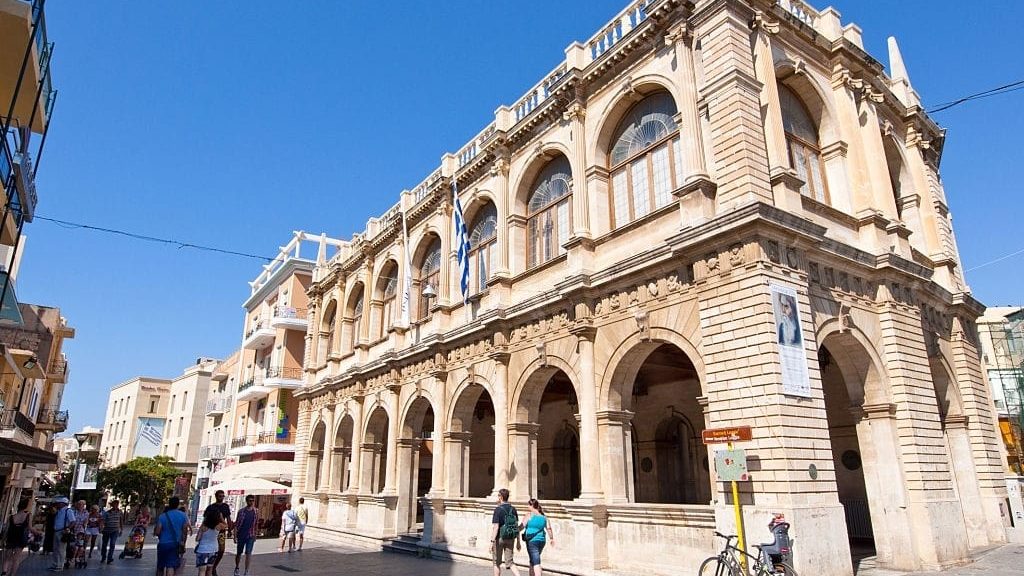
Venetian Loggia – Heraklion Town Hall
De Loggia (from the Italian word for “lodge“) is one of the most important buildings of the Venetian period in Kreta. It was a kind of gentleman’s club, where the rich nobles and lords gathered. The building was built after 1541 probably with designs by Michel Sammicheliin Palladiaanse stijl.
Het werd na 1628 in zijn huidige vorm herbouwd door Francisco Morosini. Andere monumenten die Morosini’s handtekening zijn de Fontein van Morosini (commonly referred to as the “Lions” and the construction of the aqueduct that made it possible for the city of Heraklion to have water. This was the final of four Loggia's, and very little information is available for the previous three or why the buildings didn’t survive. The Loggia was het centrum van het economische en sociale leven in de stad, waar heren samenkwamen om over politiek te discussiëren of om te ontspannen en te socializen. Tijdens de Middeleeuwen, most Italian cities had established “Loggias”. We also find a Loggia in the city of Rethymnowaar vroeger de Archeologisch Museum al bijna 40 jaar. Het ontwerp wordt vaak gekenmerkt door een vierkant gebouw met een open boog die over het plein uitkijkt.
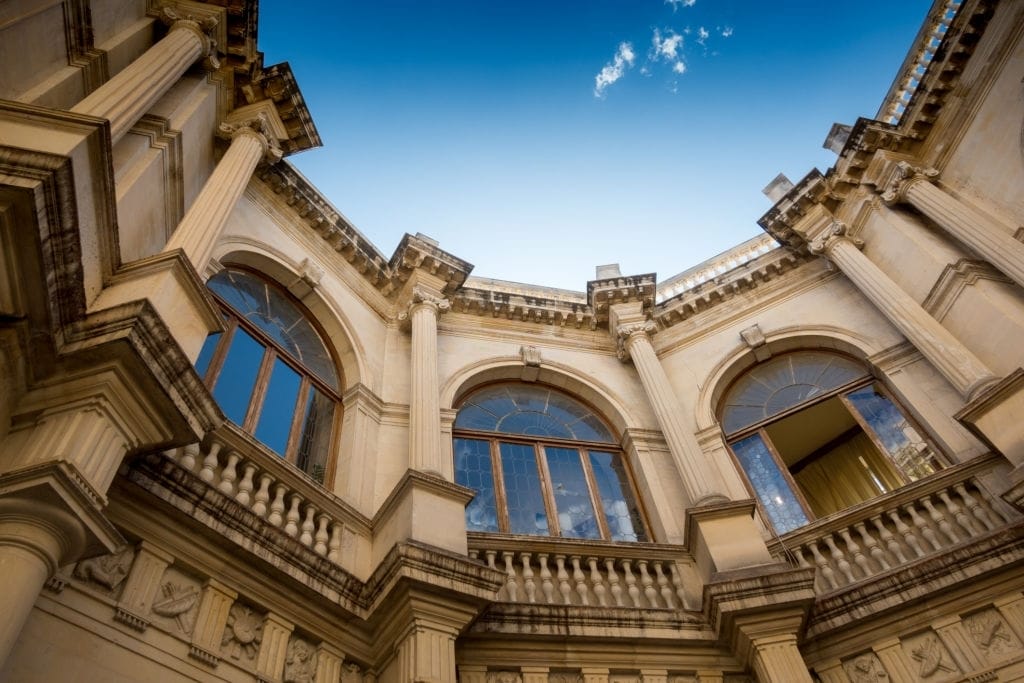
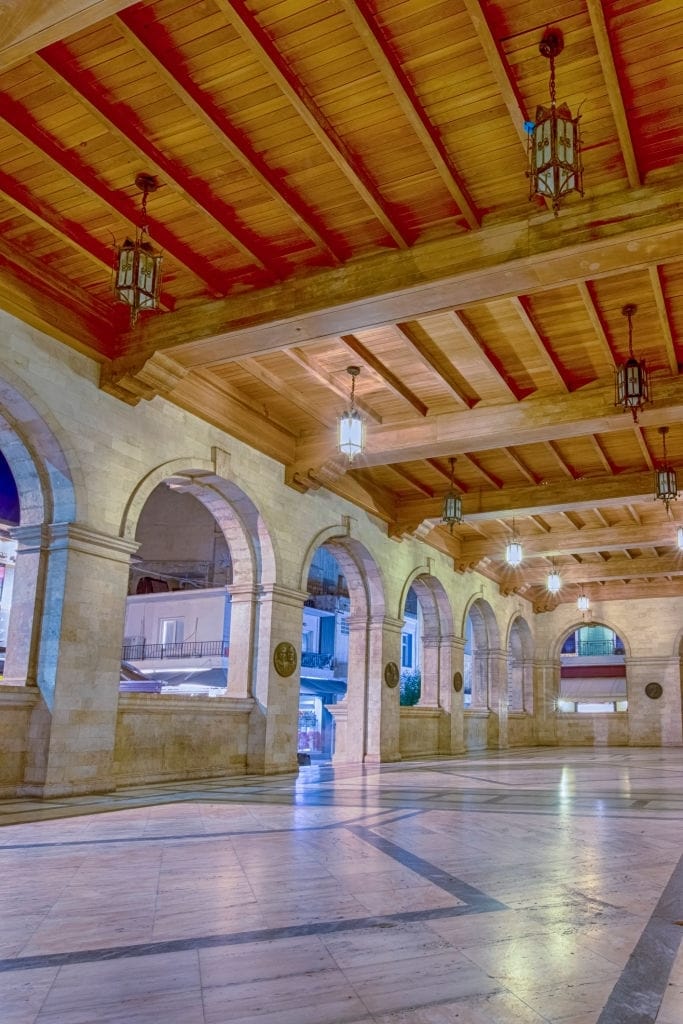
During the Turkish occupation, it was used as an armoury and suffered severe damage. It wasn’t after the Cretan State was established, in 1915, that renovations would start to take place, however, the onset of World War II in 1940 prevented any future work. In 1961, the final restoration of the monument began, which was completed shortly after 1979. In 1961, the final restoration of the monument began, which was completed shortly after 1979. Today the Loggia huisvest de Stadhuis en is bekroond als het best gerenoveerde monument van het land. Het is een van de belangrijkste monumenten in de stad van Heraklionsamen met de kerken van Sint Minas, Sint Titos, Sint Catherine en Sint Peterde Venetiaanse murende Graf van Nikos Kazantzakis and Morosini (or Lion’s) Fountain. Both the church of Sint Titos en St. Mark’s Basilica liggen op loopafstand. Op het terrein vinden vaak culturele evenementen en tentoonstellingen plaats.
 NL
NL  EN
EN  DE
DE  FR
FR  IT
IT  PL
PL