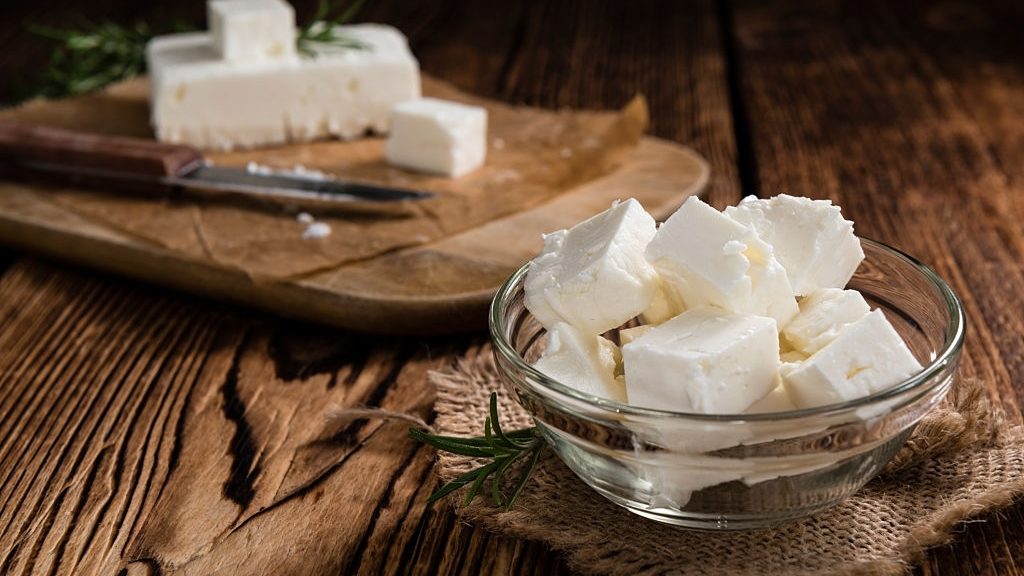
Formaggio cretese
Indice dei contenuti
Cheese is consumed in Crete at any hour of the day – from morning to midnight – as an accompaniment or as the main ingredient, as an appetizer or for dessert. At a formal gathering or the family table, no Cretan meal is complete without cheese. Cretans will take their watermelon with feta, their honeydew with graviera e consumare mizithra con il miele!
The value of cheese as a food item in ancient Greece was such that they called it a “dono degli Dei”. The first mention of milk from a wild goat or sheep being used as food comes from Mitologia greca. Zeus da bambino è stato preso dalla madre Rhea in una grotta su Monte Dikte in Crete – for fear of his murderous father, Kronos. Lì fu allevato da una capra (Amalthea) con una dieta a base di prodotti caseari.
Livestock rearing on Crete has scarcely changed since then. It relies on the smaller beasts – goat and sheep, not cows, they are free-range or stabled (at the mandra) and their foodstuffs are almost entirely wild herbs and shrubs. The traditional cheese is not only viewed as something to eat but also as a substance that bears witness in its flavor to the plants, the savory preferences and the lifestyle prevailing at its point of origin.
Anthotiros
Anthotiros è ottenuto da una miscela di siero di latte e latte fresco di pecora o di capra; si trasforma lentamente in una massa coesa, con un elevato contenuto di liquidi, circa 70%, ed è solo leggermente salato; asciugandosi (con il tempo e l'aggiunta di sale) si indurisce ancora di più. Quando è completamente asciutto ha un contenuto di grassi di almeno 65%. Quando è maturo, l'esterno sembra essere stato cosparso di cenere. La parola "cenere" (athos) può contribuire al suo nome. Un'altra possibile origine del nome potrebbe derivare da anto meaning “blossom”. It is most suitable grated onto a pasta dish, like spaghetti.
Galomizithra
Galomizithra è una forma di formaggio molto semplice; il latte viene addizionato di un agente naturale che lo fa cagliare. Viene prodotto soprattutto per il consumo domestico, essendo meno adatto al trasporto al mercato. Galomizithra ha la stessa consistenza e lo stesso sapore della mizithra locale di Chania, o formaggio acido cretese (xinomizithra): very tasty, with a gentle sourness to it – ideal for a dakos!
Graviera
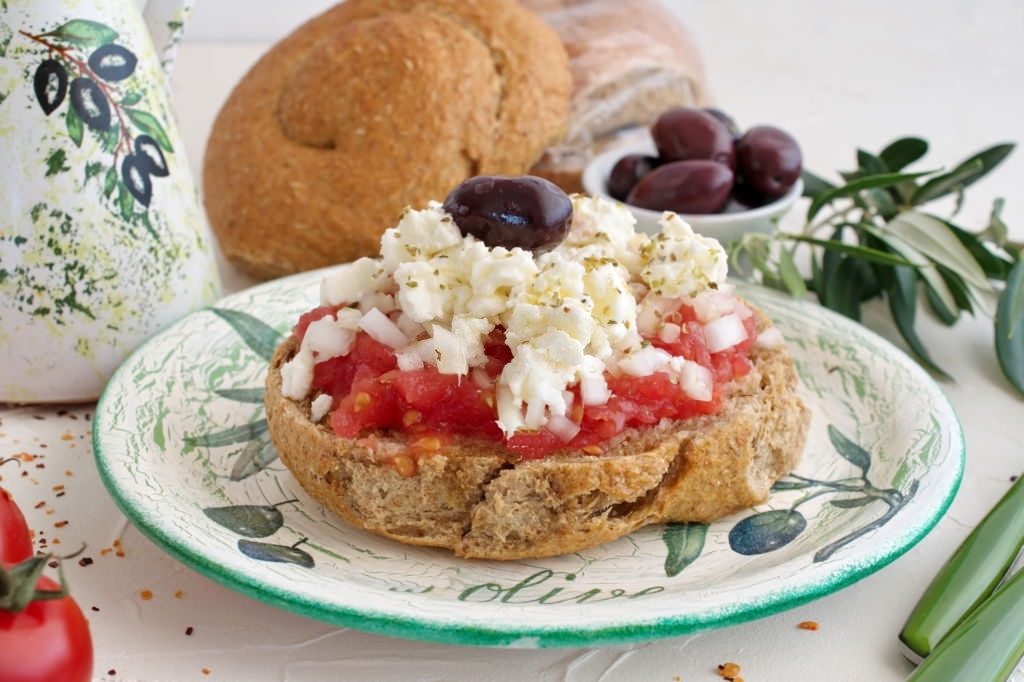
Graviera is often made from goats’ milk, yet the best quality is from sheep’s milk alone. It is rich, full of butter and milk proteins: 38% moisture, 38.4% fat and 1.5% salt. With a strong taste and slightly on the salty side, it usually resembles cheddar – to British tastes. A wheel of graviera può pesare dai 5 ai 25 chili. Può essere consumato da solo, con la frutta o il pane, cucinato in torte e altri piatti, e come saganaki (impanato e fritto).
Pichtogalo di Chania
Un formaggio semplice e di uso quotidiano Chania region: it resembles yogurt in texture and has a slightly sharp taste. It can be made from sheep’s milk or a mix of sheep and goat. When it is fresh, it has a moisture content of 65%, when dry its fat levels are 50%, protein 16-20% and salt 1%. It is best eaten by itself or cooked in pies (bougatsa a la Chania).
Cefalotiri
A solid and compact cheese, of a darker yellow colour, produced in many parts of Greece from sheep’s milk or a mix of sheep and goat. Its moisture is low at 38%, with only 40% fat and plenty of salt. The flavour is salty, strong – even piquant, and somewhat fatty. Perfect for grating onto pasta dishes.
Malaka/Soft di Chania
This is a curd, the first step in making a graviera type cheese. Malleable, well-mixed – and excellent for pies. Especially the Chania tarte – with its filling of cheeses, lamb-meat and spearmint.
Mizithra
Formaggio greco presente in molte zone del Paese, prodotto dal siero di qualsiasi altro formaggio. Il latte fresco viene aggiunto al siero e l'intero composto viene poi riscaldato in una pentola, ottenendo un formaggio morbido e fresco con una nota neutra. Fresco, è ricco di grassi e quindi va consumato con moderazione, se si è a dieta. È anche ricco di umidità, fino a 70%; anche secco contiene 50% di grassi. Se usato in pasticceria, è un ottimo ripieno per piccole torte dolci. È un ottimo compagno della frutta fresca e funziona altrettanto bene come antipasto o come dessert con un filo di miele.
Xigala da Sitia
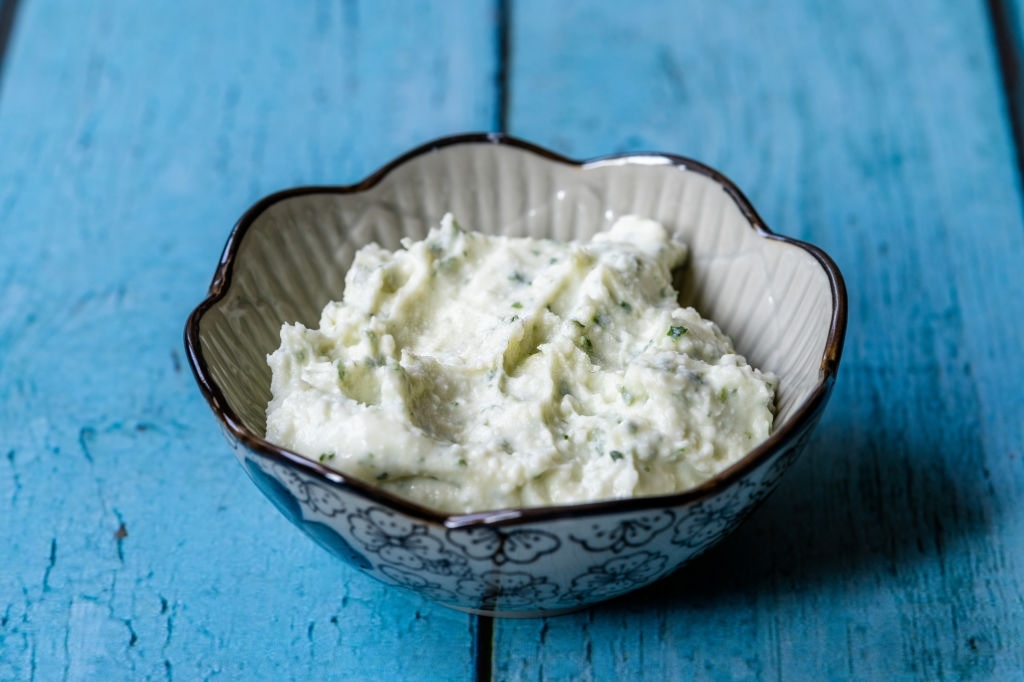
Un formaggio dalla consistenza cremosa che si trova solo in Creta orientale. Il suo sapore ricorda quello del xinomizithra e Pichtogalo Chanion: ricco, leggermente tagliente e fresco.
Xinomizithra
Xinomizithra is an exclusively Cretan product. To make, whey is mixed with fresh milk (a mix of sheep and goat) and left for 24 hours in a naturally warm environment to sour or ‘turn’. It has 50% moisture, only 23% fat, 15% protein and 2% salt. Most suitable for pies – and dieting.
Staka
Staka is somewhere between cheese and yogurt – a rather different dairy product. When freshly drawn, the top of the milk is collected and lightly salted. When enough of this layer has been collected, it is warmed over low heat for several hours – a little flour is also added which separates out the protein from the fat content. The fat is skimmed off and kept separate: this is the famed stakovoutiro e può essere trattato proprio come il burro. La massa spessa di proteine che rimane è il vero e proprio staka. Si può usare per cuocere le uova, aggiungere agli spaghetti, Pilaf cretese – or in pies.
Tirozouli
Un formaggio tradizionale di latte ovino e caprino che oggi si trova raramente sul mercato. Se volete mettere le mani su un po' di fresco tirozouliÈ meglio fare amicizia con un pastore. Tirozouli is boiled, coagulated by adding an acid/vinegar – or the juice of figs instead of rennet. It is lightly salted, or not at all, with a malleable consistency.
 IT
IT  EN
EN  DE
DE  FR
FR  NL
NL  PL
PL