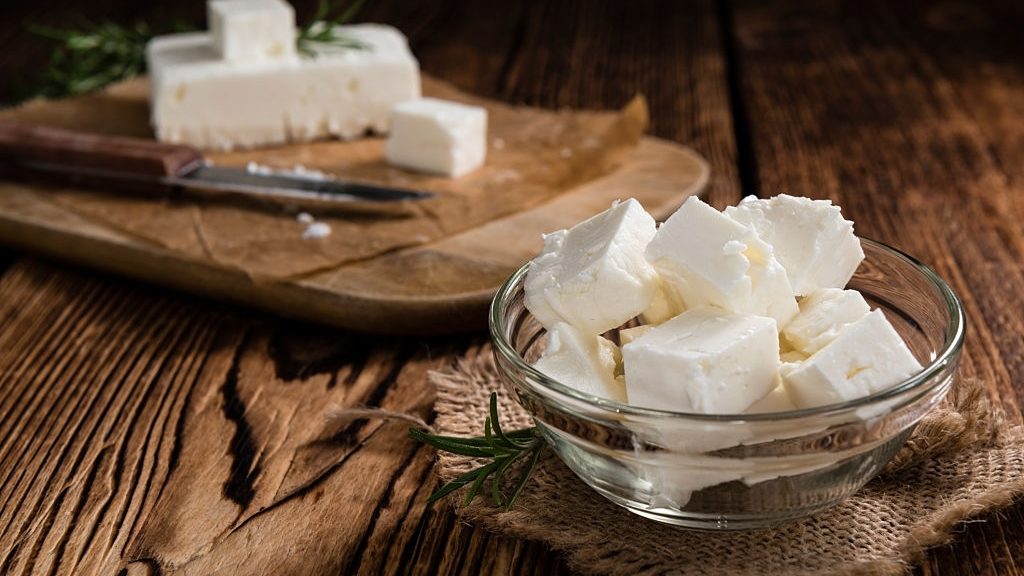
Kreteński ser
Spis treści
Cheese is consumed in Crete at any hour of the day – from morning to midnight – as an accompaniment or as the main ingredient, as an appetizer or for dessert. At a formal gathering or the family table, no Cretan meal is complete without cheese. Cretans will take their watermelon with feta, their honeydew with graviera i konsumować mizithra z miodem!
The value of cheese as a food item in ancient Greece was such that they called it a “dar od bogów”. The first mention of milk from a wild goat or sheep being used as food comes from Mitologia grecka. Zeus jako dziecko został zabrany przez matkę Rhea do jaskini na Góra Dikte in Crete – for fear of his murderous father, Kronos. Tam został wychowany przez kozę (Amalthea) na diecie mlecznej.
Livestock rearing on Crete has scarcely changed since then. It relies on the smaller beasts – goat and sheep, not cows, they are free-range or stabled (at the mandra) and their foodstuffs are almost entirely wild herbs and shrubs. The traditional cheese is not only viewed as something to eat but also as a substance that bears witness in its flavor to the plants, the savory preferences and the lifestyle prevailing at its point of origin.
Anthotiros
Anthotiros jest wytwarzany z mieszanki serwatki i świeżego mleka owczego lub koziego; powoli zamienia się w spoistą masę o wysokiej zawartości płynu około 70% i jest tylko lekko słony; w miarę wysychania (z czasem i dodatkiem soli) twardnieje jeszcze bardziej. Po całkowitym wyschnięciu zawartość tłuszczu wynosi co najmniej 65%. Gdy jest dojrzały, jego wygląd zewnętrzny przypomina popiół. Słowo oznaczające popiół (atos) może przyczynić się do jego nazwy. Inne możliwe pochodzenie nazwy może wywodzić się od antos meaning “blossom”. It is most suitable grated onto a pasta dish, like spaghetti.
Galomizithra
Galomizithra jest bardzo prostą formą sera; mleko jest doprawiane naturalnym środkiem, który je zsiada. Jest on produkowany głównie na potrzeby gospodarstw domowych, ponieważ nie nadaje się do transportu na rynek. Galomizithra ma taką samą konsystencję i smak jak lokalna Chania mizithra, czyli kreteński ser kwaśny (xinomizithra): very tasty, with a gentle sourness to it – ideal for a dakos!
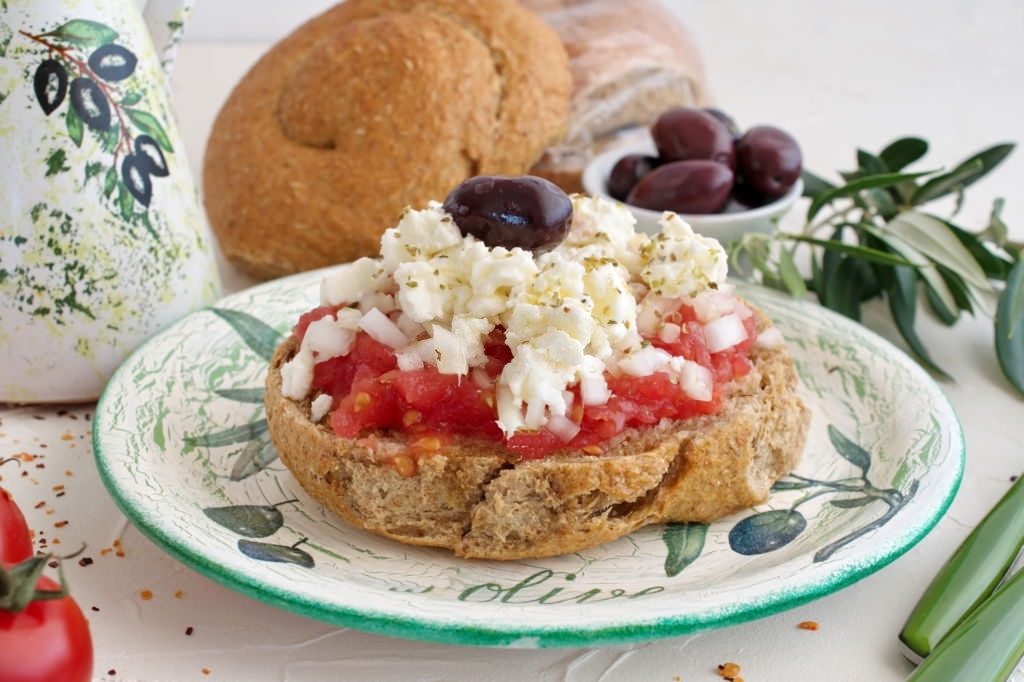
Graviera
Graviera is often made from goats’ milk, yet the best quality is from sheep’s milk alone. It is rich, full of butter and milk proteins: 38% moisture, 38.4% fat and 1.5% salt. With a strong taste and slightly on the salty side, it usually resembles cheddar – to British tastes. A wheel of graviera może ważyć od 5 do 25 kilogramów. Może być spożywany sam, z owocami lub chlebem, gotowany w ciastach i innych potrawach, a także jako saganaki (panierowane i smażone).
Pichtogalo z Chanii
Prosty, codzienny ser od Chania region: it resembles yogurt in texture and has a slightly sharp taste. It can be made from sheep’s milk or a mix of sheep and goat. When it is fresh, it has a moisture content of 65%, when dry its fat levels are 50%, protein 16-20% and salt 1%. It is best eaten by itself or cooked in pies (bougatsa a la Chania).
Kefalotiri
A solid and compact cheese, of a darker yellow colour, produced in many parts of Greece from sheep’s milk or a mix of sheep and goat. Its moisture is low at 38%, with only 40% fat and plenty of salt. The flavour is salty, strong – even piquant, and somewhat fatty. Perfect for grating onto pasta dishes.
Malaka/Soft of Chania
This is a curd, the first step in making a graviera type cheese. Malleable, well-mixed – and excellent for pies. Especially the Chania tarte – with its filling of cheeses, lamb-meat and spearmint.
Mizithra
Grecki ser występujący w wielu regionach kraju, produkowany z serwatki dowolnego innego sera. Świeże mleko jest dodawane do serwatki, a cała mieszanina jest następnie podgrzewana w garnku, tworząc miękki i świeży ser o neutralnej nucie. Świeży ser ma wysoką zawartość tłuszczu, więc powinien być spożywany z umiarem, jeśli jest na diecie. Jest również pełen wilgoci, do 70%; nawet suchy zawiera 50% tłuszczu. Używany do pieczenia, jest doskonałym nadzieniem do małych słodkich ciast. Jest doskonałym dodatkiem do świeżych owoców i sprawdza się równie dobrze jako przystawka lub deser z odrobiną miodu.
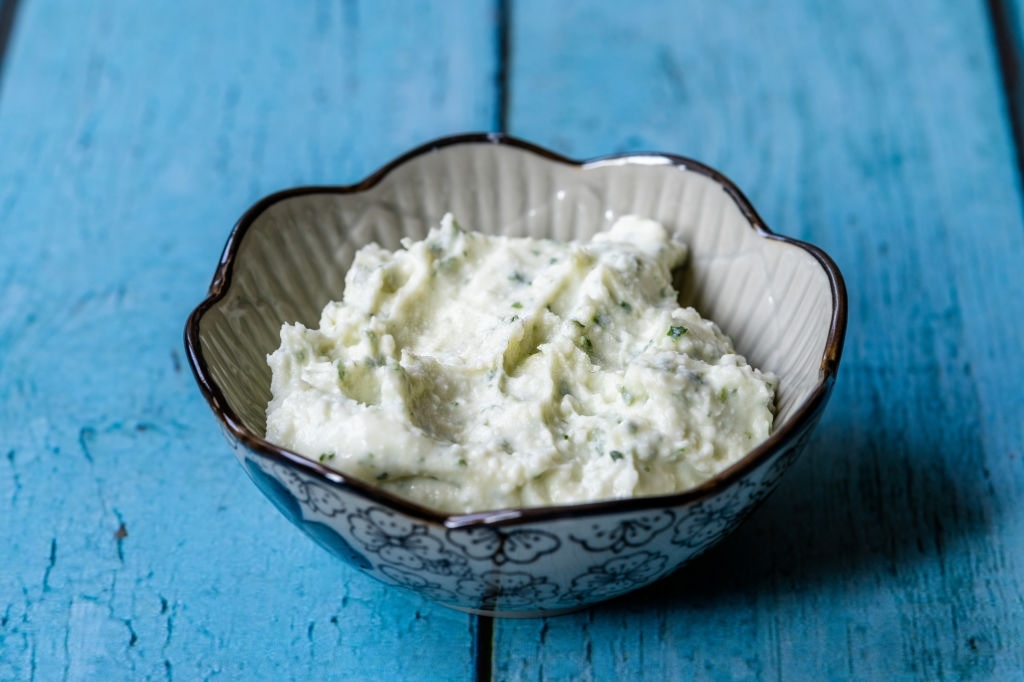
Xigala z Sitii
Ser o kremowej konsystencji dostępny tylko w Wschodnia Kreta. Jego smak przypomina smak xinomizithra oraz Pichtogalo ChanionBogaty, lekko ostry i świeży.
Xinomizithra
Xinomizithra is an exclusively Cretan product. To make, whey is mixed with fresh milk (a mix of sheep and goat) and left for 24 hours in a naturally warm environment to sour or ‘turn’. It has 50% moisture, only 23% fat, 15% protein and 2% salt. Most suitable for pies – and dieting.
Staka
Staka is somewhere between cheese and yogurt – a rather different dairy product. When freshly drawn, the top of the milk is collected and lightly salted. When enough of this layer has been collected, it is warmed over low heat for several hours – a little flour is also added which separates out the protein from the fat content. The fat is skimmed off and kept separate: this is the famed stakovoutiro i może być traktowane jak masło. Gęsta masa białka, która pozostaje, jest właściwa staka. Można go używać do gotowania jajek, dodawania do spaghetti, Kreteński pilaw – or in pies.
Tirozouli
Tradycyjny ser z mleka owczego i koziego, który jest obecnie rzadko spotykany na rynku. Jeśli chcesz dostać w swoje ręce trochę świeżego tirozoulinajlepiej zaprzyjaźnić się z pasterzem. Tirozouli is boiled, coagulated by adding an acid/vinegar – or the juice of figs instead of rennet. It is lightly salted, or not at all, with a malleable consistency.
 PL
PL  EN
EN  DE
DE  FR
FR  IT
IT  NL
NL