Fromage crétois
Table des matières
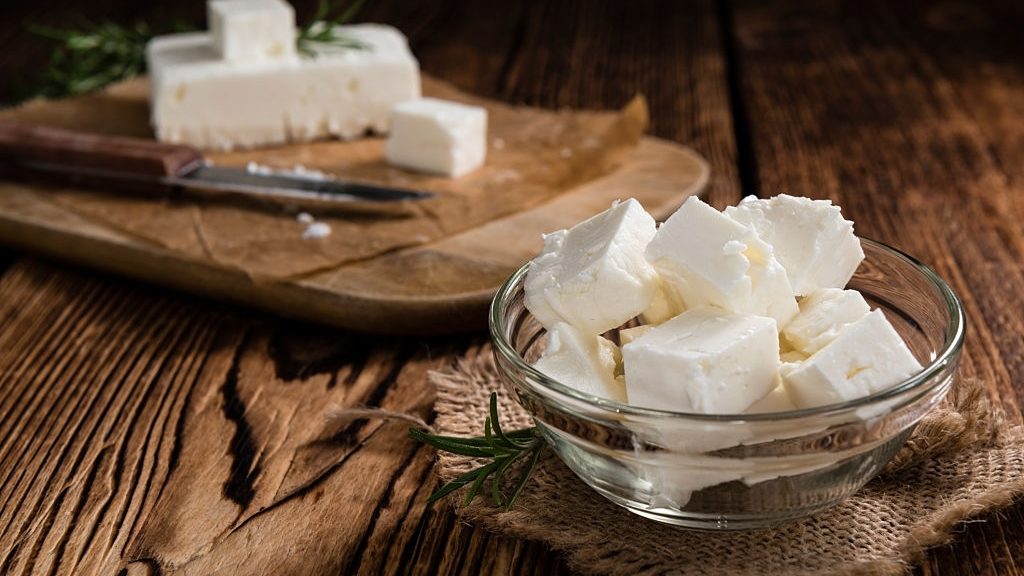
Cheese is consumed in Crete at any hour of the day – from morning to midnight – as an accompaniment or as the main ingredient, as an appetizer or for dessert. At a formal gathering or the family table, no Cretan meal is complete without cheese. Cretans will take their watermelon with feta, their honeydew with graviera et consommer mizithra avec du miel !
The value of cheese as a food item in ancient Greece was such that they called it a “cadeau des dieux”. The first mention of milk from a wild goat or sheep being used as food comes from La mythologie grecque. Zeus comme un bébé a été pris par sa mère Rhea à une grotte sur Le Mont Dikte in Crete – for fear of his murderous father, Kronos. Là, il a été élevé par une chèvre (Amalthea) sur un régime de produits laitiers.
Livestock rearing on Crete has scarcely changed since then. It relies on the smaller beasts – goat and sheep, not cows, they are free-range or stabled (at the mandra) and their foodstuffs are almost entirely wild herbs and shrubs. The traditional cheese is not only viewed as something to eat but also as a substance that bears witness in its flavor to the plants, the savory preferences and the lifestyle prevailing at its point of origin.
Anthotiros
Anthotiros est fabriqué à partir d'un mélange de lactosérum et de lait frais de brebis ou de chèvre ; il se transforme lentement en une masse cohésive, avec un contenu liquide élevé d'environ 70%, et n'est que légèrement salé ; en séchant (avec le temps et l'ajout de sel), il durcit encore plus. Lorsqu'il est complètement sec, sa teneur en graisse est d'au moins 65%. Lorsqu'il est mûr, son aspect extérieur donne l'impression qu'on lui a jeté de la cendre. Le mot pour cendre (athos) peuvent contribuer à son nom. Une autre origine possible du nom peut dériver de anthos meaning “blossom”. It is most suitable grated onto a pasta dish, like spaghetti.
Galomizithra
Galomizithra est une forme très simple de fromage ; le lait est piqué par un agent naturel qui le fait cailler. Il est produit principalement pour la consommation des ménages, étant moins adapté au transport vers le marché. Galomizithra a la même texture et le même goût que la mizithra locale de Chania, ou fromage aigre crétois (xinomizithra): very tasty, with a gentle sourness to it – ideal for a dakos!
Graviera
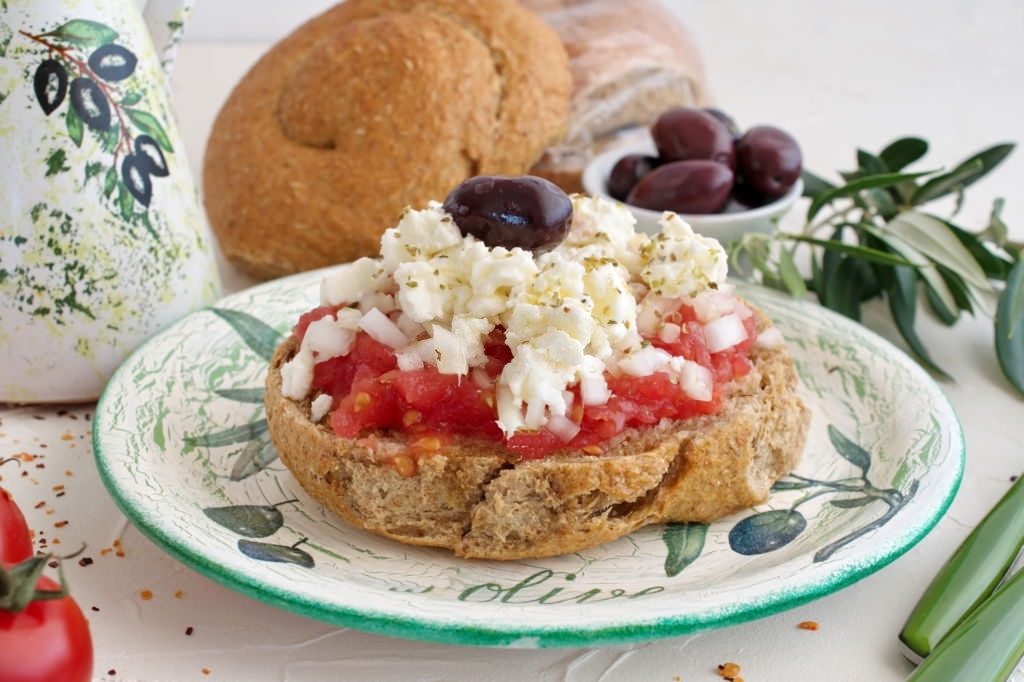
Graviera is often made from goats’ milk, yet the best quality is from sheep’s milk alone. It is rich, full of butter and milk proteins: 38% moisture, 38.4% fat and 1.5% salt. With a strong taste and slightly on the salty side, it usually resembles cheddar – to British tastes. A wheel of graviera peut peser entre 5 et 25 kilos. Il peut être mangé tout seul, avec des fruits ou du pain, cuit dans des tartes et d'autres plats, et en tant que saganaki (panés et frits).
Pichtogalo de Chania
Un fromage simple et quotidien de la La Canée region: it resembles yogurt in texture and has a slightly sharp taste. It can be made from sheep’s milk or a mix of sheep and goat. When it is fresh, it has a moisture content of 65%, when dry its fat levels are 50%, protein 16-20% and salt 1%. It is best eaten by itself or cooked in pies (bougatsa à la Chania).
Kefalotiri
A solid and compact cheese, of a darker yellow colour, produced in many parts of Greece from sheep’s milk or a mix of sheep and goat. Its moisture is low at 38%, with only 40% fat and plenty of salt. The flavour is salty, strong – even piquant, and somewhat fatty. Perfect for grating onto pasta dishes.
Malaka/Soft de Chania
This is a curd, the first step in making a graviera type cheese. Malleable, well-mixed – and excellent for pies. Especially the Tarte de Chania – with its filling of cheeses, lamb-meat and spearmint.
Mizithra
Un fromage grec que l'on trouve dans de nombreuses régions du pays, produit à partir du petit-lait de tout autre fromage. Du lait frais est ajouté au petit-lait et le tout est ensuite réchauffé dans une marmite, ce qui donne un fromage doux et frais à la note neutre. Frais, il est riche en matières grasses et doit donc être consommé avec modération, en cas de régime. Il est également plein d'humidité, jusqu'à 70% ; même sec, il contient 50% de matières grasses. Utilisé en pâtisserie, il constitue une excellente garniture pour les petites tartes sucrées. Il est un excellent compagnon des fruits frais et fonctionne aussi bien en entrée qu'en dessert avec un filet de miel.
Xigala de Sitia
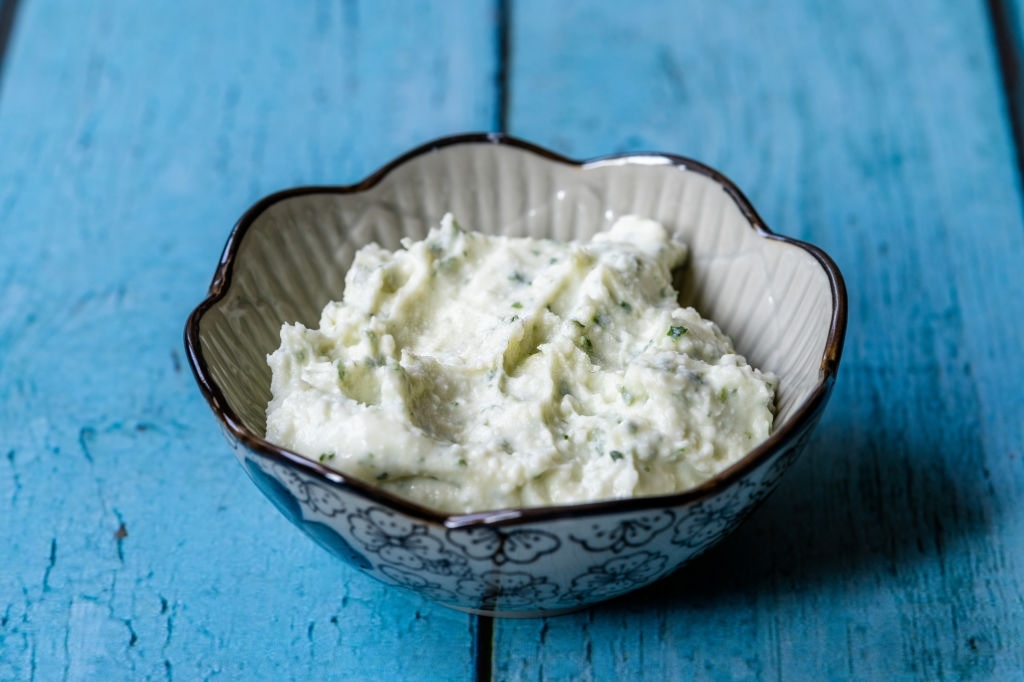
Un fromage à la texture crémeuse que l'on ne trouve que dans Crète orientale. Son goût ressemble à celui du xinomizithra et Pichtogalo Chanion: riche, légèrement piquant et frais.
Xinomizithra
Xinomizithra is an exclusively Cretan product. To make, whey is mixed with fresh milk (a mix of sheep and goat) and left for 24 hours in a naturally warm environment to sour or ‘turn’. It has 50% moisture, only 23% fat, 15% protein and 2% salt. Most suitable for pies – and dieting.
Staka
Staka is somewhere between cheese and yogurt – a rather different dairy product. When freshly drawn, the top of the milk is collected and lightly salted. When enough of this layer has been collected, it is warmed over low heat for several hours – a little flour is also added which separates out the protein from the fat content. The fat is skimmed off and kept separate: this is the famed stakovoutiro et peut être traité comme du beurre. La masse épaisse de protéines qui reste est la bonne... staka. Vous pouvez l'utiliser pour cuire des œufs, l'ajouter sur des spaghettis, Pilaf crétois – or in pies.
Tirozouli
Un fromage traditionnel au lait de brebis et de chèvre que l'on trouve rarement sur le marché de nos jours. Si vous voulez mettre la main sur un fromage frais, il faut le faire. tirozouliil est préférable de se lier d'amitié avec un berger. Tirozouli is boiled, coagulated by adding an acid/vinegar – or the juice of figs instead of rennet. It is lightly salted, or not at all, with a malleable consistency.
 FR
FR  EN
EN  DE
DE  IT
IT  NL
NL  PL
PL