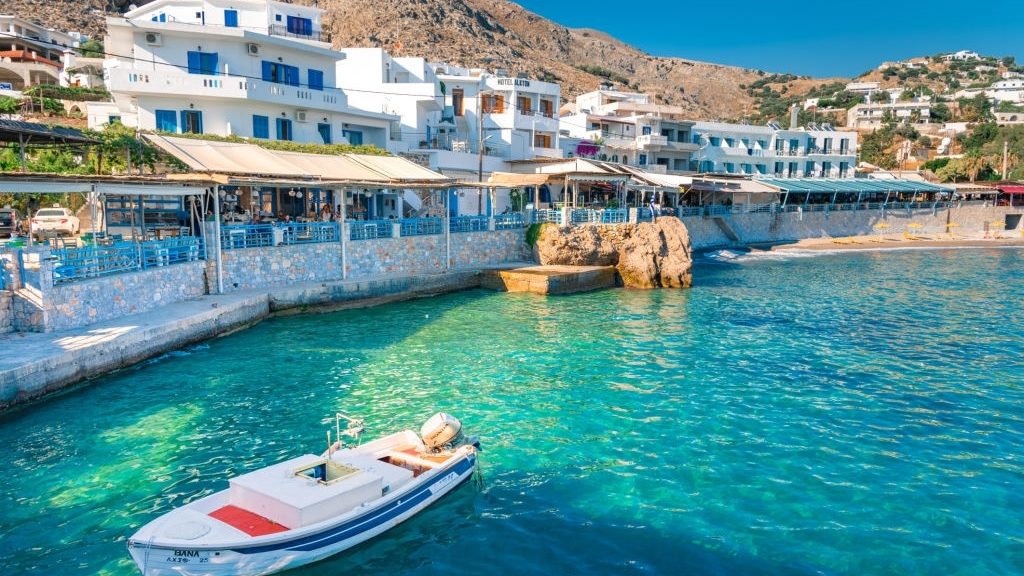
Kreteńska architektura
Architektura wyspa Kreta has been closely tied to the natural physical landscape – not just with respect to the materials employed but also the forms and types of the structures.
Wśród tradycyjnych form architektonicznych odnajdujemy również elementy minojskiej praktyki, które przetrwały upływ wieków i są widoczne do dziś.
Tradycyjne kreteńskie wioski
A typical feature in the landscape of Crete is its villages. In essence, their architecture has remained unchanged through the years. Here we see the use of local materials – stone, wood, and mud, especially in villages that were built on hills and mountainsides. The settlements are usually built like an amphitheater on the side or top of a small hill, clustered together tightly. One of the reasons for this is that it was a better defence strategy against enemy attacks. The settlements are characterized by their narrow streets and the fact that the houses are packed on top of each other which contributed to the communal living style as well. At the same time, other elements like stairs, pergolas, chimneys and so on, break up the uniformity in appearance – creating a notable whole. The most prominent point in a village is usually the church, while the square or market is also a center of social life – the ‘sell-everything’ shop, the kafenion i inne sklepy komercyjne skupione wokół niego. Nawet teraz odwiedzający mogą spodziewać się kafeneion and “mini-market” in the center of every village facing the square.
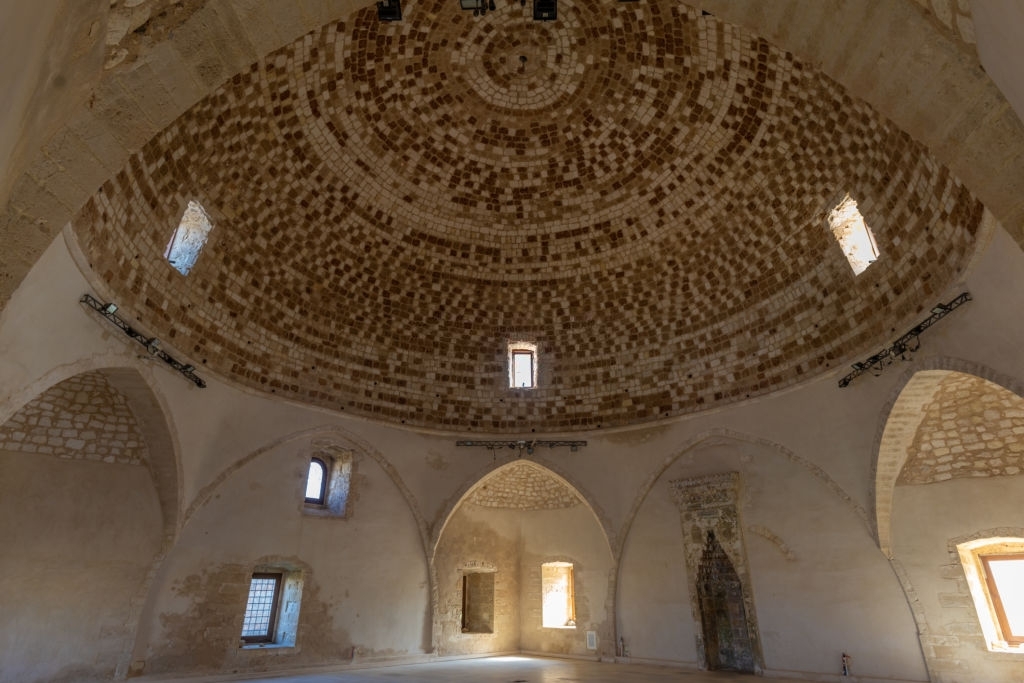
Po II WOJNA ŚWIATOWAwygląd wielu wsi zaczął się zmieniać. W wielu przypadkach musiały one zostać odbudowane po katastrofach, które dotknęły je podczas okupacji, a jednocześnie zmieniły się potrzeby ludzi i istota życia na wsi. W ten sposób zwykły kreteński dom wiejski nabrał kolorów, jest bardziej zorientowany na zewnątrz i odszedł od tradycyjnej normy. Większość wiosek zaczęła teraz przywracać wszystkie te elementy, które zostały utracone w uciskanej epoce pańszczyzny. Chociaż bardziej znaczące i zamożne wsie zmieniły się, a tym samym utraciły swój tradycyjny charakter, istnieje dziś wiele wsi, których podstawowa struktura pozostała niezmieniona. W tych dzielnicach tradycyjnych domów z zewnętrznymi podwórkami i kwiatami w doniczkach, brukowanymi ulicami, łukami i bielonymi ścianami, znajdujemy przebłysk esencji Kreta w poprzednich stuleciach.
 PL
PL  EN
EN  DE
DE  FR
FR  IT
IT  NL
NL