Mity Krety
Spis treści
Wiele z najbardziej znanych mitów greckich rozgrywa się na wyspie Kreta. At its peak, the Minoan civilization (2000 – 1450 BC), and together, the wyspa Kretabyło dominującą siłą we wschodniej części Morza Śródziemnego. Utrzymywała kontrolę nad morzami w regionie, dzięki czemu udało jej się rozprzestrzenić i wywierać wpływ na różne regiony wokół Morza Śródziemnego. Uważa się, że niektóre z tych mitów i tożsamości z wczesnej religii minojskiej trafiły później do greckiego panteonu, a mianowicie Bogowie Olimpu. Najstarsza historia dotyczy narodzin Zeus, Ojciec Bogów i mężczyzn.
Narodziny Zeusa
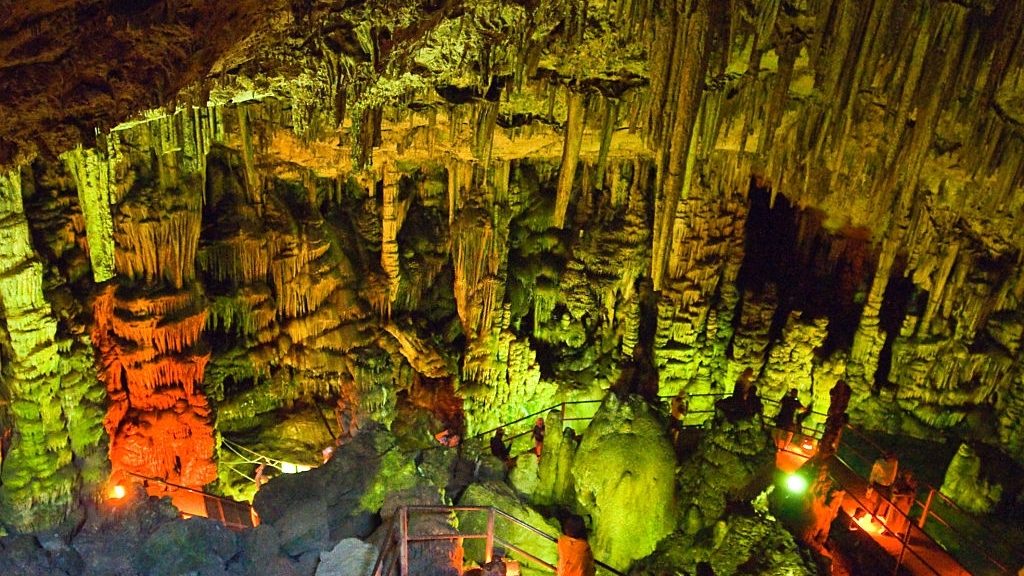
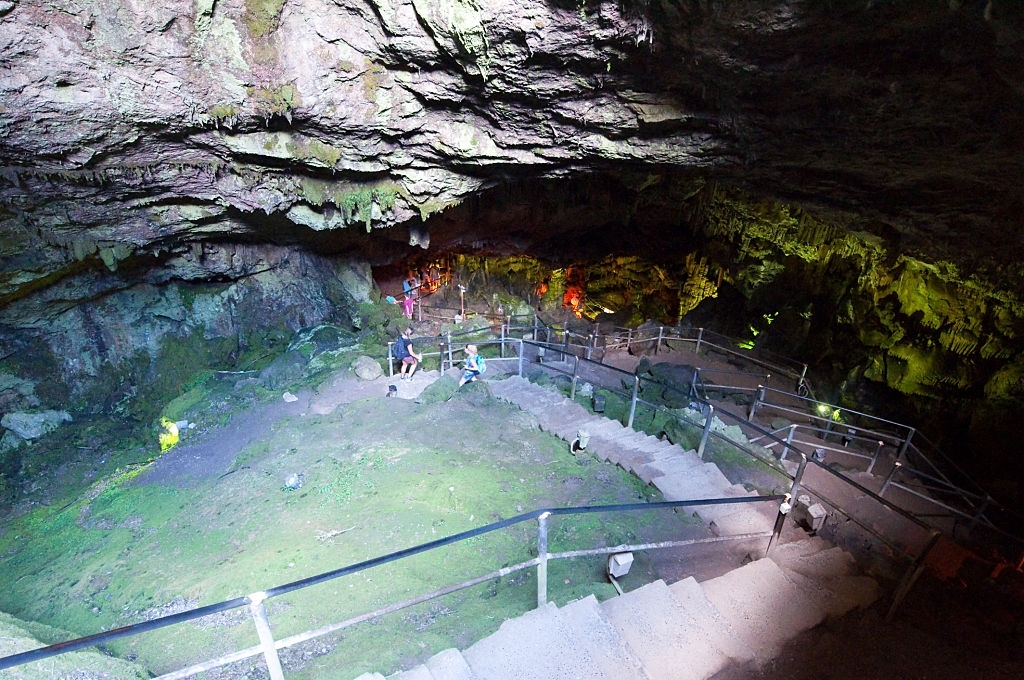
Narodziny Zeusa to jeden z najbardziej znanych mitów, którego akcja rozgrywa się na Krecie. Według opowieści, Kronos (son of Ouranos – Sky – and Gaia – Earth) married his sister Rhea and brought many children into the world. But Kronos, scared by a prophecy that he would lose his throne to one of his children, swallowed all the newborns – in an attempt to avoid Fate. Rhea, at this point pregnant with Zeus, could not stand to watch more of her children being consumed and managed to escape to the island of Crete where she could give birth in secret. This is how Zeus was born in a cave in the góry Krety. Do dziś dokładna lokalizacja jest kwestionowana, a niektórzy wskazują na Psychro na górze Dictipodczas gdy inni do Jaskinia Idaion na górze Ida.
Zadanie ochrony i opieki nad niemowlęciem spadło na Idaian Dactuloiw Kourites i kozę-nimfę Amaltheę, a także trzy inne nimfy i różne inne stworzenia. Historia głosi, że Kouretes wykonali swój wojenny taniec, zderzając miecze z tarczami i tupiąc w ziemię tak mocno, jak tylko mogli, aby ukryć płacz niemowlęcia Zeus. It is not certain whether Amalthea was a goat or nymph, but she provided the necessary nourishment for the baby boy to grow. They also positioned his cradle so that it hung from a tree, so that it didn’t touch the earth, sky or sea and could avoid the watchful eye of Kronos who ruled all three. Meanwhile, Rhea returned to Kronos i podarowali mu kamień w powijakach, który Kronos połknął, wierząc, że to niemowlę. Zeus. Później, Zeus zemścił się na ojcu i zdołał uwolnić swoje rodzeństwo, Hestia, Demeter, Hera, Hadesoraz Posejdon.
Zeus, Europa i narodziny Minosa
Ten mit Zeus oraz Europa carries historical significance – reflecting Crete’s connections with the East. In a way, it seeks to explain how Crete, with its prehistoric ties to Asia Minor, Syria, the Levant (Phoenicia) and Egypt also acquired a European dimension. According to the myth, Zeus fell in love with Europa, the daughter of the Król Fenicji. Oszalały z pożądania Zeus chciał uwieść dziewczynę, by móc ją sobie przywłaszczyć. Aby zrealizować swój plan, zmienił się w przystojnego białego byka i ustawił się obok miejsca, gdzie Europa bawił się w pobliżu plaży. Ufając bykowi, Europa wkrótce przyszła i usiadła na jego grzbiecie, Zeus zatonął natychmiast w falach i popłynął na Kretę. Europa stała się pierwszą królową Krety, a ich związek został skonsumowany w cieniu platana na plaży. Gortyn. Europa i Zeus mieli trzech synów, Minoas (Minos), Rhadymanthys oraz Sarpedon. Później Europa poślubiła Asterios i wspólnie wychowywali wszystkie swoje dzieci.
Minos, władza królewska na Krecie i narodziny Minotaura
Minos może być równie dobrze traktowany jako honorowy tytuł nadawany królowi Knossosi ostatecznie wszystkie Kreta – similar to how Pharaoh is used in Egypt. The name Minos symbolized strong leadership and divinely-inspired law and order. After the death of Asterios, Minos, the son of Zeus and Europa, wished to succeed him on the throne. Meeting objections from the Cretans, he asked the god Poseidon, his uncle, for a sign of divine intervention, so that everyone could see that he had the support of the Gods. Posejdon sent a beautiful white bull from the sea – expecting Minos to sacrifice the creature after ascending to the throne as a way of acknowledging the help. However, Minos was bewitched by the beauty of the beast and did not want to lose it, thus he kept it at Knossos. Poseidon, now angered, sought revenge; he made Minos’ wife, Pasiphae, fall madly in love with the bull. At the queen’s command, Daedalus, the master craftsman of the palace, made a hollow wooden replica of a cow – and told the queen to place herself inside. The bull was deceived and mated with the wooden cow. Nine months later Pasiphae urodziła potwora, człowieka z głową byka. Słynny Minotaur mieszkał w labiryncie zbudowanym przez Dedala.
Minotaur
Mit ten obraca się wokół opłaty nałożonej jako kara przez Król Minos na Ateny by which 14 young men and women became prey to the Minotaur. Some accounts say this happened every year, while according to others the practice reflected certain lunar phases and took place every 7 or 9 years. The myth reflects on both the Minoan ‘sport’ of bull-leaping and the influence Knossos wielded in southern Greece. This is also arguably the most famous of all the myths associated with ancient Crete. The story begins when a son of Minos, Androgeos, went to Athens to compete in a tournament. A fine athlete, he won first place in all the events – inciting the jealousy of Król Aten Aegeusz. Zaślepiony wściekłością rozkazał swoim ludziom zastawić zasadzkę Androgeos na drodze do Megara – where he was slain.
Once Minos heard of his son’s death, he attacked Athens and imposed his harsh terms of surrender that required 7 young men and 7 young women to be chosen by the Athenians and sent to Crete as a sacrifice to keep the rest of Athens safe. The young men and women were thrown into the Labyrinth – a huge structure with spiraling and interconnecting paths built by Daedalus, under the Palace itself. This vast and intricate labyrinth was built in such a way, that once inside no-one could escape. Worst of all, at the center lurked the Minotaur – hungry for flesh!
Tezeusz i śmierć Minotaura
Ateny sumiennie płaciły daninę przez wiele lat, aż do dnia, w którym Tezeuszsyn AegeusTezeusz zgłosił się na ochotnika, by zająć miejsce jednego z siedmiu młodzieńców. Tezeusz chciał uwolnić Ateńczyków od tej upokarzającej kary i zgładzić Minotaur. Jak tylko Tezeusz Po zejściu na ląd spotkał Ariadnę, córkę Minosa, która zakochała się w nim. Zachwycona i pragnąca pomóc Ariadna zwróciła się do Dedal for help – who once again found a solution and devised a plan to enable the Athenians to escape. The plan was very simple; on entering the Labirynt, Tezeusz Zabierał ze sobą motek nici, przywiązywał go do drzwi i rozwijał, gdy przechodził krętymi korytarzami, aby zaznaczyć swoją drogę. Tezeusz Zrobił to, co mu polecono; poruszał się po labiryncie, udało mu się zabić Minotaura i uciekł, przewijając nić i wracając do wyjścia.
Dedal i Ikar
If the Labyrinth symbolizes the Palace of Knossos and all its architectural complexity, then its creator – Daedalus, the wise engineer and craftsman – characterizes the amazing technical feats the Minoans achieved. Of course, it wasn’t long until Minos discovered the role that Daedalus had played in the escape of Theseus and gave orders for him and his son Icarus to be thrown into the Labyrinth. Father and son were imprisoned and condemned to a slow death. This is when the two devised a plan to escape using a pair of wings fashioned from bird-feathers, that they fastened to their shoulders using wax. Their plan was a success but Icarus disregarded his father’s instructions and flew too close to the sun. The wax melted, the wings dropped off and Icarus plunged to his death, in the cold waters of the Aegean Sea, near present-day Ikaria. According to another story, Icarus dropped from the sky near Sicily, where his father, overwhelmed by grief, lived out his days. The expression “don’t fly too close to the sun” is a reference to the story of Daedalus and Icarus and a warning against being overly overconfident.
 PL
PL  EN
EN  DE
DE  FR
FR  IT
IT  NL
NL